  1. Home
  2. Computing
  3. News

SpaceX quietly whispers the risk of its ambitious AI data centers in space

SpaceX is preparing the biggest IPO in history, but its own filing is full of "we're not sure this works" warnings.

Add as a preferred source on Google
City, Architecture, Building
Unsplash

Elon Musk has been talking up SpaceX’s space-based AI ambitions like they are a done deal. At the World Economic Forum in January, he called building AI data centers in space “a no-brainer,” and in February, after announcing a merger between SpaceX and his AI firm xAI, he declared that the only way to scale is to build AI infrastructure in space.

He even launched a new TeraFab chip factory to build the chipsets that can handle high-ion energy and radiation, allowing the machinery to work in space. But here is the thing. SpaceX’s own IPO filing tells a very different story.

Is SpaceX’s space AI dream more dream than reality?

According to a Reuters report, SpaceX’s S-1 filing, the document companies are required to submit before going public, quietly warns investors that its plans for orbital AI data centers and human settlements on the moon and Mars “involve significant technical complexity and unproven technologies, and may not achieve commercial viability.”

The filing also notes that any space-based AI infrastructure would operate “in the harsh and unpredictable environment of space,” exposing them to risks that could cause them to “malfunction or fail.” 

Recommended Videos

This is not exactly the confident pitch you would expect from a company targeting a $1.75 trillion valuation. Since Tesla has been unable to deliver the Tesla Roadster it announced a decade ago, we can all agree that we should take anything Elon Musk promises with a good degree of skepticism.

What about Starship?

The second pillar of SpaceX’s growth strategy depends on Starship, its next-generation reusable rocket. The filing acknowledges that any “failure or delay in the development of Starship” would directly impact SpaceX’s ability to execute on its big plans. 
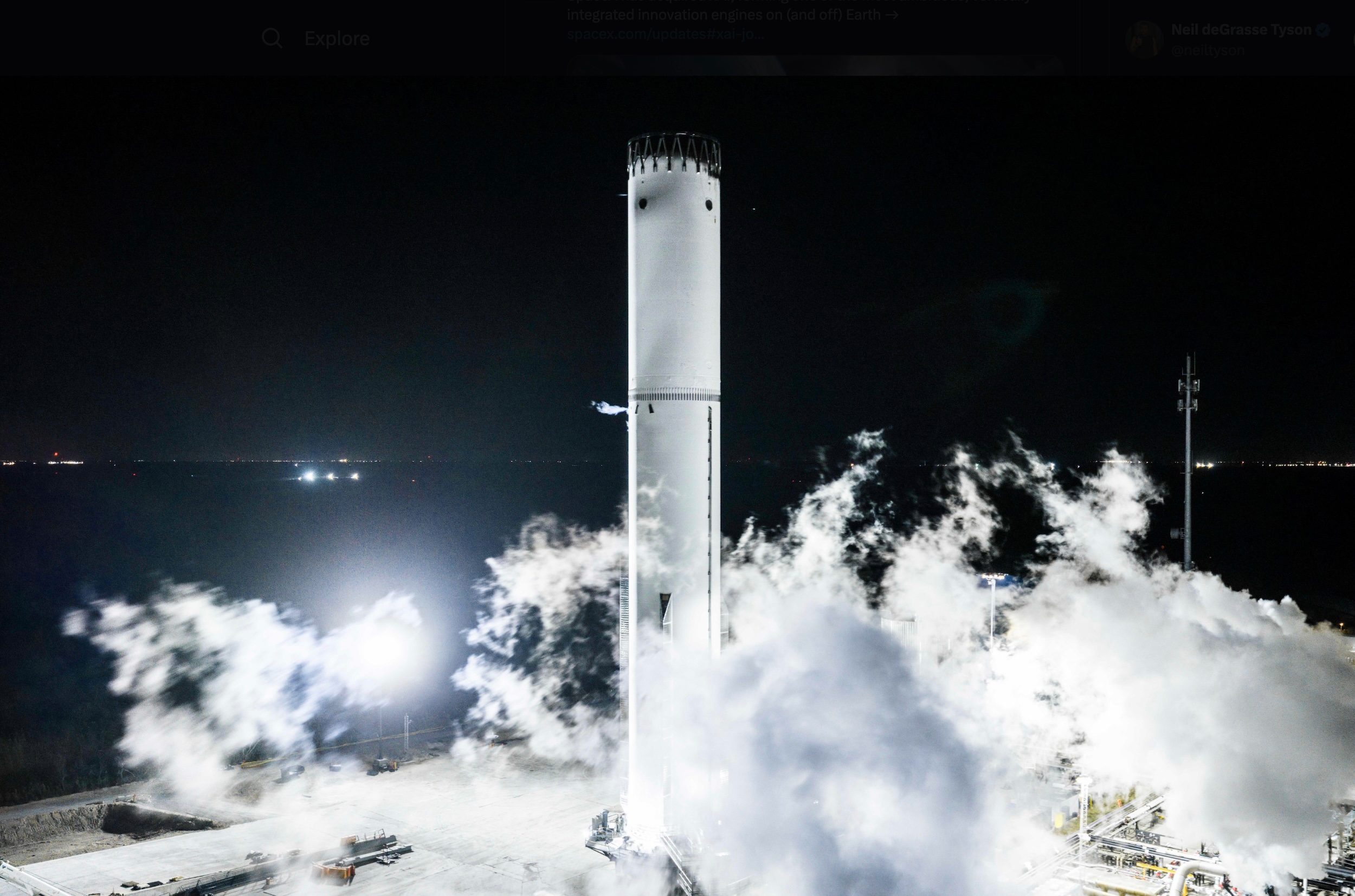
Starship has already faced several delays and testing failures, so that is not a small caveat. To be fair, risk disclosures are a legal requirement in IPO filings. Companies have to list every possible thing that could go wrong. 

But the next-generation technologies SpaceX is exploring, and that Elon Musk is using as talking points to hype the upcoming IPO, it is striking how cautious the fine print sounds compared to his public enthusiasm.


Rachit Agarwal
Rachit is a seasoned tech journalist with over seven years of experience covering the consumer technology landscape.
Workspace Intelligence turns Gemini into an all-knowing do-it-all AI agent for your work
Workspace Intelligence for Gemini

A few weeks ago, Google announced a new feature called Personal Intelligence. Broadly, the idea is to let Gemini access the content saved in your Gmail inbox and Photos library. The next time you ask the AI about travel plans, projects, or anything relevant, it will seamlessly reference your stored information to offer helpful responses, without asking you for any context. 

It just knows you. 

Read more
Gemini can now create documents, slides, meetings and more in chat
Google brings Gemini into chat to turn conversations into workflows
Google Gemini Workspace Intelligence

Google is expanding the role of its Gemini AI assistant by integrating it directly into Google Chat, allowing users to create documents, slides, and manage tasks without leaving conversations. The update introduces a new feature called “Ask Gemini in Chat,” positioning Chat as a central hub not just for communication, but for getting work done.

With this integration, users can type a request in natural language, and Gemini will handle the task in the background. This includes generating Google Docs, building presentations, scheduling meetings, and retrieving files based on simple descriptions. The goal is to reduce the need to switch between apps within the Workspace ecosystem.

Read more
ChatGPT lawsuit claims it advised a shooter on how and where to strike
openai-chatgpt

Florida's attorney general has launched a criminal investigation into OpenAI, alleging that ChatGPT helped plan the mass shooting at Florida State University that killed two people last year.

According to The Washington Post, Attorney General James Uthmeier made the announcement at a news conference on Tuesday, claiming the chatbot gave tactical advice to the suspected shooter. "The chatbot advised the shooter on what type of gun to use, on which ammo went with which gun, on whether or not a gun would be useful at short range," Uthmeier said. 

Read more