  1. Home
  2. Emerging Tech
  3. News

This tiny brain implant could treat depression at home

A tiny brain implant and a baseball cap might be the future of treating depression.

Add as a preferred source on Google
Motif brain implant with cap
Motif

Nearly 3 million Americans suffer from treatment-resistant depression, meaning antidepressants simply don’t work for them. Motif Neurotech wants to change that with a tiny brain implant, and the FDA has just greenlighted a human trial to test it.

As reported by Wired, the Houston-based startup has developed a tiny device that sits in the skull, just above the brain’s protective membrane. It targets the part of the brain responsible for high-level thinking that tends to go quiet in people with major depressive disorder. The implant delivers precise electrical pulses to wake that network back up.

Recommended Videos

The best part? The whole procedure takes only 20 minutes and doesn’t require traditional brain surgery.

So how does this actually work?

Once implanted, the device is powered wirelessly. Patients charge and control it using a baseball cap that sends stimulation data directly to the implant. You wear the cap for 10 to 20 minutes, several times a day, and that’s your treatment.
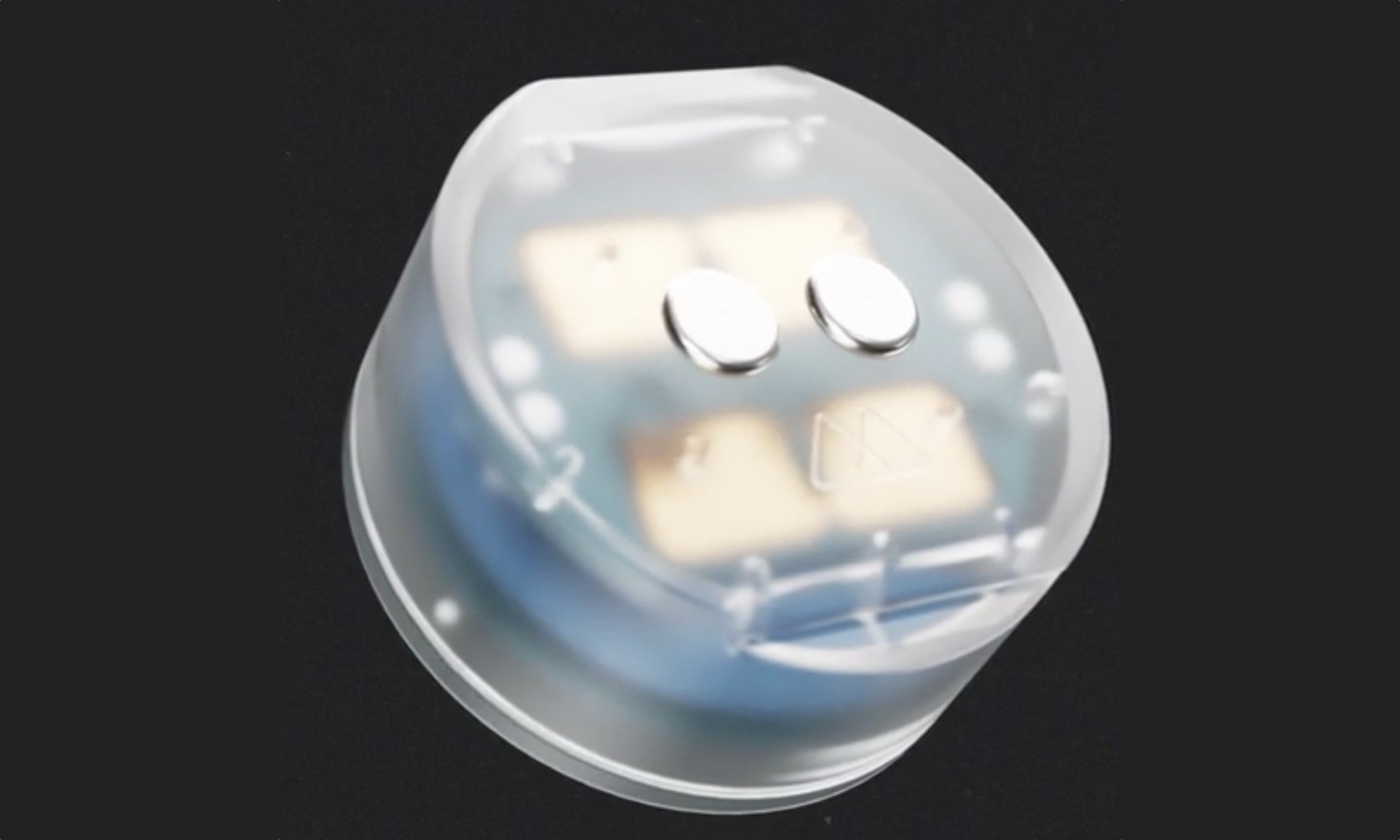
Jacob Robinson, Motif’s cofounder and CEO, says patients could start seeing results within the first 10 days. After that, the cap becomes a maintenance tool rather than a daily ritual.

Is electrical stimulation for the brain anything new?

Not really. Electroconvulsive therapy has been around since the 1930s, and transcranial magnetic stimulation has been FDA-approved since 2008. But existing treatments are either too intense or too time-consuming, often requiring multiple weekly sessions at a clinic for six weeks.
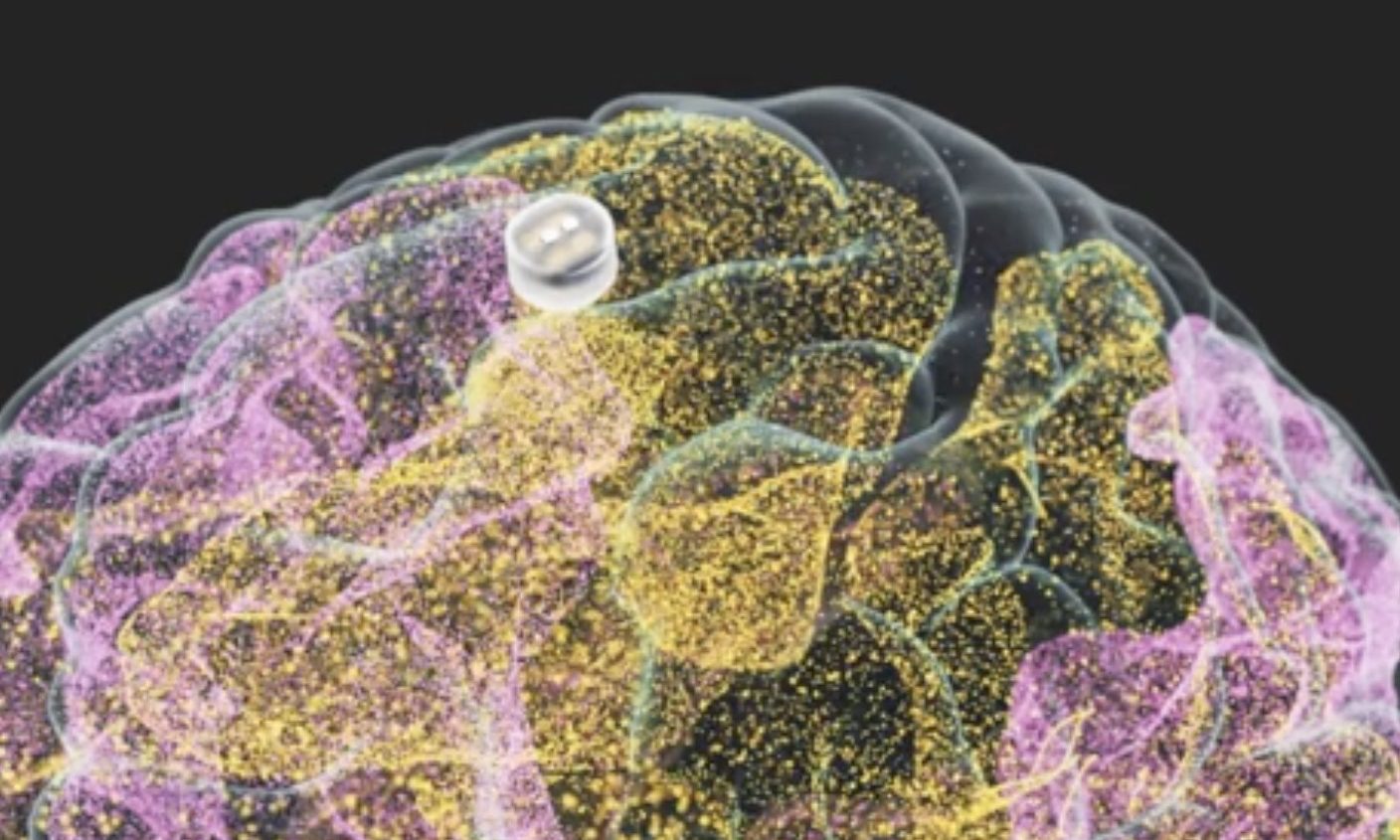
The current trial will enroll around 10 participants and run over 12 months, primarily to confirm the implant’s safety. Researchers will also track changes in depression symptoms, anxiety, and quality of life throughout.

Future versions of the device are planned to monitor brain activity over time, opening the door to truly personalized treatment. I hope the company succeeds at its ventures and ushers in a new era of depression treatment.

Rachit Agarwal
Rachit is a seasoned tech journalist with over ten years of experience covering the consumer technology landscape.
Starlink Mini may finally cut the cord with a battery-powered dish
SpaceX is fixing the biggest portable problem with Starlink
A Starlink dish.

Starlink Mini is already the version of SpaceX’s internet dish built for on-the-go connectivity. It has found its fans in travelers, campers, vanlifers, and others who live off the grid. But new firmware clues suggest SpaceX may be getting ready to make it even more portable by putting the battery inside the dish itself.

According to a PCMag report, university researcher Jinwei Zhao spotted new Starlink firmware strings that point toward a possible Starlink Mini model with an integrated battery. The key clue is a new DishBatteryStats reference, which appears designed to return battery-specific information rather than simply detect that the dish is plugged into some random external power bank.

Read more
China will put a unique ID code on humanoid robots, just like citizen ID for us humans
China is treating its humanoid robots like citizens. assigning each one a unique ID code from birth to recycling.
Robot with four arms

China has launched a national programme that will assign every humanoid robot manufactured in the country a unique digital identity code, effectively a citizen ID, but for bipedal machines (those that can balance and walk/run on two legs). 

The initiative, called the Humanoid Full Lifecycle Management Service Platform, was announced on Friday. It is led by the Humanoid Robotics and Embodied Intelligence Standardization committee, which is under China's Ministry of Industry and Information Technology (via South China Morning Post).

Read more
Romantic AI bots continue to ruin lives, and the latest horror story is simply shocking
A story that sounds like Black Mirror, except it’s completely real.
Man using phone on bed

For years, romantic AI relationships felt like distant sci-fi fiction, but reality caught up far faster than anyone expected, and it’s looking deeply unsettling already. A disturbing new Wall Street Journal report details how a 57-year-old man became emotionally obsessed with a customized ChatGPT companion named “AImee,” eventually spiraling into delusions, financial loss, hospitalization, and fractured relationships.

One ChatGPT companion reportedly spiraled into obsession and delusion

Read more