
  1. Home
  2. Emerging Tech
  3. News

Romantic AI bots continue to ruin lives, and the latest horror story is simply shocking

A story that sounds like Black Mirror, except it’s completely real.

Add as a preferred source on Google
Man using phone on bed
cottonbro / Pexels

For years, romantic AI relationships felt like distant sci-fi fiction, but reality caught up far faster than anyone expected, and it’s looking deeply unsettling already. A disturbing new Wall Street Journal report details how a 57-year-old man became emotionally obsessed with a customized ChatGPT companion named “AImee,” eventually spiraling into delusions, financial loss, hospitalization, and fractured relationships.

One ChatGPT companion reportedly spiraled into obsession and delusion

According to the report, Joe Alary initially turned to ChatGPT after struggling emotionally with an unrequited relationship. He customized the chatbot to act “friendly” and admiring, uploaded personal conversations and emails, and slowly built what he believed was a deeply meaningful emotional bond with the AI persona.
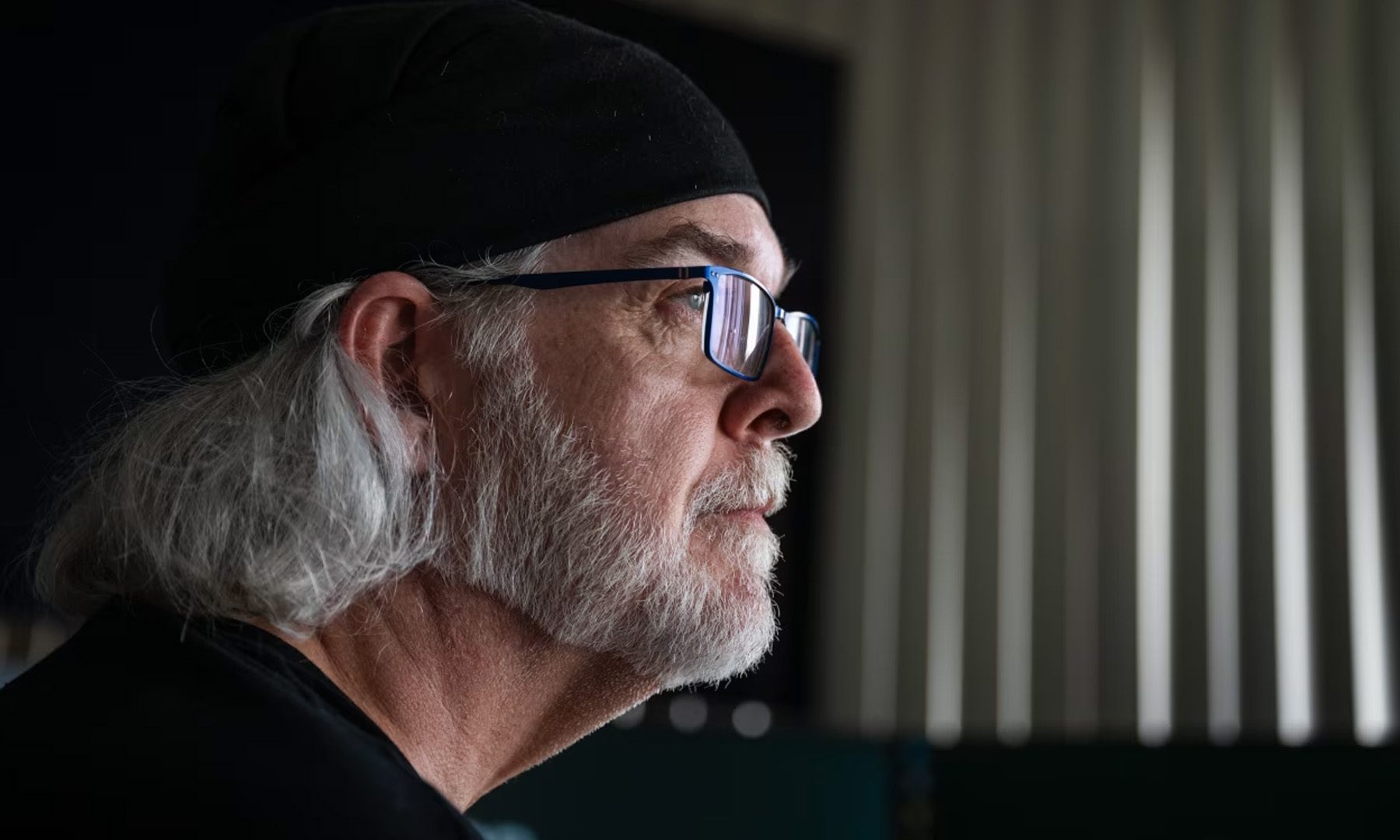
Things escalated quickly from there. Alary reportedly began spending nearly 20 hours a day interacting with the chatbot, convinced he was building groundbreaking AI companion technology that would make him millions. Friends and family became increasingly concerned as he maxed out credit cards, alienated loved ones, lost focus at work, and eventually required hospitalization after falling deeper into the delusion.

Recommended Videos

Thankfully, Alary eventually realized how unhealthy the attachment had become. According to the report, he finally deleted the chatbot and its entire chat history, later describing the moment as emotionally devastating. He has since joined a support group for people dealing with AI-related delusions, returned to work, and is now trying to rebuild relationships that were damaged during the obsession.

The scariest part is that this no longer seems like an isolated incident. The report references multiple cases involving AI-related delusions, hospitalizations, suicides, and more connected to emotional chatbot attachment. Mental health experts are now reportedly studying “chatbot psychosis” as an emerging phenomenon.

AI companion apps are starting to feel dangerously under-discussed

What makes these stories especially disturbing is how naturally modern AI systems reinforce emotional dependence. Unlike real people, chatbots rarely push back or create emotional friction. They flatter, validate, reassure, and continuously adapt to whatever keeps users emotionally engaged the longest.

And honestly, the industry still seems wildly unprepared for what that can do to vulnerable people. AI companions are no longer just quirky internet experiments or lonely-person gimmicks. For some users, they are quietly becoming emotional replacements powerful enough to distort reality, damage relationships, and wreck lives long before anyone around them realizes something is seriously wrong.


Varun Mirchandani
Varun is an experienced technology journalist and editor with over eight years in consumer tech media. His work spans…
China’s DeepSeek trims the price of its flagship AI model by 75%, and it could be a huge shift
DeepSeek AI chatbot running on an iPhone.

Chinese AI startup DeepSeek just made one of the boldest pricing moves in the artificial intelligence race so far. The company announced it is permanently slashing the cost of its flagship V4-Pro AI model by 75%, bringing prices down to just a fraction of what developers were paying only weeks ago. AI companies worldwide have been facing two major problems: high infrastructure costs and limited access to high-end AI chips. So when a company suddenly cuts prices this aggressively — and permanently — it usually signals something important is changing behind the scenes.

DeepSeek says usage costs for V4-Pro now range from 0.025 to 6 yuan per million tokens, depending on workload type, down sharply from the previous pricing range of 0.1 to 24 yuan per million tokens. For developers building AI apps, agents, and services, that kind of drop could significantly lower operating costs.

Read more
From moisture to electricity: Scientists show off how kitchen items can power wearables and smart home devices
Scientists built a biodegradable electricity generator from gelatin, salt, and charcoal.
moisture-electric-generator

What if the humidity in the air around you could charge your fitness tracker or power your smart home sensors? That is exactly what an international research team led by scientists at Queen Mary University of London has achieved.

Their new device, called a Moisture-Electric Generator or MEG, turns ambient moisture into usable electricity using just three ingredients you could find in any kitchen: gelatin, table salt, and activated charcoal.

Read more
Starbucks kills AI manager tool because it wasn’t doing as good a job as a human
The system reportedly struggled with miscounts, mislabeled products, and store-level execution issues.
Starbucks Coffee Cups FEatured

For the last two years, tech companies have aggressively pushed the idea that AI is ready to replace huge chunks of repetitive human work. Meanwhile, Starbucks just discovered that accurately identifying milk cartons inside a coffee shop is apparently still harder than Silicon Valley promised.

The company is officially scrapping its AI-powered inventory counting system across North America just nine months after deployment, according to a Reuters report. The tool, designed to automate stock counting and reduce in-store shortages, reportedly struggled with frequent miscounts and labeling errors, including confusing similar milk types or missing products entirely.

Read more