  1. Home
  2. Computing
  3. News

Samsung’s next Galaxy Book laptops could run Android-based OS instead of Windows

Samsung wants its laptops to run the same software as its phones.

Add as a preferred source on Google
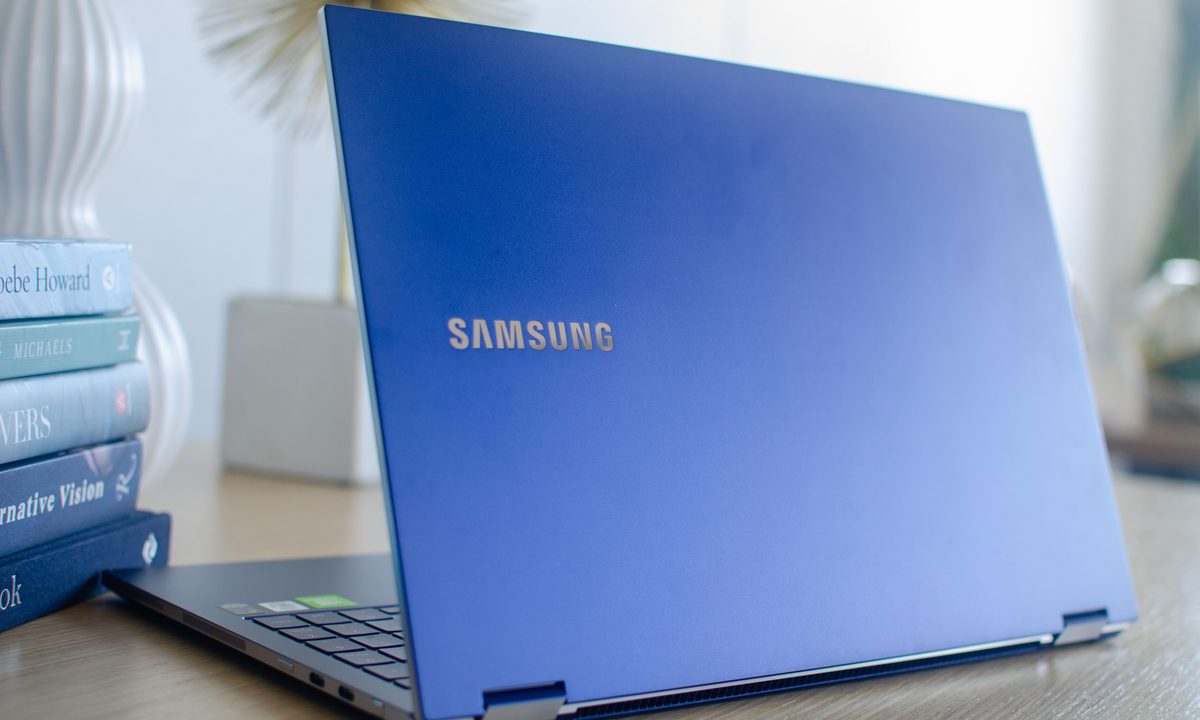
Samsung Galaxy Book Flex
Joel Chokkattu / Digital Trends

Samsung’s laptop lineup might undergo a major shift. According to a SamMobile report, Samsung is actively developing Galaxy Book laptops that run on Android rather than Windows.

It would represent a fundamental change in how Samsung builds its laptop experience, moving away from Microsoft’s operating system entirely and bringing its Galaxy devices closer together under one unified software identity.

How will Samsung’s Android Galaxy Book laptops differ from current Windows models?

The upcoming Galaxy Books will run Android 17-based One UI 9 software. Samsung already runs One UI across its phones, tablets, smartwatches, and even TVs. Bringing it to laptops would create a much more consistent experience across its entire product lineup.

Recommended Videos

The underlying platform is likely to be Google’s upcoming Aluminium OS, which is an Android-based version of ChromeOS designed for laptops and PCs. Samsung already sells Galaxy Chromebooks, so the transition is not entirely out of left field.

Samsung is also planning an improved version of Samsung DeX, its desktop productivity mode, which is expected to integrate more seamlessly with DeX on Galaxy phones and tablets. Galaxy AI features are also expected to be on board.

How many Galaxy Book Android models is Samsung planning?

The report suggests that Samsung is developing three tiers of Android-based Galaxy Books covering low-end, mid-range, and flagship segments. The flagship model is said to feature a very sleek design.
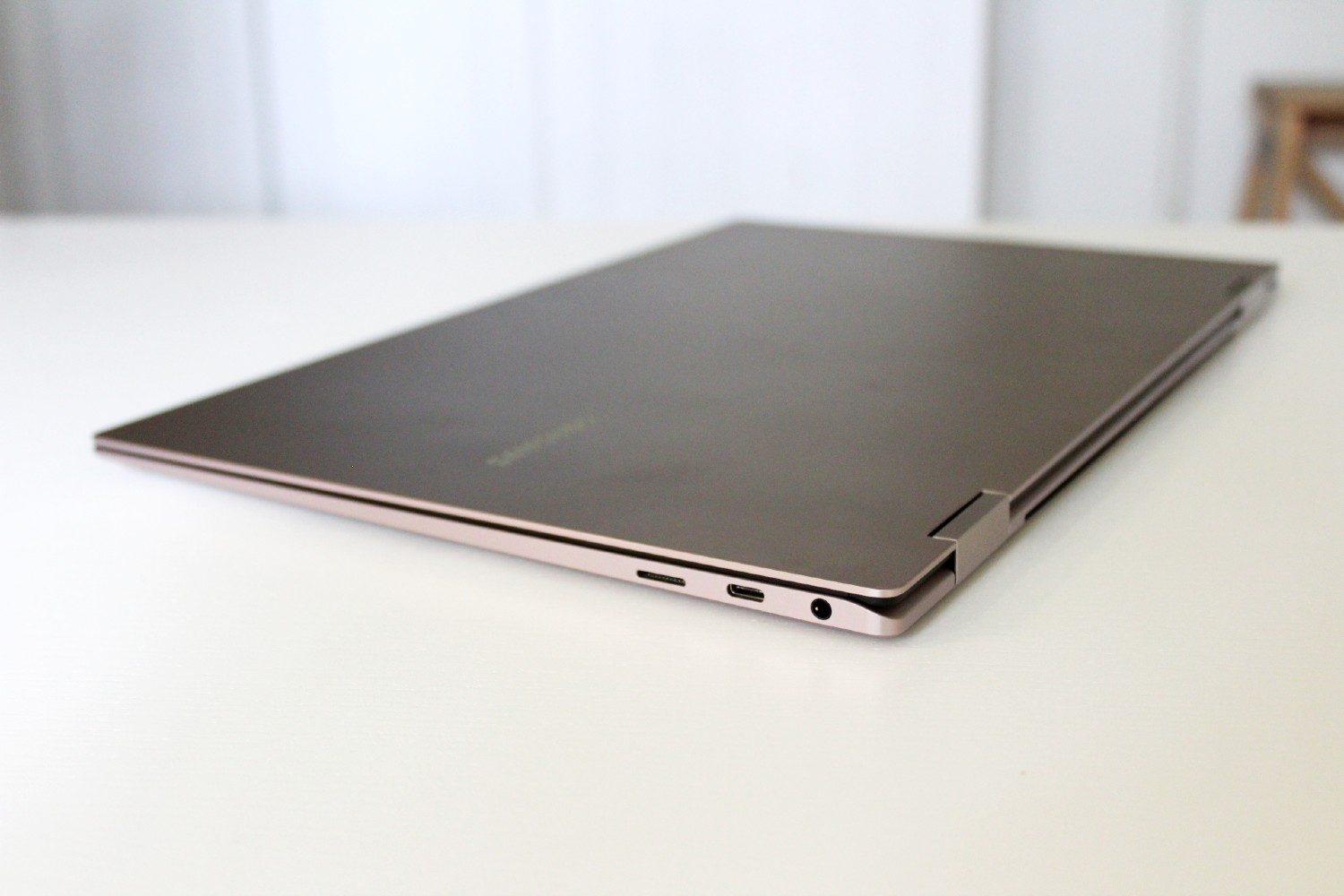
As for timing, Google is expected to unveil Android 17 and the next version of ChromeOS at Google I/O in May 2026, which means Samsung’s One UI-based Galaxy Books could potentially arrive before the end of this year. Nothing is confirmed yet, so treat this as a very credible but still early-stage development.

Samsung’s current Galaxy Book lineup already runs Windows, with the Galaxy Book 6 series competing closely with the MacBook Air in terms of price. The recently leaked Galaxy Book 6 Edge, powered by Qualcomm’s Snapdragon X2 Elite, showed premium specs but fell short of being the bold MacBook rival many were hoping for. An Android-based Galaxy Book running One UI could change that conversation entirely.

Manisha Priyadarshini
Manisha Priyadarshini is a tech and entertainment writer with over nine years of editorial experience.
Cherry XTRFY K63W Pro Compact is a wireless gaming keyboard that leaves lag behind
Ultra-Wideband tech and 8000 Hz polling are here to end your wireless woes for good.
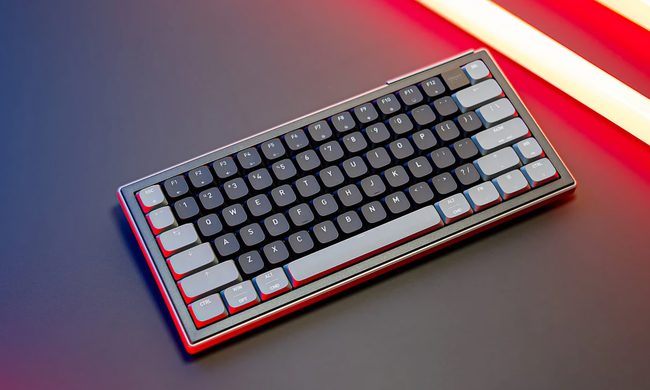
Cherry XTRFY K63W Pro Compact keyboard

Cherry XTRFY announced the K63W Pro Compact at Computex 2026, and the standout feature is one you don't often see in gaming keyboards: Ultra-Wideband technology. With a true 8000 Hz polling rate, this compact keyboard is positioning itself as a serious wireless option for gamers who don't want to compromise on performance.

What is Ultra-Wideband doing in a keyboard?

Read more
Google’s first new smart speaker in six years might finally have a release date
Google's self-imposed Spring 2026 deadline has come and gone without a word.
Electronics, Speaker

Google has been unusually quiet about its Gemini-powered Home Speaker ever since announcing it in October 2025. I was expecting the device to make an appearance at the I/O 2026, but that didn’t happen either. 

Now, a product page on Best Buy Canada just casually posted (read leaked) a release date, suggesting the wait is almost over.

Read more
Samsung One UI 9 will disable your fingerprint every time you open the power menu
The lockdown button is gone, medical info takes its place, and your Galaxy phone locks down every time you open and close the menu.
home screen on samsung Galaxy S26 Ultra

Samsung Galaxy phones have had a lockdown mode for years. It’s a manual option tucked inside the power menu that disables fingerprint and face unlock and forces a PIN entry. 

It is a useful last resort for situations where someone might force you to unlock your phone with your face or finger. The problem was that most people either didn’t know it existed or never used it in the first place. One UI 9 fixes that, and it does so by removing the choice entirely.

Read more