
  1. Home
  2. Emerging Tech
  3. News

AI nailed emergency diagnoses better than doctors in Harvard trials

AI beat doctors in emergency triage, but don’t fire your physician yet

Add as a preferred source on Google
Amazon AI Doctor with Patient
Amazon

AI has plenty of messy use cases, but emergency medicine may be one place where it can do some real good. A Harvard study comparing AI performance against doctors using patient data from emergency-room cases revealed that OpenAI’s o1 reasoning model outperformed human doctors in emergency triage diagnosis, especially in cases where decisions had to be made quickly with limited information.

What did the test reveal?

A part of the Harvard trial included 76 patients who arrived at the emergency room of a Boston hospital. The AI model and two human doctors were given the same electronic health record, including basic details like vital signs, demographic information, and a short nurse-written note explaining why the patient had come in.

Recommended Videos

The AI managed to identify the exact or near-exact diagnosis 67% of cases. Meanwhile, the human doctors scored between 50% and 55%. In the second test, more detailed information was provided, which caused the AI’s accuracy to rise to 82%. On the other hand, the humans scored between 70% and 79%. It is worth noting that this gap was not statistically significant.

Why doctors aren’t being replaced yet
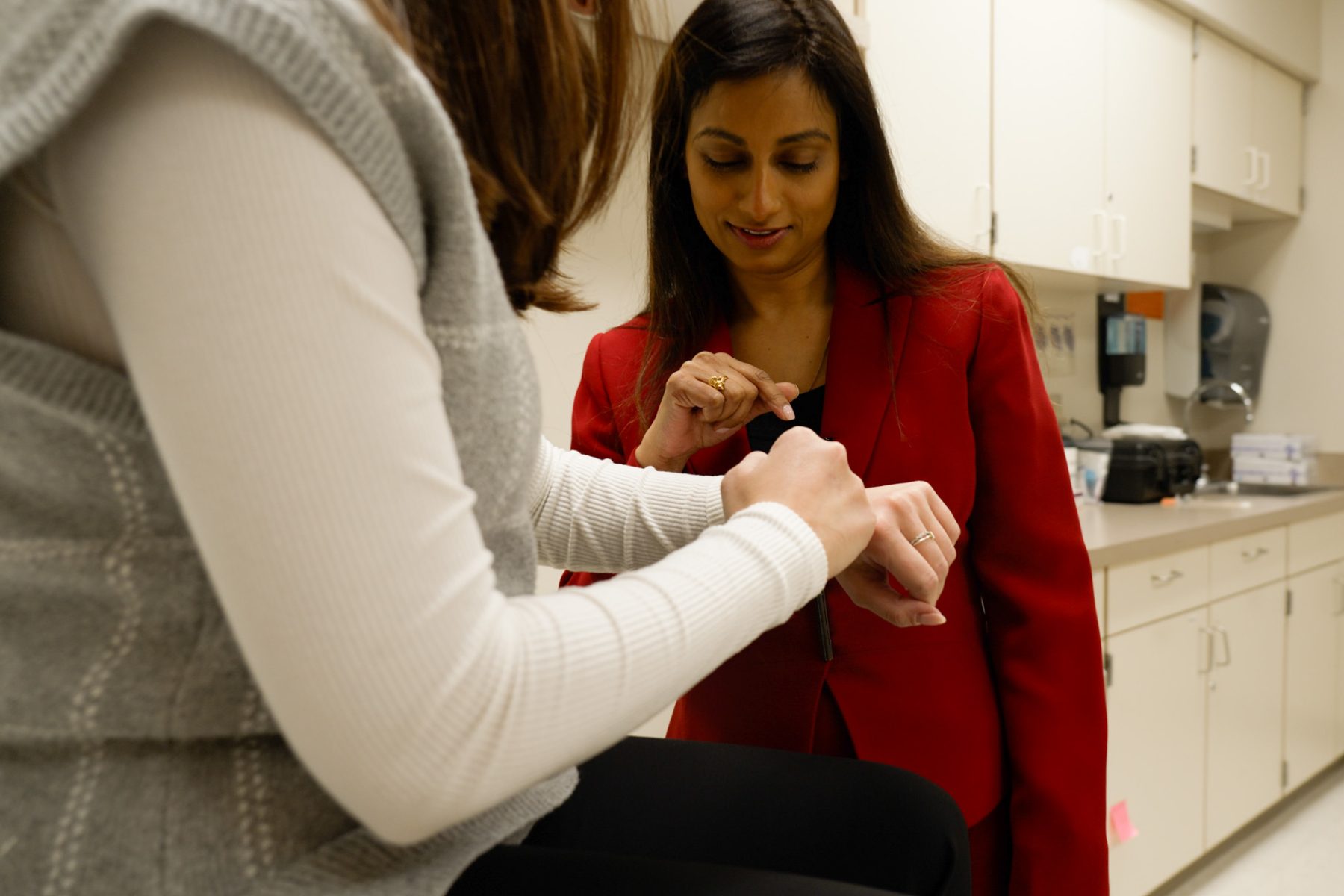
The premise of this study revolves around text-based medical reasoning, and not the full reality of emergency care. Researchers note that AI did not assess a patient’s distress, appearance, tone, body language, or other real-world signals doctors use in the actual ER.

Dr Adam Rodman, another lead author and a doctor at Boston’s Beth Israel Deaconess Medical Center, said AI could become part of a “triadic care model” involving the doctor, patient, and AI system.

While the results are impressive, the technology isn’t ready to be dropped into emergency rooms just yet. Experts raised concerns over accountability, patient safety, AI errors, and whether doctors may start deferring too quickly to AI recommendations. As of right now, it can only be good enough to offer second opinion when doctors need one fast.


Vikhyaat Vivek
Vikhyaat Vivek is a tech journalist and reviewer with seven years of experience covering consumer hardware, with a focus on…
Microsoft built an AI agent for laywers in Word. Let’s hope it doesn’t go berserk.
Microsoft’s Legal Agent Is here to review contracts and test everyone’s trust issues
uninstall-microsoft-copilot

Microsoft Word is getting an AI legal agent, which sounds helpful until you remember how badly this has gone before. The new Legal Agent can review contracts, suggest edits, compare versions, and flag risky clauses inside Word. On paper, these features sound quite useful and convenient, however, cases of generative AI tools hallucinating and inventing entire cases, citations and quotes from thin air have dragged some real people in real court trouble before.

What can Microsoft’s Legal Agent do?

Read more
ChatGPT just landed ads, Now, Google won’t rule out ads in Gemini app, of course.
Gemini may not stay ad-free in the age of ChatGPT ads
google-gemini

OpenAI recently started testing ads inside ChatGPT, and AI companies are already trying to figure out whether advertising inside an AI chatbot can work without annoying users. Now Google is making it clear that Gemini may not avoid that business model forever.

During Alphabet’s Q1 2026 earnings call, Google Chief Business Officer Philipp Schindler was asked directly about ads in the Gemini app. He kept the answer measured, saying Google’s current focus is the free tier, subscriptions, and AI plans, while the company is working on monetizing AI Mode in Search first.

Read more
VR headsets can make you a better dancer, if you can look past gaming and streaming
Dancers can now step inside their old routines with this VR tool
Electronics, Screen, Architecture

Virtual Reality headsets have spent years being marketed around video games, virtual cinemas, and fitness. Cornell researchers, however, are showing how these can also be used as a solid creative tool. A doctoral student at Cornell has helped develop an extended reality tool called "DanXeReflect", which lets dancers use VR headsets to analyze and refine their movement in an immersive virtual studio.

How DanXeReflect makes dance videos into a powerful rehearsal tool

Read more