
  1. Home
  2. Business
  3. News

GameStop shocks with a hefty multi-billion dollar bid to buy eBay

The meme-stock darling has made a $56 billion unsolicited move to swallow the e-commerce giant.

Add as a preferred source on Google
ebay signage on top of a building.
eBay

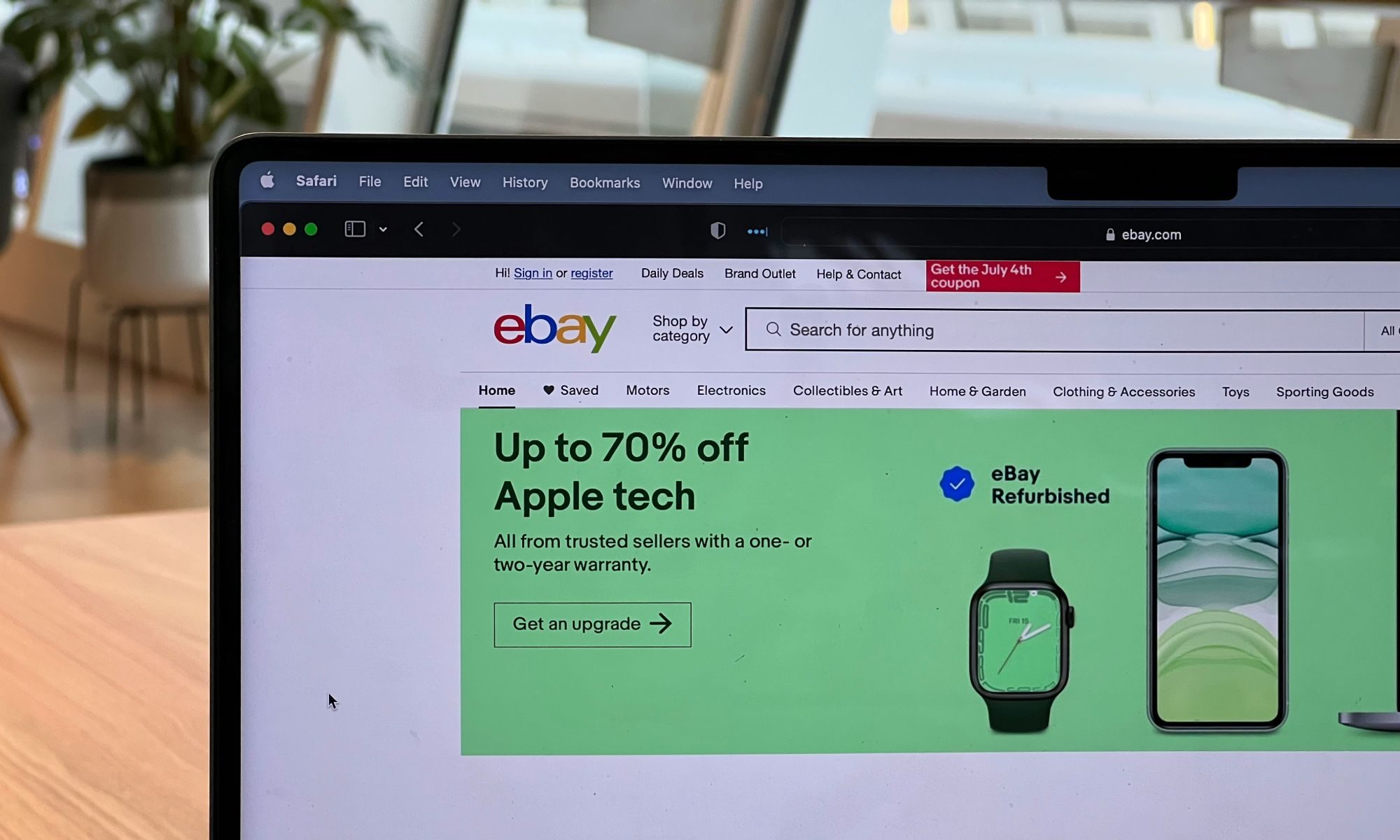
GameStop has proposed to acquire eBay in an unsolicited cash-and-stock deal worth approximately $56 billion, targeting a company nearly four times its own size. CEO Ryan Cohen disclosed the offer in a letter to eBay’s board and is reportedly prepared to take the bid directly to shareholders if the board proves unreceptive.

The deal structure

According to Reuters, the offer values eBay at $125 per share, a roughly 20% premium to the company’s closing price last Friday, structured as an even 50-50 split between cash and stock. Cohen confirmed that GameStop has already accumulated a roughly 5% stake in eBay through shares and derivatives.

Proposal to acquire eBay.https://t.co/FwjcxbDmyt

— Ryan Cohen (@ryancohen) May 4, 2026

To finance the deal, Cohen said he has secured a commitment letter from TD Bank for around $20 billion in debt financing. He added that he may also seek capital from external investors, including Middle Eastern sovereign wealth funds.

The pitch: a real challenger to Amazon

Cohen framed the acquisition as a transformational play, believing that a combined GameStop-eBay could become a serious rival to Amazon. “It could be a legit competitor to Amazon,” he said. “eBay should be worth – and will be worth – a lot more money. I’m thinking about turning eBay into something worth hundreds of billions of dollars.”
As part of his vision, Cohen suggested GameStop’s physical retail locations could serve as drop-off and authentication points for items sold by eBay sellers. He also indicated he sees untapped potential in live commerce and real-time video shopping experiences as a growth area for eBay.

Recommended Videos

Should the deal close, Cohen said he would step into the role of CEO of the combined company. He warned that if eBay’s board is unreceptive to the proposal, he is prepared to take the offer directly to shareholders through a proxy fight.

The move marks a bold strategic pivot for GameStop, a brick-and-mortar video game retailer that’s way past its heyday. The company briefly rose to fame during the meme-stock frenzy of 2021 and currently holds a market capitalization of around $12 billion, compared to eBay’s roughly $46 billion.


Pranob Mehrotra
Pranob is a seasoned tech journalist with over eight years of experience covering consumer technology. His work has been…
Does the Intuit Enterprise Suite (IES) interface dramatically differ from QuickBooks Online?
Person, Worker, Clothing

This post is brought to you in paid partnership with QuickBooks

The Intuit Enterprise Suite (IES) interface doesn’t dramatically differ from QuickBooks Online. Core navigation, workflows, and accounting functions remain familiar. The main difference is added functionality for managing multiple entities, user permissions, and consolidated reporting. This means most users can adapt quickly while gaining tools to handle more complex financial operations.

Read more
Amazon, hit by war, adds a fuel surcharge that could make shopping expensive for you
Third-party Amazon sellers face new fees starting April 17 as oil costs surge
Amazon delivery

A war halfway around the world is about to make your Amazon orders more expensive. Amazon has announced a 3.5% “fuel and logistics-related surcharge” on seller fees. It applies to third-party sellers who use Amazon’s fulfillment services in the US and Canada.

According to CNBC, the surcharge kicks in on April 17, and while it's technically a fee on sellers, not shoppers. But there's a very good chance you'll end up paying for it anyway.

Read more
Can I still keep all of my data and users separate across companies with Intuit Enterprise Suite (IES)?
Text, Page

This post is brought to you in paid partnership with QuickBooks

Intuit Enterprise Suite (IES) allows businesses to keep data and users separate across multiple companies while managing them within a single system. Each entity maintains its own financial records, while role-based permissions control user access. This structure helps organizations manage multiple entities efficiently while maintaining clear separation of data and financial reporting.

Read more