  1. Home
  2. Computing
  3. News

Meta’s AI scans photos for bone structure to catch underage users on Instagram and Facebook

Add as a preferred source on Google
meta-AI-Age-Assurance-teen-safety
Meta

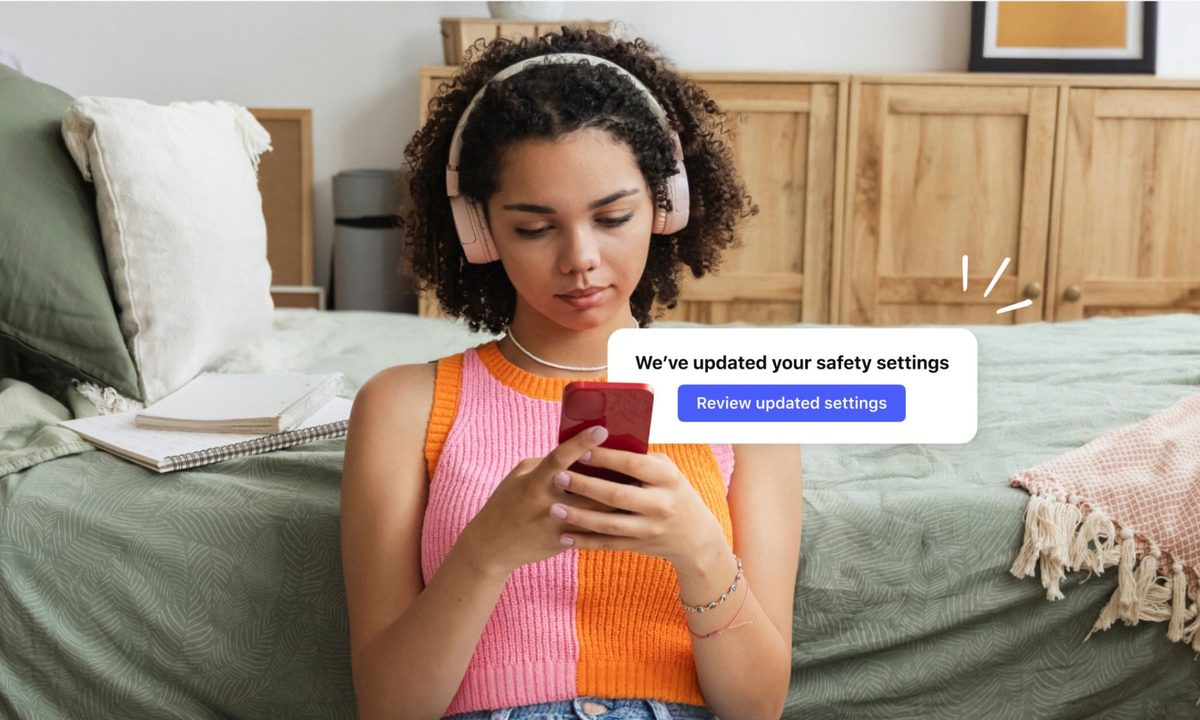
Meta has a new way of catching kids who lie about their age online, and it goes well beyond checking what they type.

The company announced it is now using AI visual analysis to scan photos and videos on Instagram and Facebook for physical indicators of age, including height and bone structure. Meta’s goal is to find and remove accounts belonging to users under 13 who may have signed up with a false birthday.

How does the visual analysis actually work?

Meta has been careful to clarify that this is not facial recognition. The AI doesn’t identify who someone is. Instead, it scans for general visual cues that suggest someone is young, like their physical proportions, to estimate a broad age range.

Recommended Videos

This visual scan works alongside existing text-based detection, which looks for contextual clues like birthday mentions, references to school grades, and information in bios, posts, captions, and comments. Meta also plans to expand this text analysis to Instagram Reels, Instagram Live, and Facebook Groups.
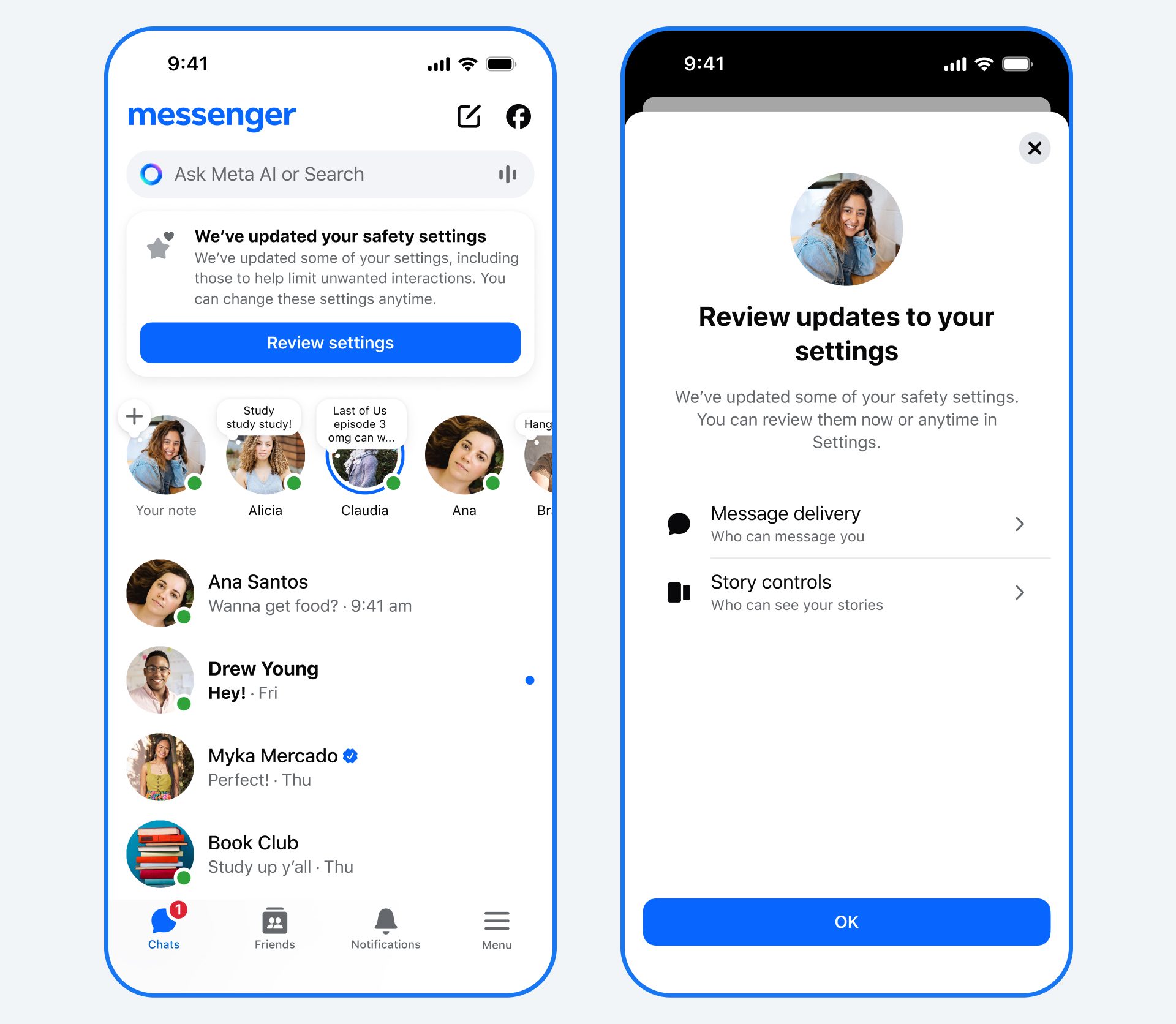
If an account is flagged as potentially underage, it gets deactivated. The user then needs to verify their age to get it back, or the account gets permanently deleted. The visual analysis is currently live in select countries, with a broader rollout planned.

What else is Meta doing for teen safety?

Meta is also expanding its Teen Accounts system, which automatically places users it suspects are between 13 and 15 into a stricter account experience. That means private accounts by default, DMs limited to people they already know, and hidden harmful comments.

This expansion now covers Instagram in Brazil and 27 EU countries, following earlier content restrictions modeled on film ratings. Facebook in the US is getting it for the first time too, with the UK and EU following in June. Meta has also given parents visibility into their kids’ AI chats as part of the same broader push.

The moves come as Meta faces mounting legal and regulatory pressure over child safety, including a $375 million penalty in New Mexico and a European Commission investigation into whether its platforms are doing enough to keep children off them.


Manisha Priyadarshini
Manisha Priyadarshini is a tech and entertainment writer with over nine years of editorial experience.
ChatGPT’s new default model is half as likely to mislead you on medical and financial questions
GPT-5.5 Instant is now ChatGPT's default model, and it promises significantly fewer hallucinations in medicine, law, and finance, shorter responses, and smarter personalization.
GPT-5.5 Instant illustration.

OpenAI has swapped out GPT-5.3 Instant for GPT-5.5 Instant as the default ChatGPT model, rolling the update out to all users starting today. The new model focuses on improving three things: accuracy, conciseness, and personalization.

Less hallucination, less fluff

Read more
iOS 27 could let users pick an AI model of their choice for text and image tasks
Apple isn't racing to build the smartest AI; it's building the best stage for others to perform on, and iOS 27 might just be opening night for a very crowded cast.
Electronics, Mobile Phone, Phone

There’s going to be a significant shift in how AI works across Apple’s devices, and you’re going to be at its center. According to Bloomberg’s Mark Gurman, iOS 27 and its major siblings (iPadOS 27 and macOS 27) will allow users to select from competing third-party AI models to handle tasks across core Apple Intelligence features. 

I’d like you to think of it as using your TV’s remote to set the desired channel and watch it, except the remote is iOS 27 and the channels are some of the most popular AI models that you’ve been using elsewhere. 

Read more
32GB RAM for Windows 11? Hey Microsoft, that sounds like a you problem!
If your OS needs more memory, maybe the issue isn’t the user’s PC.
Windows 11 suffering from RAM crisis

There was a time when buying a PC felt… rational. 8GB of RAM got the job done, 16GB felt like a power move, and anything beyond that was reserved for people doing genuinely heavy work. That balance existed because software respected hardware. Today, that balance has quietly collapsed, and Microsoft seems perfectly okay with it.

The company’s since-pulled guidance, casually positioning 16GB as the baseline and 32GB as the “no worries” zone, wasn’t just a recommendation. It’s a shift in responsibility. Because nothing about modern hardware suggests we suddenly need double the memory for the same everyday tasks. DDR5 memory is faster, more efficient, and more capable than anything we’ve had in the past. On paper, systems should feel smoother, more responsive, and more efficient. Instead, users are being nudged into upgrading just to maintain the same level of comfort they had years ago.

Read more