
  1. Home
  2. Emerging Tech
  3. News

You can now trust Perplexity with medical tips, or at least a tad more than ChatGPT or Gemini

A big step toward reliable AI health info.

Add as a preferred source on Google
Perplexity Health
Perplexity

Perplexity is doubling down on one of the trickiest areas for AI: health advice. And this time, it’s not just about better answers. It’s about making sure those answers actually come from sources people can trust.

What are Perplexity’s Premium Health Sources?

Perplexity has launched Premium Health Sources, a feature that brings clinician-grade medical data directly into AI responses. The idea is simple but important. Instead of relying on general web content, the system can now pull from trusted medical journals, clinical guidelines, and drug databases that are typically locked behind subscriptions.

Perplexity and Computer now connect to premium health sources, starting with NEJM and BMJ Group, with 9 more medical journals and clinical databases on the way.

Ask health questions and get answers cited from the same sources relied on by hospitals and research institutions. pic.twitter.com/hDLdEokkgv

— Perplexity (@perplexity_ai) May 5, 2026

This includes sources like the New England Journal of Medicine and BMJ, which are widely used by doctors and researchers. The AI automatically taps into these when a query needs it, and every answer comes with citations so users can verify where the information is coming from. The goal is to make health answers not just readable, but medically grounded.

Why is Perplexity focusing on health right now?

Health queries already make up a significant portion of usage, with more than one in ten searches on Perplexity related to health. That makes accuracy far more important compared to other topics.

The feature is designed for two types of users. On one side, it helps individuals better understand diagnoses, treatments, or medications. On the other hand, it supports professionals like healthcare teams and researchers who need deeper, evidence-backed information.

Recommended Videos

Perplexity is also planning to expand this ecosystem further, with upcoming integrations like Micromedex for drug data, VisualDx for clinical imagery, and databases like EBSCOhost for broader medical research.

Is this about accuracy or trust?

It is both, but trust is the bigger play. Reports have pointed to cases where AI advice may have contributed to serious mental health issues, while other research suggests chatbots can sometimes reinforce harmful thoughts instead of challenging them.

As such, by grounding responses in verified medical sources, Perplexity is trying to reduce that gap. It does not replace medical advice, but it changes the starting point. Instead of generic summaries, users now get information closer to what professionals rely on. And that shift matters. Because in health, the difference between sounding right and actually being right is everything.

Varun Mirchandani
Varun is an experienced technology journalist and editor with over eight years in consumer tech media. His work spans…
Amazon’s Alexa+ just moved into your Bose speaker, if you’re willing to pay the rent
This is a signal that the AI assistant race is expanding well beyond the devices Amazon builds itself.
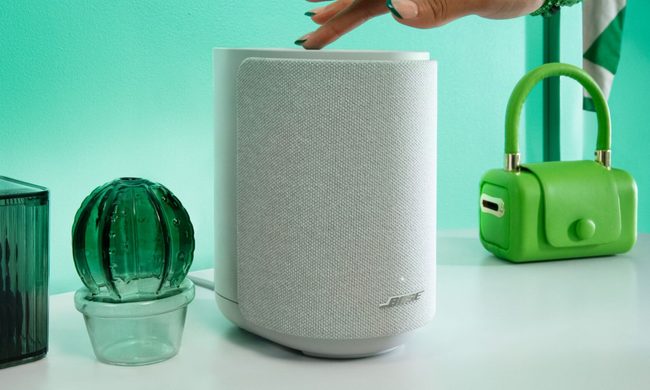
Alexa+ arrival on Bose speakers.

Amazon has officially expanded its AI assistant, Alexa+, beyond the company’s own hardware. Along with the announcement of its Lifestyle Ultra speakers, Bost has also announced that Alexa+ is coming to its lineup of speakers and soundbars across the United States.

This is a first for any non-Amazon audio brand. What’s even more interesting for me is that the rollout covers both new and existing Bose devices. 

Read more
Harvard launched an open-source wallet that stores biometric data on your phone instead of servers
New Keyring wallet could stop companies from profiting off your personal identity data
Fingerprint (shutterstock/ italianestro)

Every time you create a new online account, you're handing over personal data to a server you'll never control. Since an average person can have hundreds of online accounts on different services, that adds up to a lot of data sitting in corporate databases.

Researchers at Harvard's Applied Social Media Lab say that this system puts your privacy at risk and makes you more vulnerable to identity theft. Their solution to this problem is Keyring, an open-source identity wallet that stores your biometric data on your phone instead.

Read more
Think music is the worst hit by slop? AI has deeply polluted podcasts, as well
AI podcasts are turning audio platforms into slop factories
Young woman listening to a podcast

AI slop has already flooded video feeds, gaming debates, software code, and search results. Now the same low-effort machine-made content is moving into podcasts.

Music usually dominates the AI slop debate, but the podcast problem may be harder to spot and harder to clean up. AI tools can now create, upload, and even monetize entire shows far faster than traditional podcast studios.

Read more