Google is preparing to kick off its annual developer conference, Google I/O 2026, and this year’s event is shaping up to be heavily focused on artificial intelligence, Android 17, and the future of Google’s ecosystem. The conference begins on May 19 at the Shoreline Amphitheatre in Mountain View, California, with CEO Sundar Pichai expected to lead the keynote presentation. The event will be livestreamed globally through Google’s official I/O website and YouTube channels.
While Google I/O has traditionally focused on developers, this year’s announcements are expected to directly affect everyday users across Android phones, Search, Chrome, Workspace, and smart devices.
Google is turning AI into the center of everything
The biggest theme expected at Google I/O 2026 is Gemini AI. Google has already spent the last year integrating Gemini into products like Gmail, Search, Android, and Workspace, but this event may show how deeply the company plans to embed AI into its entire ecosystem.
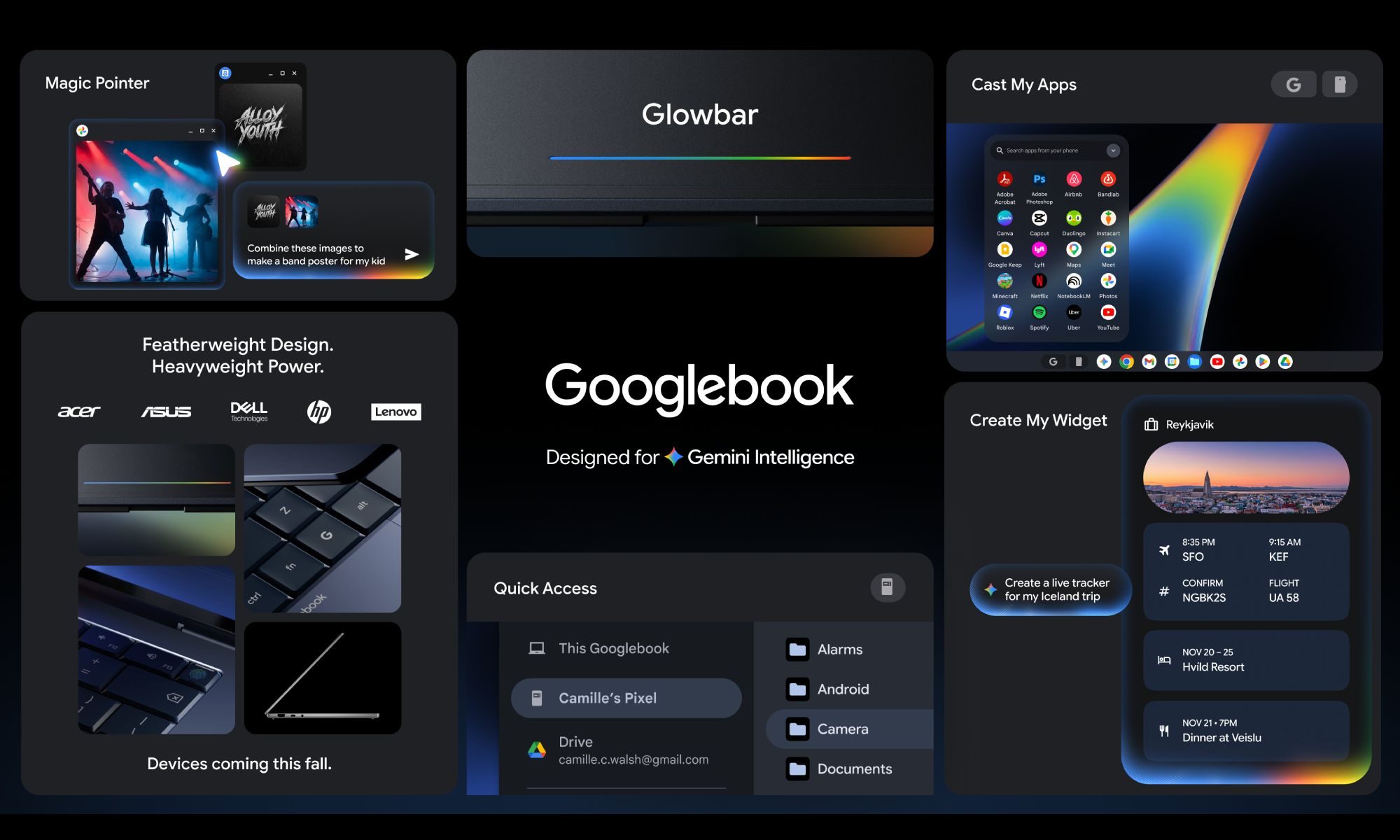
One of the most anticipated announcements is the next phase of Gemini Intelligence inside Android 17. Reports suggest Android is evolving from a traditional operating system into a more context-aware AI platform capable of automating tasks, generating widgets, handling voice interactions, and proactively assisting users across apps.

Google is also expected to reveal more about “Gemini Omni,” a rumored AI model focused on advanced video generation and editing. This could position Google more directly against OpenAI’s Sora and Adobe’s generative AI tools.
Beyond smartphones, AI may also reshape Google’s laptop ambitions. Multiple reports suggest Google could formally unveil “Googlebook,” a new AI-first laptop platform designed to eventually succeed Chromebooks. The devices are expected to combine Android and ChromeOS elements while deeply integrating Gemini AI features into the user experience.
Android 17 and XR could also take center stage
Android 17 is expected to receive several upgrades focused on personalization, multitasking, and AI-powered features. Leaks and previews have hinted at redesigned widgets, enhanced voice input, new digital wellbeing tools, and updates to Android Auto.
Google may also showcase progress on Android XR, its augmented and mixed reality platform. Smart glasses and wearable AI devices have become increasingly important across the tech industry following moves from Meta, Apple, and Samsung. Google previously teased Android XR hardware, and I/O 2026 could provide a clearer look at the company’s long-term strategy.
Why this event matters
Google I/O 2026 arrives at a critical moment for the company. The AI race has accelerated rapidly over the past two years, with OpenAI, Microsoft, Apple, and Meta all competing to define how consumers interact with AI systems.
For Google, this event is not just about announcing new software features. It is about showing that Gemini can become the foundation of Google’s future products rather than simply an optional assistant layered onto existing services.
At the same time, the company faces growing scrutiny over AI-generated search summaries, misinformation risks, and the broader impact AI may have on publishers and the web ecosystem.
What happens next
Google I/O 2026 begins on May 19, with announcements expected across Android, Gemini AI, XR devices, Search, Workspace, and possibly new hardware categories.
If the leaks and reports are accurate, this year’s conference could mark Google’s biggest shift yet toward an AI-first ecosystem – one where Android, laptops, search, and productivity tools all revolve around Gemini.