  1. Home
  2. Emerging Tech
  3. News

Starlink Mini may finally cut the cord with a battery-powered dish

SpaceX is fixing the biggest portable problem with Starlink

Add as a preferred source on Google
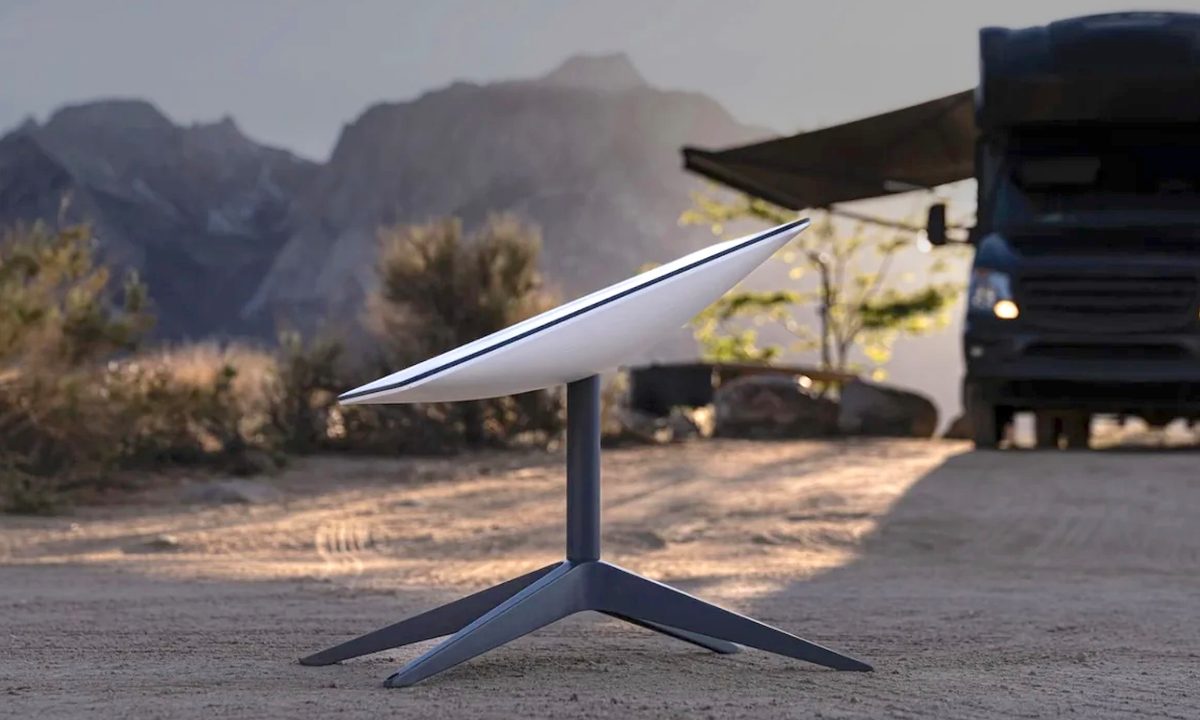
A Starlink dish.
SpaceX

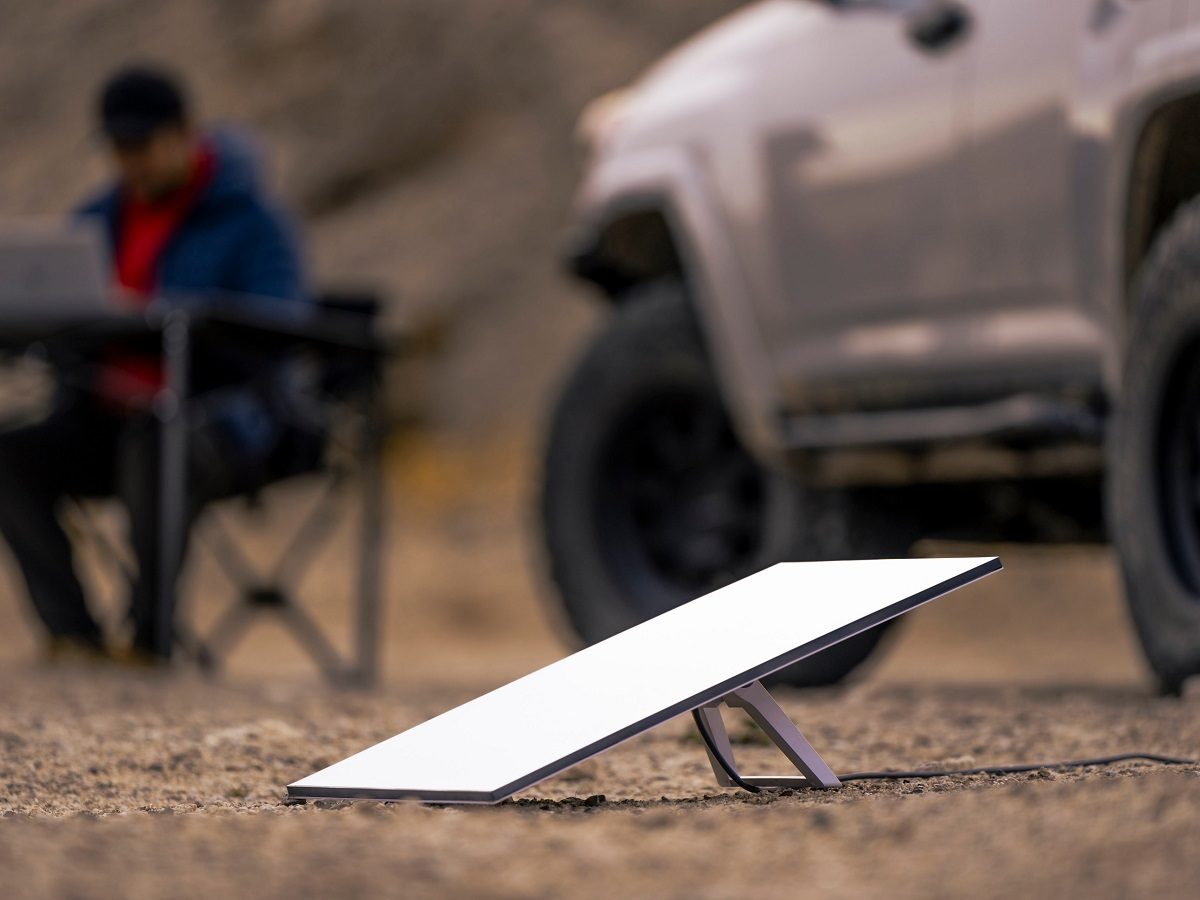
Starlink Mini is already the version of SpaceX’s internet dish built for on-the-go connectivity. It has found its fans in travelers, campers, vanlifers, and others who live off the grid. But new firmware clues suggest SpaceX may be getting ready to make it even more portable by putting the battery inside the dish itself.

According to a PCMag report, university researcher Jinwei Zhao spotted new Starlink firmware strings that point toward a possible Starlink Mini model with an integrated battery. The key clue is a new DishBatteryStats reference, which appears designed to return battery-specific information rather than simply detect that the dish is plugged into some random external power bank.
What was revealed in the firmware?

The GitHub proto file linked in the report shows a DishBatteryStats message, which is what one would expect from hardware that monitors its own battery. The same file also lists three power-source states, namely USBC, BATTERY, and USBC_AND_BATTERY, suggesting the unreleased hardware could run from USB-C, an internal battery, or both at the same time.

Recommended Videos

Keep in mind that this isn’t a confirmation for a brand-new Starlink Mini from SpaceX. There’s also no mention of pricing, launch timing, battery capacity, or final design. But this lines up with what Starlink Mini users want, which is fewer cables and less dependence on a bulky external battery.

Why this is actually great

The current Starlink Mini can already be powered by portable batteries, which is a big part of its appeal. Currently, the portable dish can run from a USB-C power bank with the right setup. But the catch is that users need a compatible battery and the right cable, since the Mini requires 100W USB-C Power Delivery and does not work with 65W or lower USB-PD supplies.

The current kit also ships with an AC wall adapter and a long cable using 5521 barrel connectors. This is exactly why an integrated battery would be a genuinely useful upgrade. Third-party batteries already exist. However, a SpaceX-built version could work more cleanly with the Starlink app, battery stats, charging controls, and warranty support.

Vikhyaat Vivek
Vikhyaat Vivek is a tech journalist and reviewer with seven years of experience covering consumer hardware, with a focus on…
China will put a unique ID code on humanoid robots, just like citizen ID for us humans
China is treating its humanoid robots like citizens. assigning each one a unique ID code from birth to recycling.
Robot with four arms

China has launched a national programme that will assign every humanoid robot manufactured in the country a unique digital identity code, effectively a citizen ID, but for bipedal machines (those that can balance and walk/run on two legs). 

The initiative, called the Humanoid Full Lifecycle Management Service Platform, was announced on Friday. It is led by the Humanoid Robotics and Embodied Intelligence Standardization committee, which is under China's Ministry of Industry and Information Technology (via South China Morning Post).

Read more
Romantic AI bots continue to ruin lives, and the latest horror story is simply shocking
A story that sounds like Black Mirror, except it’s completely real.
Man using phone on bed

For years, romantic AI relationships felt like distant sci-fi fiction, but reality caught up far faster than anyone expected, and it’s looking deeply unsettling already. A disturbing new Wall Street Journal report details how a 57-year-old man became emotionally obsessed with a customized ChatGPT companion named “AImee,” eventually spiraling into delusions, financial loss, hospitalization, and fractured relationships.

One ChatGPT companion reportedly spiraled into obsession and delusion

Read more
China’s DeepSeek trims the price of its flagship AI model by 75%, and it could be a huge shift
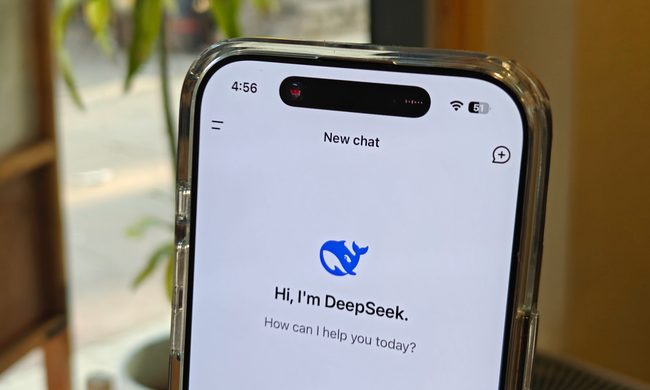
DeepSeek AI chatbot running on an iPhone.

Chinese AI startup DeepSeek just made one of the boldest pricing moves in the artificial intelligence race so far. The company announced it is permanently slashing the cost of its flagship V4-Pro AI model by 75%, bringing prices down to just a fraction of what developers were paying only weeks ago. AI companies worldwide have been facing two major problems: high infrastructure costs and limited access to high-end AI chips. So when a company suddenly cuts prices this aggressively — and permanently — it usually signals something important is changing behind the scenes.

DeepSeek says usage costs for V4-Pro now range from 0.025 to 6 yuan per million tokens, depending on workload type, down sharply from the previous pricing range of 0.1 to 24 yuan per million tokens. For developers building AI apps, agents, and services, that kind of drop could significantly lower operating costs.

Read more