  1. Home
  2. Computing
  3. Emerging Tech
  4. News

Just like humans, this robot can hear music and play it after just two minutes of self-practice

The successful experimentation points toward a new model for rehabilitation robotics, based on experiential learning.

Add as a preferred source on Google
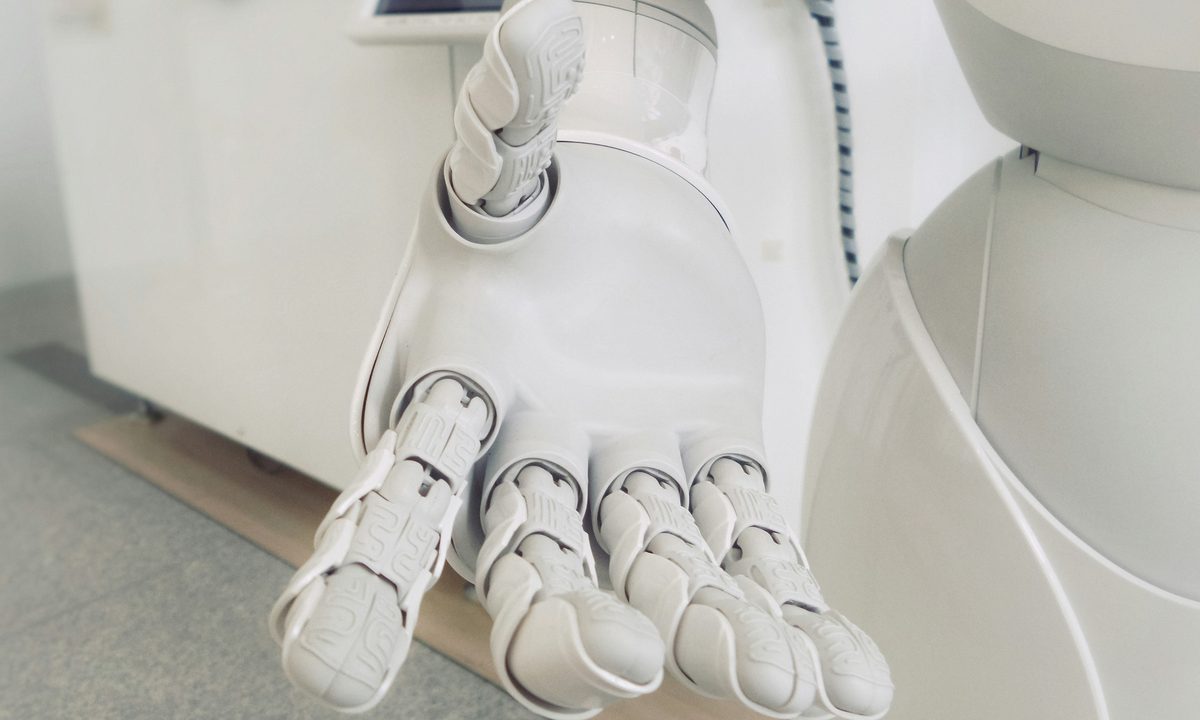
A robotic hand.
A robotic hand. Unsplash/Possessed Photography

In a neuro-robotics lab at the University of Southern California, a small mechanical hand heard a melody for the first time and played it back in a single attempt, without any sheet music, pre-loaded scores, or weeks of supervised training and practice (via USC Viterbi). 

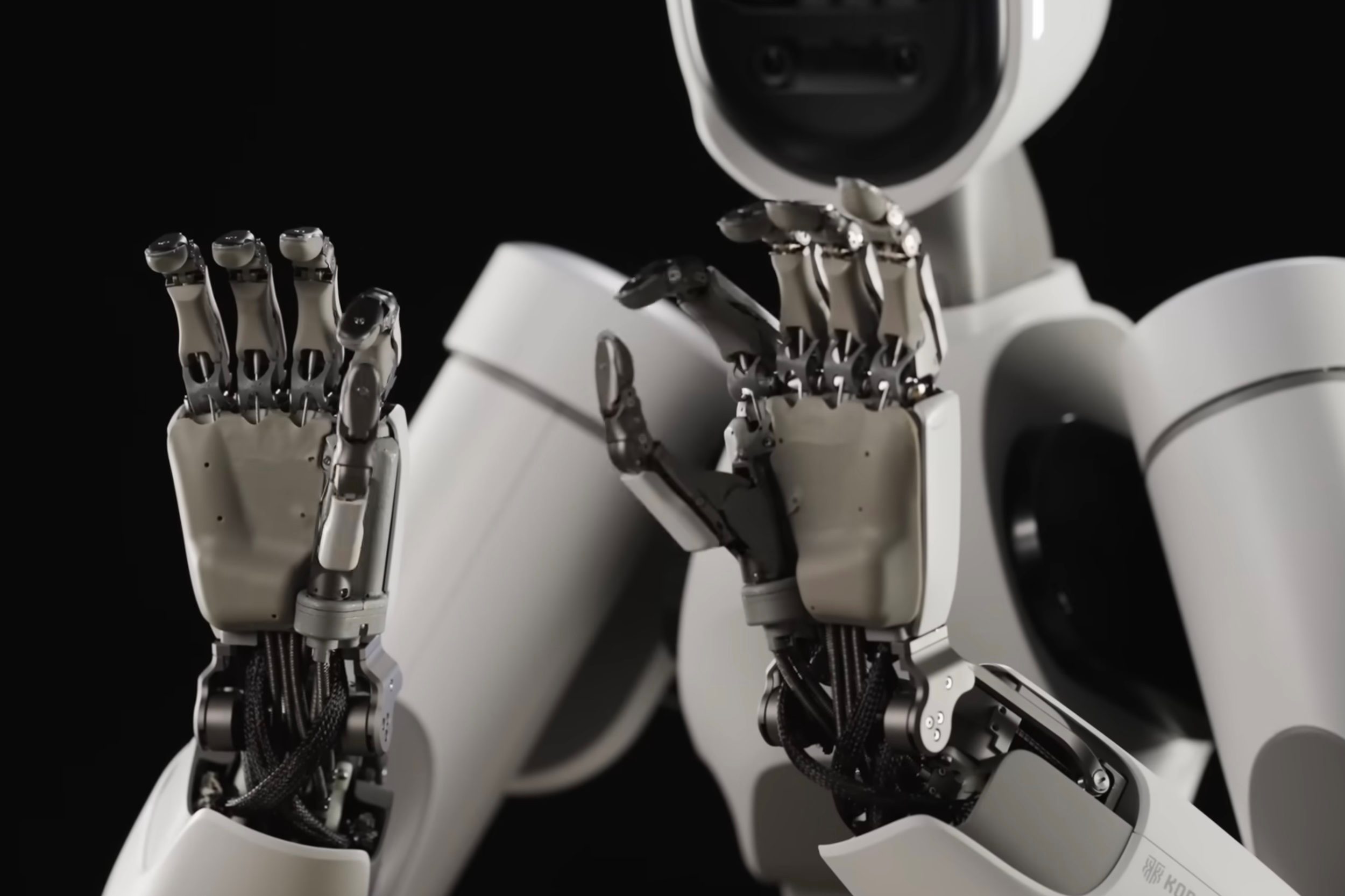
The system is called the Musician Hand. It has four fingers, each moved by a tendon connected to a small electric motor, mirroring how muscles actually pull tendons in a human hand. It was built by doctoral candidate Hesam Azadjou under the direction of Professor Francisco Valero-Cuevas. 
How did the robot actually learn?

Through a technique called “motor babbling,” the exploratory trial-and-error process by which humans learn to control their limbs. Without knowing about the concept of hands, keyboards, and music, the robot discovered how its movements could produce sounds by pressing the keys of a piano. 

Recommended Videos

For the first two minutes, the robotic hand pressed random keys, analyzing the relationship between finger movements and the sounds produced by the piano. From that brief experience, it mapped the connection between motor commands (the finger movements) and the results (the sounds).

When the Musician Hand heard the melody of around 30 notes for the first time, designed by Los Angeles-based composer and music theorist Richard Tuttobene and called “Robo Algo,” it converted the audio into a spectrogram, used neural networks to identify the notes, and then generated the required commands to reproduce the sequence, right on the first attempt. 
What makes this more than a musical party trick?

The researchers also conducted a blind audition, wherein two judges assessed the Musician Hand alongside four trained pianists without knowing which one was the robot, and there were times when they couldn’t tell the difference between the humans and the robot. 

By contrast, untrained adults couldn’t even replay the first dozen notes. Azadjou points out that the human brain solves complex motor problems by using less than 100 watts of power, which is roughly equivalent to a laptop charger, but conventional AI might need megawatts of power for the same task. 

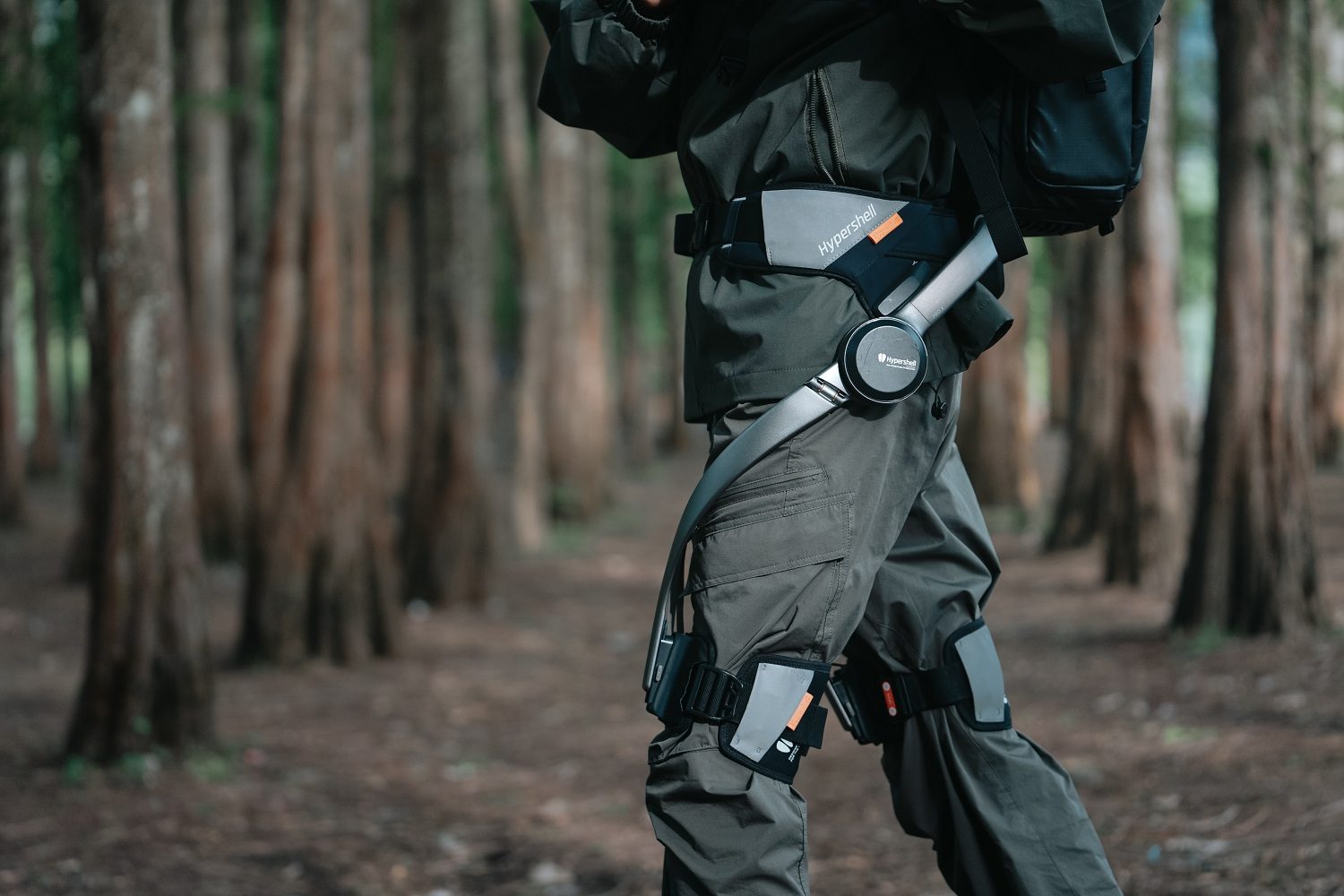
This kind of lean, efficient, and experience-based learning could actually be applied to robotic devices people can wear and use on a daily basis, such as exoskeletons for Parkinson’s patients and personalised rehabilitation robots. The research was supported by the NSF and DARPA.

Shikhar Mehrotra
For more than five years, Shikhar has consistently simplified developments in the field of consumer tech and presented them…
Google’s AI Overviews are blabbering about fictional monsters as if they’re real
A new report claims Google's AI Overviews described fan-fiction horror creatures from the SCP Foundation as documented fact in at least 20 cases.
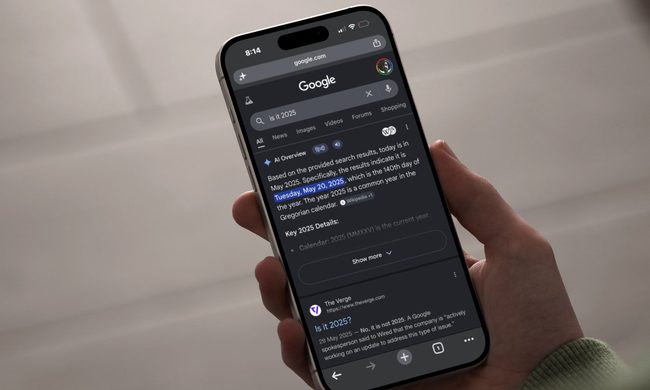
Google Search AI Overview misidentifying May 6 2026 as May 20 2025.

Google's AI Overviews feature is reportedly presenting entries from the SCP Foundation, a popular fan fiction universe built around fake horror "anomalies," as though they describe real creatures and events. Futurism found at least 20 cases where the AI-generated summaries skipped any mention that the SCP entries are fiction.

Confusing made-up monsters as the real thing

Read more
Adobe’s new AI assistant could save you hours in Photoshop and Premiere
Premiere Pro users may never have to rename 500 video clips again
Adobe

Adobe is making one of its biggest bets yet on AI-powered creativity. The company has announced a major expansion of its creative agent across Firefly and Creative Cloud, introducing AI assistants capable of handling complex, multi-step workflows across applications, including Photoshop, Premiere Pro, Illustrator, InDesign, and Frame.io.

The move positions Adobe's AI agent as a central layer connecting every stage of the creative process, from brainstorming and content generation to editing and final production. Rather than simply generating images or text, Adobe's vision is to create an assistant that can understand a creator's goal and execute a series of actions across multiple tools.

Read more
Trump says Intel will make chips for Apple in a major win for U.S. manufacturing
Intel Foundry may have landed its most important customer yet
Logo

Intel’s efforts to rebuild its chipmaking business may have landed its biggest customer yet. U.S. President Donald Trump announced on Thursday that Apple has agreed to work with Intel to design and manufacture chips in the United States, a deal that could significantly strengthen Intel’s foundry ambitions.

The announcement does not come out of the blue. Earlier reports indicated that Apple and Intel had been discussing a manufacturing partnership for more than a year and had already begun working together on select chip production projects.

Read more