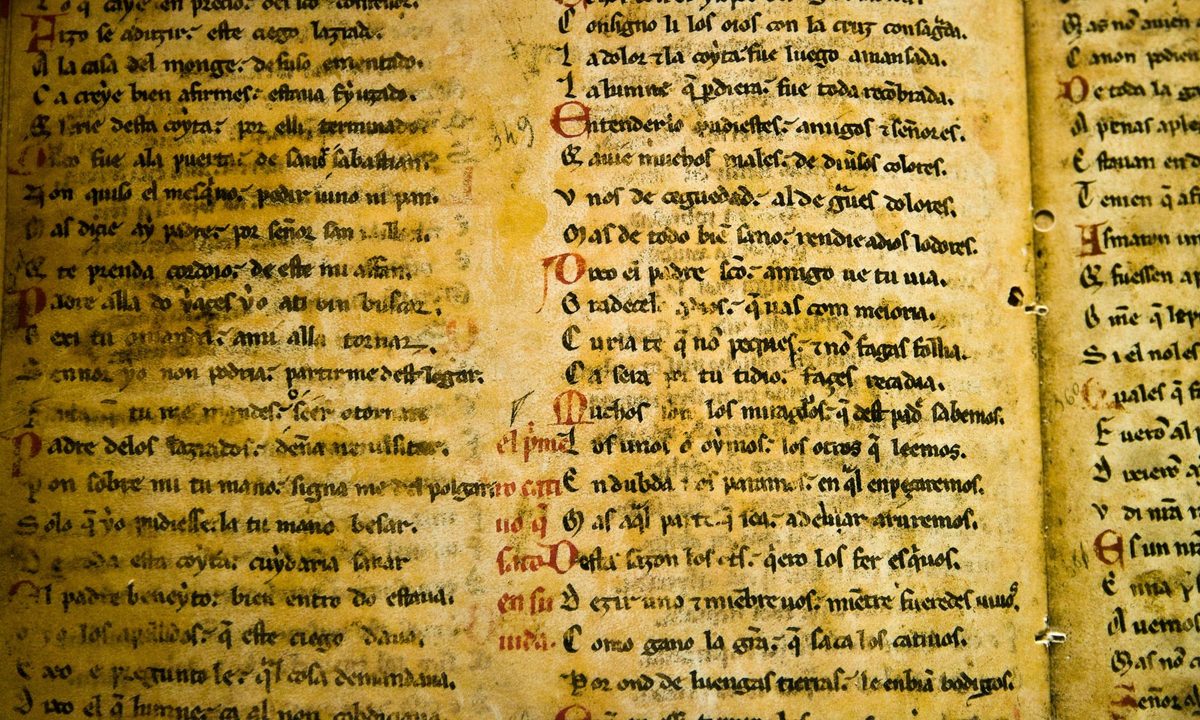
Artificial intelligence is no longer just writing emails, generating images, or powering chatbots. Researchers are now increasingly using AI to unlock historical secrets hidden inside centuries-old manuscripts, damaged letters, and handwritten archives that humans have struggled to understand for generations fully.
According to a recent report from the BBC, historians and computer scientists are combining machine learning with historical research to decode ancient documents ranging from medieval diplomatic letters to forgotten love notes and political conspiracies.
The technology is helping researchers recover information from texts that are faded, incomplete, damaged, encrypted, or written in handwriting styles that are difficult for modern scholars to interpret manually.
AI is becoming a powerful tool for historians
One of the biggest breakthroughs involves AI systems trained to recognize historical handwriting and linguistic patterns from different eras. Medieval documents are particularly difficult to analyze because writing styles, spellings, and even languages evolved significantly over centuries.
Researchers are now feeding thousands of historical documents into AI models so systems can learn how scribes wrote during specific periods. Once trained, the AI can identify patterns, restore missing words, and even predict likely interpretations of partially destroyed texts.
Some projects focus on diplomatic correspondence and state records, while others uncover personal stories hidden in archives for centuries. According to the BBC report, researchers have already used AI to help interpret letters connected to political intrigue, private relationships, and medieval diplomacy.
The technology is especially valuable because many historical archives remain too vast for human researchers to process manually. Libraries and museums across Europe alone contain millions of handwritten pages that have never been fully digitized or translated.
AI is also helping scholars analyze documents that were previously considered unreadable. In some cases, faded ink, water damage, or unusual writing systems made traditional restoration methods extremely difficult. Machine learning models can now enhance text visibility and reconstruct missing sections far more efficiently.
Why this matters
The implications go beyond academic curiosity. Historical archives shape how societies understand politics, culture, religion, science, and even modern international relations. AI-assisted analysis could dramatically accelerate discoveries that previously might have taken decades of manual research.

The technology may also democratize historical research by making ancient documents more searchable and accessible online rather than limiting them to specialists trained in rare languages or paleography.
At the same time, historians remain cautious. AI models can still misinterpret context, mistranslate words, or introduce inaccuracies when reconstructing damaged texts. Most researchers currently treat AI as a collaborative tool rather than a replacement for human historians.
What happens next
Researchers expect AI-assisted historical analysis to expand rapidly over the next few years as models improve and more archives become digitized.
Future systems may eventually help decode lost languages, reconstruct damaged manuscripts more accurately, and uncover patterns across historical records that humans would struggle to identify alone.
For now, though, the technology is already changing how historians approach the past. Instead of spending years manually deciphering fragile documents line by line, researchers are beginning to use AI as a kind of historical detective — one capable of uncovering forgotten stories buried for centuries inside paper, ink, and fading handwriting.