Apple’s long-delayed AI overhaul may finally be starting to take shape, and the company appears ready to push Siri far deeper into its ecosystem than before. According to a new report from Mark Gurman, Apple is developing a major Siri upgrade that will synchronize AI conversations across devices through iCloud, turning the assistant into a more persistent and connected AI system inside Apple’s tightly controlled ecosystem.
The upcoming Siri redesign is reportedly being prepared as part of Apple’s broader iOS 27 and iOS 28 strategy, with the company positioning the assistant more directly against AI products like Google Gemini and ChatGPT. Instead of functioning as a simple voice tool, Siri is expected to evolve into a conversational AI assistant capable of maintaining synced chat histories across iPhones, iPads, Macs, and other Apple hardware.
Apple wants Siri to become the centre of its AI ecosystem
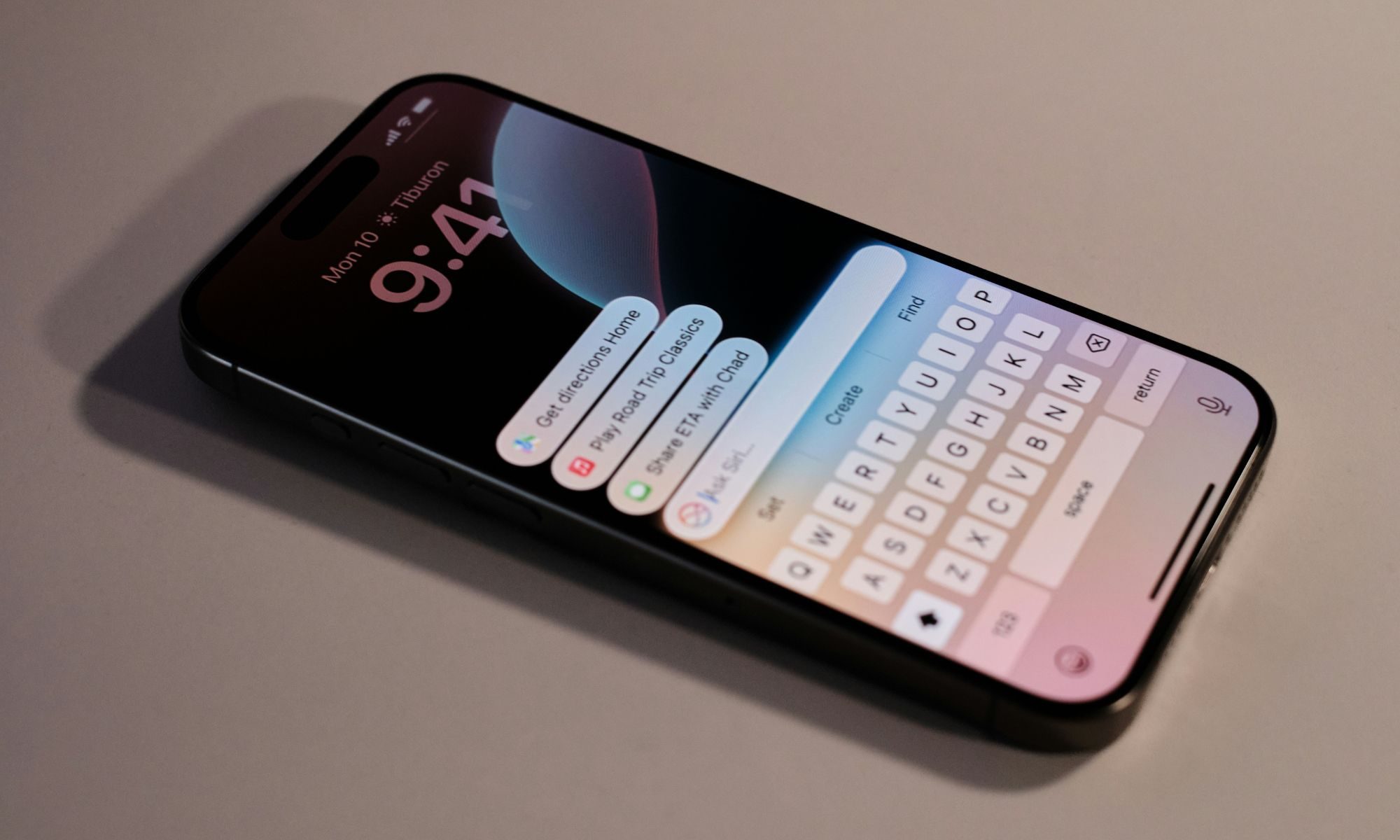
According to Bloomberg’s report, Apple is internally testing a completely redesigned Siri interface that resembles modern AI chatbot apps. The new experience reportedly includes a dedicated chat-style interface, persistent conversation history, and cloud synchronization powered through iCloud.
This would allow users to begin an AI conversation on one Apple device and continue it seamlessly on another. Apple is reportedly positioning this as a key differentiator for its AI strategy, leveraging the company’s ecosystem advantage rather than competing purely on raw AI model performance.
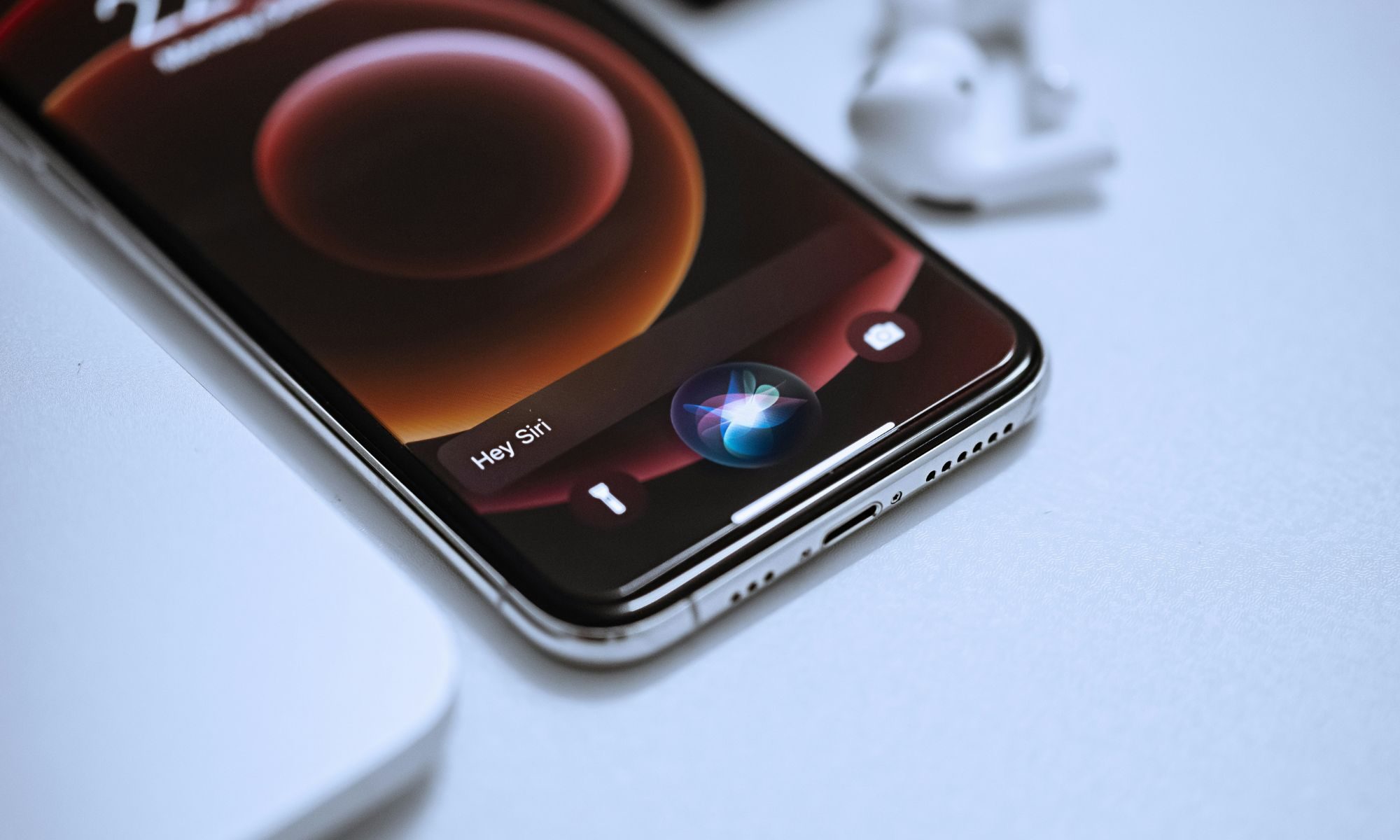
The report also suggests Apple is integrating Siri more deeply across its software platforms as part of future versions of iOS, iPadOS, and macOS. Internally, Apple is said to already be preparing iOS 28 features while work continues on iOS 27.
The AI-focused Siri upgrade has reportedly faced multiple delays over the past two years, partly because Apple has struggled to modernize Siri’s underlying architecture quickly enough. Gurman notes that several Apple AI projects, including AI-powered AirPods and smart home products, were also slowed by delays tied to Siri’s redevelopment.
At the same time, Apple is preparing for a broader hardware push built around AI experiences. Bloomberg reports the company is developing smart glasses aimed at competing with Meta’s Ray-Ban smart glasses, with Siri expected to play a major role in those products as well.
Why this matters
Apple has been noticeably slower than rivals like Google, OpenAI, and Microsoft in rolling out consumer-facing AI products. While competitors aggressively integrated generative AI into search, productivity apps, and smartphones, Siri has increasingly felt outdated compared to modern AI assistants.
Apple’s strategy appears different, however. Instead of creating a standalone chatbot platform, the company seems focused on embedding AI deeply into its hardware ecosystem and user workflows. That could make Siri more useful for existing Apple users, especially if conversation syncing works smoothly across devices. But it also further strengthens Apple’s famously closed ecosystem approach, where the best experiences are often limited to users fully invested in Apple hardware.
What happens next
Apple is expected to reveal more about its AI plans during upcoming WWDC announcements, though Bloomberg suggests the most ambitious Siri upgrades may not fully arrive until iOS 28. The company is also reportedly developing future AI-powered hardware, including smart glasses, updated HomePods, and refreshed Apple TV products that could rely heavily on the new Siri platform.
For now, Apple’s challenge is becoming increasingly clear. The company no longer just needs to improve Siri. It needs to convince users that its version of AI is worth waiting for after years of falling behind competitors already moving at full speed.