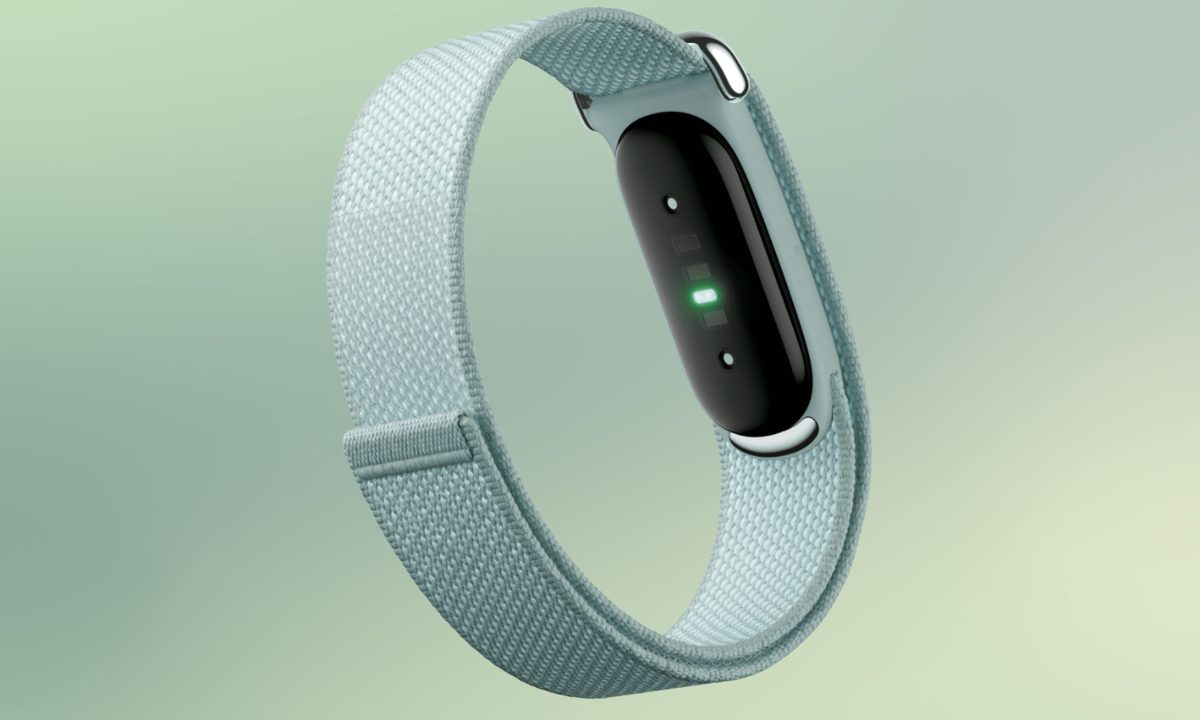
For most fitness trackers, customization starts and ends with buying a different strap. Google appears to have a much bigger vision for the Fitbit Air.
The company has published detailed design guidelines, CAD files, and certification information that effectively invite creators, developers, brands, and hobbyists to build their own accessories for the ultra-lightweight health tracker. So, Google doesn’t just want third-party Fitbit Air bands to exist — it wants people to create them. The move is a fascinating departure from the tightly controlled accessory ecosystems that dominate the wearable tech landscape. If Google gets its way, Fitbit Air owners could eventually have access to everything from designer bands and custom housings to niche accessories that would never make sense for Google itself to manufacture.
Fitbit Air’s design was built for customization
According to Google, the Fitbit Air’s hardware architecture was intentionally designed around a tiny sensor module. The tracker itself acts as a lightweight health-sensing “pebble,” while the band becomes the visual centerpiece users interact with every day. That separation creates opportunities for customization that traditional smartwatches don’t offer.

Want a minimalist silicone strap for workouts, a leather band for the office, or something more experimental for a special occasion? Google is essentially laying the groundwork for creators to build all of them. To help make that possible, the company is making 2D CAD drawings available to developers and accessory makers. Those files include measurements, attachment tolerances, and force specifications required to create compatible accessories.
The implication is clear: if you have access to design software and a 3D printer, you could theoretically create your own Fitbit Air accessories rather than waiting for official options to arrive.
Designing a band is harder than it sounds
Google’s documentation also serves as a reminder that wearable design involves much more than making something look good. Because the Fitbit Air relies on optical sensors for heart rate and blood oxygen tracking, the sensor area on the bottom of the device must remain completely unobstructed. The tracker also needs consistent contact with the skin to produce accurate readings. That means accessory makers can’t simply design a cool-looking enclosure and call it a day. If a band doesn’t hold the sensor firmly against the wrist, health-tracking performance could suffer.
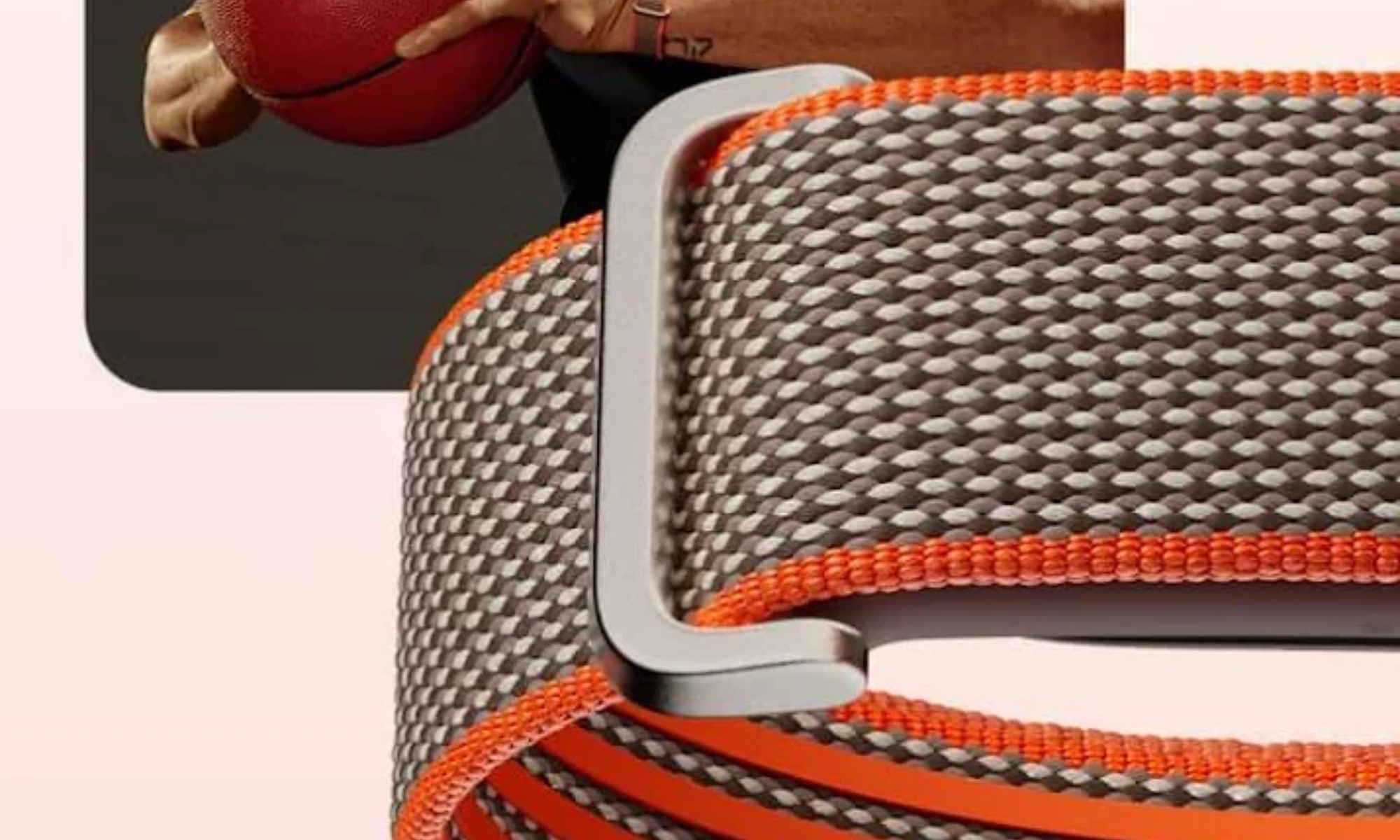
Google even provides recommendations on contact pressure, suggesting that designs maintain sufficient pressure against the skin to keep readings accurate during movement. The company says the enclosure must also meet strict tolerances for the tracker’s snap-in retention mechanism so the sensor stays securely attached during exercise while remaining easy to remove during band swaps.
The company is equally focused on material choices. Since Fitbit Air is meant for all-day wear, Google recommends using skin-friendly textiles, leathers, and metals while avoiding known irritants such as certain forms of nickel and natural latex proteins. Adhesives and coatings should also be fully cured to reduce the risk of skin reactions.
Google is building an accessory ecosystem, not just selling a tracker
Perhaps the most interesting part of Google’s announcement is what it signals about the future of Fitbit Air. The company isn’t simply releasing design files and stepping aside. Google is also encouraging brands to pursue official certification through its Made for Google program. Certified accessories can receive official compatibility branding, giving customers greater confidence that a product meets Google’s standards for fit, durability, and performance.
For manufacturers, there’s another incentive: closer collaboration with Google. Approved partners may gain access to future hardware plans before launch, ensuring accessories are ready when new devices hit the market. Google is also drawing clear boundaries around branding. Accessory makers can market products as being “compatible with Google Fitbit Air” or “for use with Google Fitbit Air,” but they can’t incorporate Google’s branding directly into product names or create designs that closely resemble official accessories.
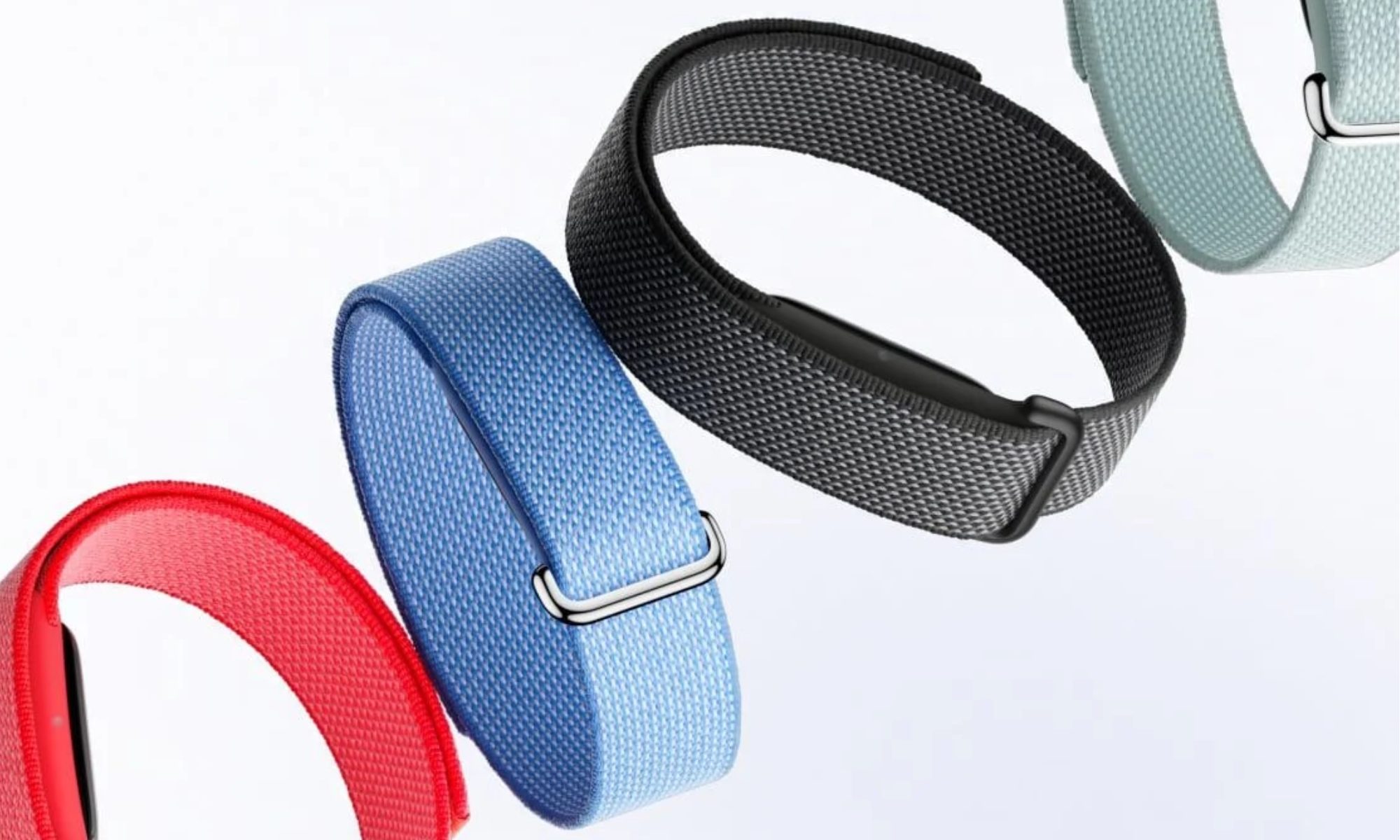
The rules are designed to keep third-party products distinct while still making compatibility clear to customers. Whether this approach sparks a thriving community of creators remains to be seen. But in a wearable market where accessories are often limited to a handful of official options, Google’s willingness to hand over the design blueprints feels refreshingly open.
If nothing else, Fitbit Air may become one of the rare consumer gadgets that actively encourages users to make the product their own — right down to designing and printing the band themselves.