  1. Home
  2. Computing
  3. News

This AI can tell a real online review from a fake one, and it’s surprisingly accurate

AI is getting really good at spotting the reviews you shouldn't trust.

Add as a preferred source on Google
hand holding a card asking for review
EmbedSocial / Unsplash

Fake reviews are a real menace for online shoppers. If you have ever bought something online based on glowing reviews only to receive a disappointingly subpar product, you know what I mean. A new study published in the International Journal of Information and Communication Technology proposes an AI-powered system that can not only detect fake reviews, but also trace how they spread.

Why existing tools keep falling short

Most existing fake review detection systems focus on the text of a review. That approach worked for a while, but fake reviewers have gotten smarter. They now pair carefully written text with misleading images to make their reviews look authentic. Text-only tools struggle to catch this, and that’s a real problem for shoppers and honest sellers alike.
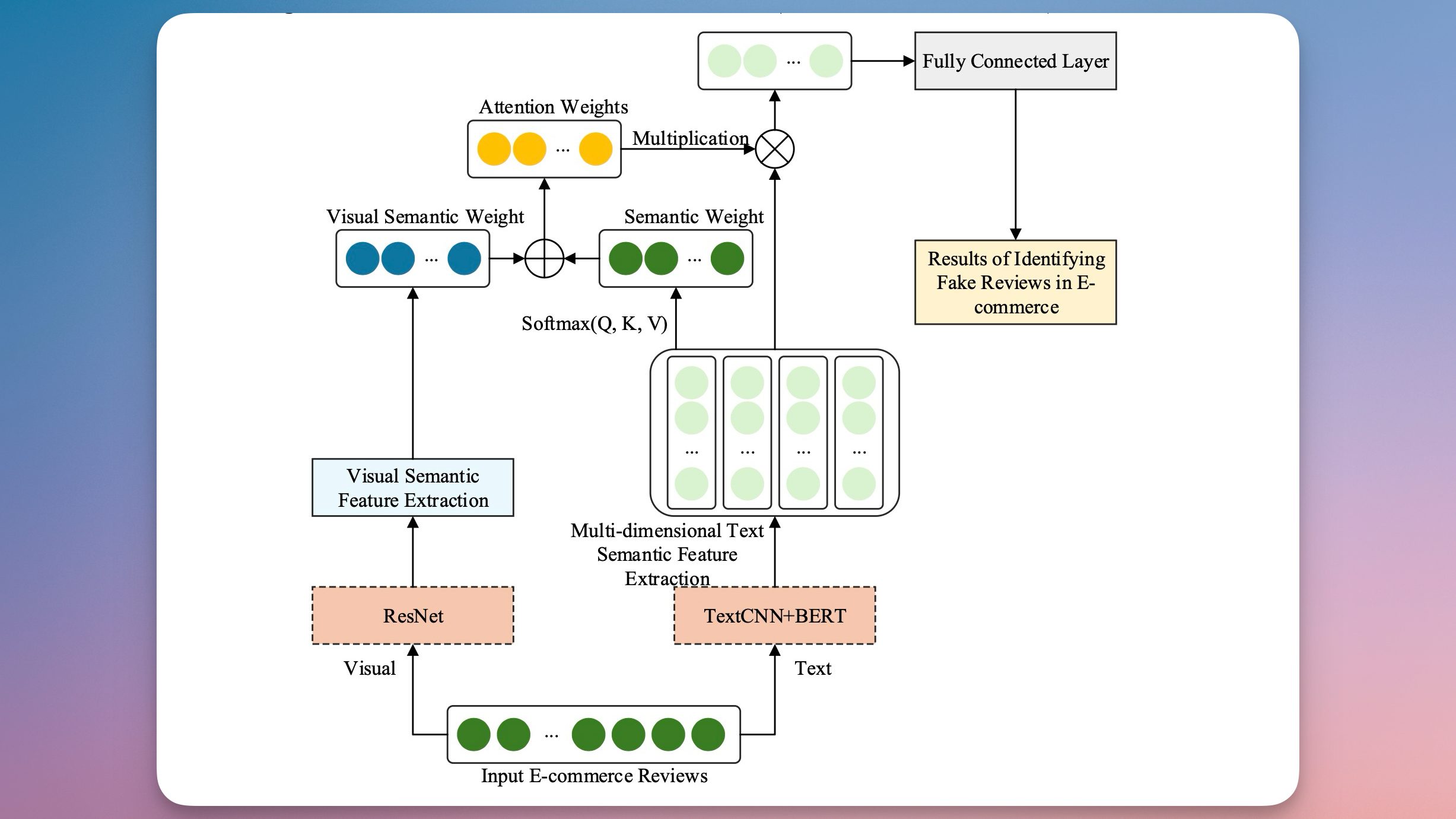
The researchers addressed this by building a system that looks at multiple signals at once. It analyzes the review text using two different methods, a text convolutional neural network and pre-trained language models, to capture both surface-level and deeper meaning in the words. It also factors in reviewer behavior, since fake accounts tend to have default profile pictures and system-generated usernames, unlike real users who tend to personalize their accounts.

Can AI really catch a fake image too?

The short answer is yes. Review images are analyzed separately using a residual network, a type of deep learning tool commonly used for processing visuals. Once all these signals are gathered, the system fuses them together to make a final call on whether a review is genuine.

Recommended Videos

When a review is flagged as fake, a Transformer model kicks in to map its origin and track how far it spread through the network.
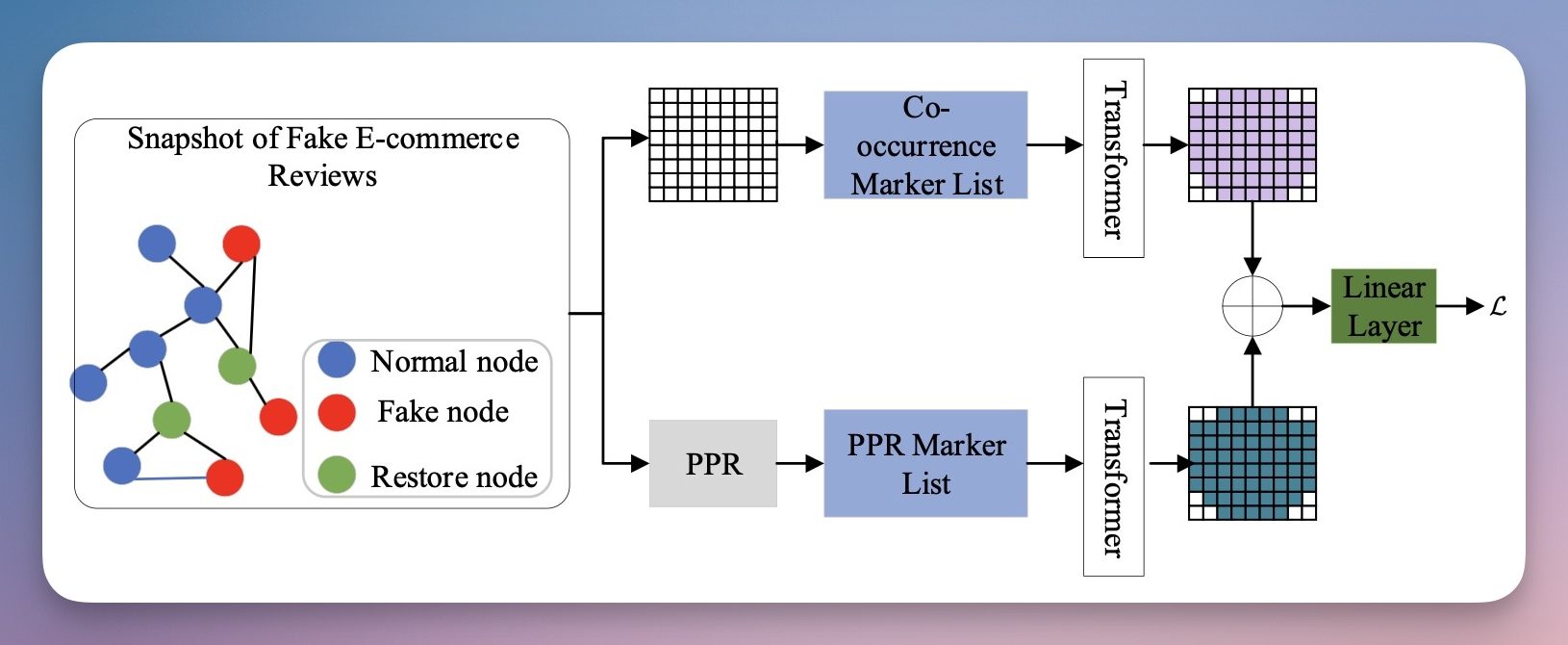
Tests on a large dataset from JD.com showed that the system achieved a recognition accuracy of 94.2% and a tracing accuracy of 93.5%, outperforming all existing methods it was compared against. This kind of accuracy could eventually mean fewer misleading reviews and more trustworthy ratings to shop by.


Rachit Agarwal
Rachit is a seasoned tech journalist with over ten years of experience covering the consumer technology landscape.
Turns out, teaching games like Battleship can make small AI models a whole lot smarter
By turning Battleship into an AI training ground, researchers helped smaller models reason more efficiently.
AI Apps installed on iPhone Gemini DeepSeek Claude ChatGPT Auren

Small AI models just got a surprising boost from a very old game.

MIT researchers used a Battleship-style setup to test whether AI agents can improve how they gather information before making a move. The result was a sharp jump in performance for smaller systems, including one model that went from rarely beating humans to winning most of its games after researchers changed how it searched the board.

Read more
Steam Machine confirmed to land this summer, but we’re still in the dark about its price
Steam Machine is getting closer to launch, with broader game verification arriving before Valve reveals what it’ll cost.
Steam Machine with Steam Controller

Valve has confirmed that Steam Machine is shipping this summer, giving PC gamers a real launch window for its SteamOS living room PC. The missing piece is still price, and that’s the detail many buyers need before they can decide whether it fits their setup.

The update came as Valve expanded its Verified program to cover Steam Machine and Steam Frame. For Steam Machine, games will be checked for default controller support, default graphics settings, and how well they run without manual setup. Valve says the hardware is roughly six times as powerful as Steam Deck, while still using SteamOS, the Steam interface, and Proton.

Read more
You may not necessarily want it, but a barrage of Googlebooks are coming from top brands
The first Googlebook wave could be bigger than expected, with multiple chip platforms and major PC brands preparing devices.
Googlebook features

Googlebook could show up with far more hardware than expected. Chrome Unboxed, citing device activity it found in the Chromium Gerrit, says as many as eight models are being tracked for a fall launch, with signs pointing to Intel, Snapdragon, and MediaTek hardware from major PC partners.

That’s a lot to sort through if you’re shopping for a Chromebook, Android tablet, Windows laptop, or MacBook later this year. A bigger first wave would give buyers more ways into Google’s new laptop push, but you’ll still need confirmed specs, prices, regions, and release dates before making a smart call.

Read more