  1. Home
  2. Computing
  3. News

Brave Origin is a minimalist browser that strips all the jargon, but you must pay $60 for that luxury

Brave Origin removes the crypto wallet, AI assistant, rewards program, and more for a one-time fee of $59.99, but critics say those features can already be disabled for free.

Add as a preferred source on Google
Brave Origin featured
Brave

Brave built its reputation as a lean, privacy-focused alternative to Chrome, but over the years it has accumulated a crypto wallet, an AI assistant, a news feed, and a rewards program. In response to user dissatisfaction with the bloat, the company has launched a stripped-down version of the browser called Brave Origin. However, you can’t have it for free unless you’re a Linux user.

What’s included and what’s gone

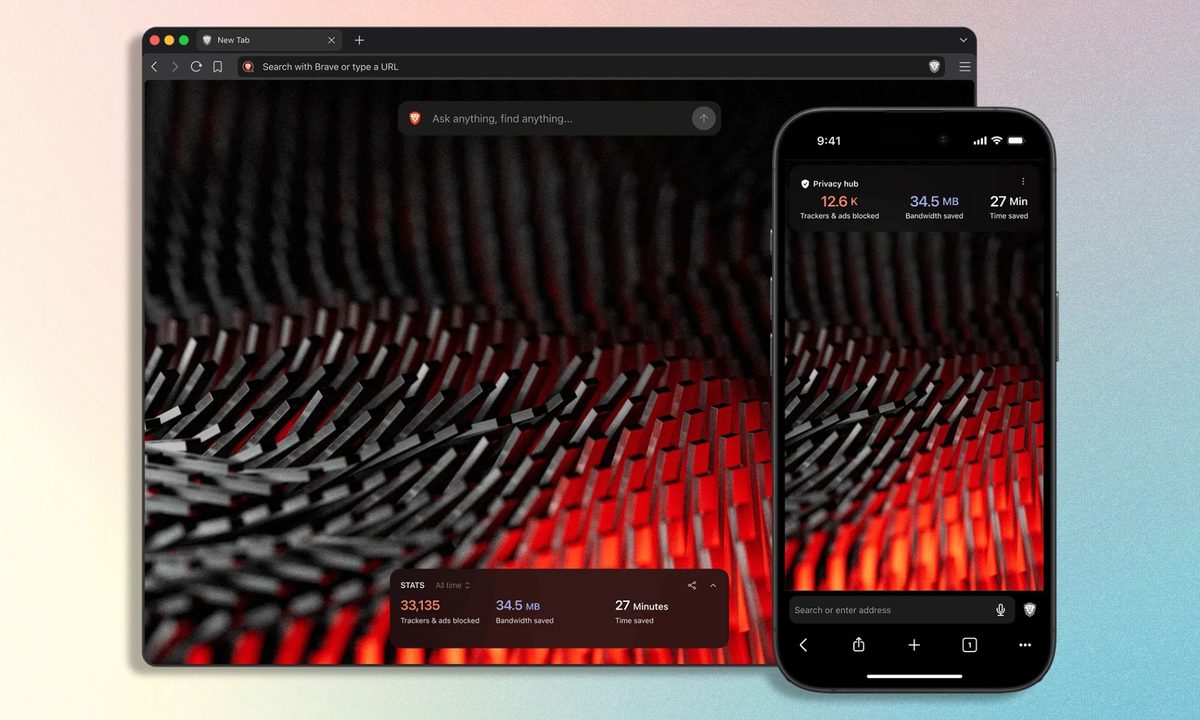
Brave Origin gets rid of Brave Rewards, Wallet, Leo AI, News, Talk, VPN, Tor, and a few other features. What stays is Brave Shields, the company’s built-in ad and tracker blocking.

There are two ways to use Origin:

1) As a standalone browser with most features outside Brave Shields disabled.
2) As an upgrade to the existing browser, with a new panel that lets you toggle features on/off.

This chart shows what features are disabled in Origin by default: pic.twitter.com/uw4SXxwjmj

— Brave (@brave) June 4, 2026

The browser is available as a standalone download or as an upgrade to an existing Brave installation for a one-time license fee of $59.99 that covers up to 10 devices. Linux users, however, don’t have to pay anything for the minimalist experience.

A paid fix for a self-made problem

The launch has drawn criticism from parts of Brave’s community. Some users argue the company is charging to remove features that were unwanted additions in the first place. Others point out that most of what Origin removes can already be disabled in the free version, raising questions about what the $60 actually buys.

Comment
byu/thrashingjohn from discussion
inbrowsers

Supporters have countered that most users will never touch those settings, and that Origin packages a cleaner experience in a way that’s actually accessible. Whether Origin is worth $60 depends on how much those features bother you, and how much you trust Brave not to add more of them later.

Pranob Mehrotra
Pranob is a seasoned tech journalist with over eight years of experience covering consumer technology. His work has been…
Brave’s new Container feature is a lifesaver for anyone juggling multiple accounts
With this feature, you won't need to open three different browsers
Brave browser 3D logo

Brave has added Containers to its desktop browser, giving users a built-in way to keep different accounts, sessions, and browsing activity separate. The feature is available in Brave 1.92 for Windows, macOS, and Linux, and is rolling out in phases over the next few days.

Containers have been a highly requested feature, especially for users who regularly switch between work, personal, developer, or creator accounts. Once enabled, they let users open tabs in separate spaces where cookies and site storage are not shared outside that container.

Read more
Intel may bring back older desktop CPUs because DDR5 is getting too expensive
Older Intel Core CPUs from 10th to 14th Gen may get a second life
Intel Core i5-12400F box sitting in front of a gaming PC.

Intel may be preparing an unusual response to the ongoing memory crunch. According to Chinese outlet ITHome, citing ChannelGate, the company’s latest production plan includes restarting production of 13th-gen and 14th-gen Core processors.

The move is expected to increase supply across Intel’s 10th, 12th, 13th, and 14th Gen CPU families, especially in mainland China. For DIY PC builders, the timing is important. DDR5 memory prices have climbed sharply, making newer platforms harder to justify for anyone trying to build an affordable gaming PC.

Read more
Amazon wants to design in-house chips for Kindles, Fire TV, and Echo speakers
Apple did it first. Amazon is doing it now, starting with 40 million chips a year and a partner most people have never heard of.
Amazon Kindle Scribe dark mode featured image.

Apple's decision to design its own chips reshaped the consumer electronics industry. Amazon may be about to make the same call, just about two decades later.

Supply chain analyst Ming-Chi Kuo reports that Amazon is preparing to shift away from externally sourced processors for its consumer electronics lineup, marking what he describes as the company's first major processor procurement change in 20 years. The transition is expected to begin in 2027.

Read more