  1. Home
  2. Phones
  3. News

Digital Trends may earn a commission when you buy through links on our site. Why trust us?

iOS 27 could change how your muscle memory swipes notifications on a phone

Add as a preferred source on Google
Number, Symbol, Text
9to5Google

Apple is reportedly preparing a potentially disruptive change to how notifications work in iOS 27 and iPadOS 27.

According to Bloomberg’s Mark Gurman, incoming notifications now slide in from the left side of the screen in internal builds of the software. On its own, that might sound like a simple visual tweak. But it appears to be part of a much larger rethink of navigation gestures — one that could force longtime iPhone users to retrain years of muscle memory.

The familiar swipe may no longer do what you expect

For years, iPhone users have relied on a simple gesture: swipe down from near the center of the screen to access notifications. That reportedly changes in iOS 27.
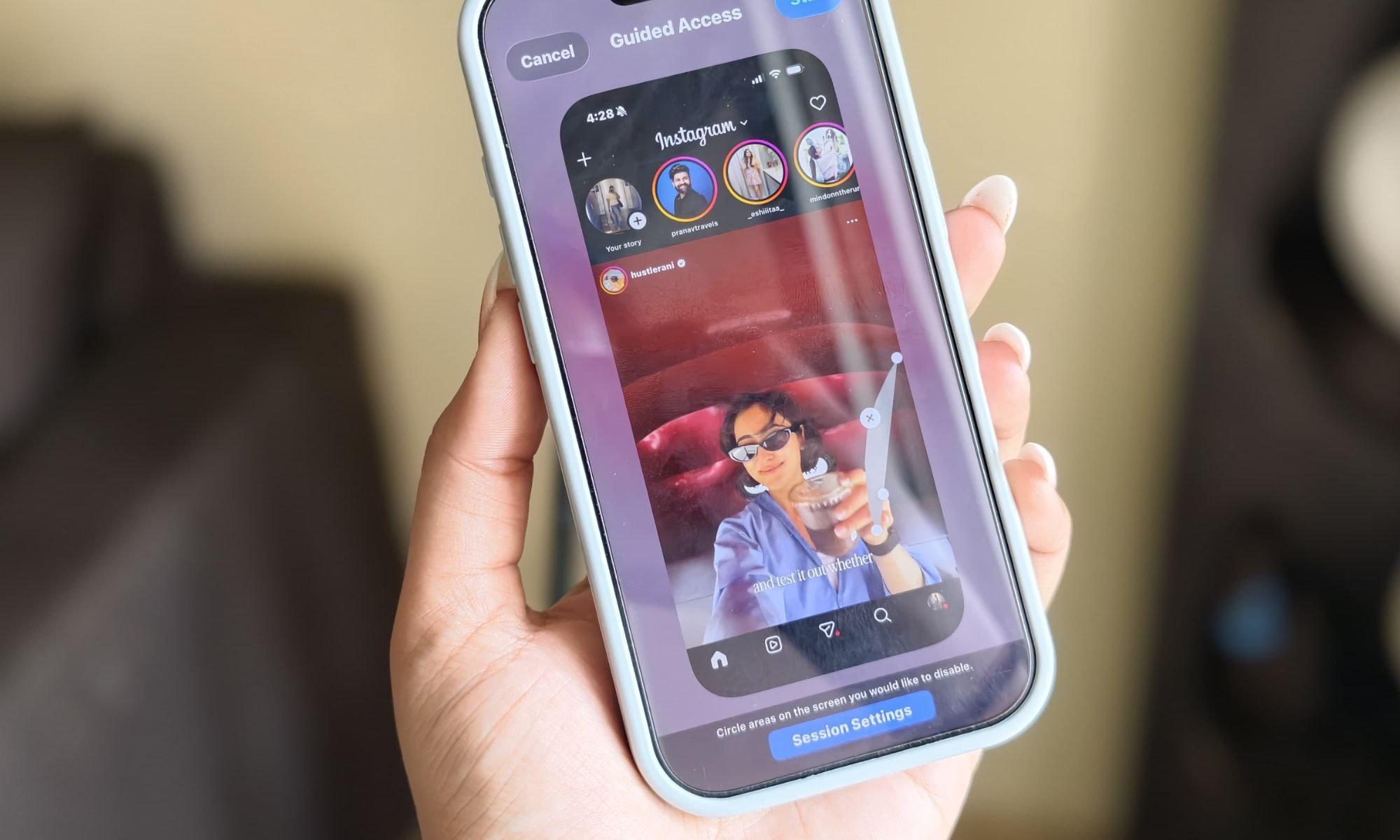
Under Apple’s new system, swiping down from the center would instead open Search or an AI-powered assistant panel. Notifications would move to a separate gesture, requiring users to swipe down from the left side of the display to access Notification Center. Anyone who has picked up a new smartphone after years on another platform knows how deeply ingrained these gestures become.

Apple’s AI ambitions may be driving the shift

The reported redesign suggests Apple wants to give Search and AI features a much more prominent role in the iPhone experience. Rather than hiding AI tools behind buttons or menus, the company appears to be assigning them one of the most natural gestures on the phone. That’s a strong signal about where Apple sees user interactions heading.
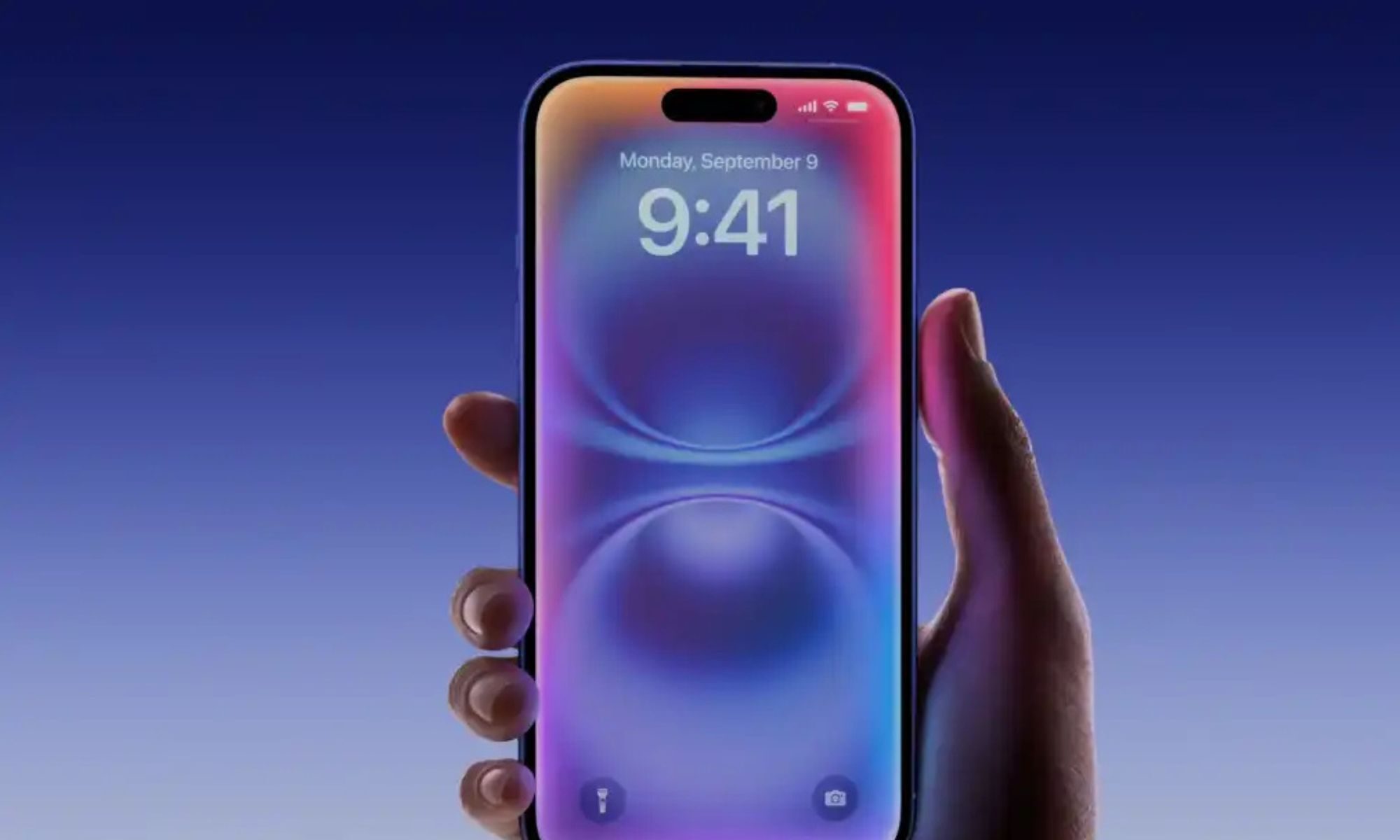
The notification animation itself also seems designed to reinforce the new behavior. If alerts now arrive from the left side of the screen, the visual cue naturally matches the new swipe direction required to view them. Whether users embrace the change is another matter. History shows that even small adjustments to familiar gestures can spark strong reactions. But if the report is accurate, iOS 27 may not just look different — it could change how millions of people instinctively interact with their iPhones every day.

Shimul Sood
Shimul is a contributor at Digital Trends, with over five years of experience in the tech space.
Smartphone screens are about to enter ridiculous refresh rate territory like gaming monitors
Camera island on OnePlus 15.

For years, smartphone makers have been locked in a race for brighter screens, thinner bezels, and sharper resolutions. Now, it looks like the next battleground could be refresh rates — and things are getting a little absurd.

A new leak suggests OnePlus is exploring a roadmap that could eventually bring 240Hz OLED displays to its flagship phones. That’s a number typically associated with competitive gaming monitors, not devices that spend most of their time scrolling through social media feeds and watching YouTube videos. According to tipster Digital Chat Station, OnePlus is considering a gradual jump through 165Hz and 185Hz panels before ultimately reaching 240Hz in future devices.

Read more
The next-gen Siri in iOS 27 might still ship as a beta experience in the early days
Electronics, Mobile Phone, Phone

Apple has spent the better part of a year trying to convince users that a smarter Siri is still on the way. Now, a new report suggests the company may be preparing expectations before the assistant finally arrives.

According to Bloomberg’s Mark Gurman, Apple is internally referring to the revamped Siri as a “beta” and “preview” product, signaling that the company may not present the software as a finished experience when it launches later this year. If that sounds familiar, it’s because Apple followed a similar playbook with the original Siri, which carried the beta label for roughly two years after its debut.

Read more
Hinge is pushing AI into dating and its boss says Gen Z needs chatbots to talk
The dating app's CEO says pandemic-era Gen Z missed the years when people learn to flirt. Her fix involves AI prompts and profile coaching.
Hinge Convo Starters featured

Gen Z daters apparently want love but can't start the conversation to get there, according to Hinge CEO Jackie Jantos. The dating app thinks a chatbot can teach them how.

Speaking to the BBC, Jantos said Gen Z users "absolutely want love" but lack the confidence to act on it. She points to the pandemic as the culprit, arguing it robbed young adults of the years when people typically learn how to flirt and socialize. The result: Gen Z now spends around 1,000 fewer hours a year with other people than those the same age did two decades ago, and nearly half of young adults in the UK report feeling lonely "often or always," she adds.

Read more