  1. Home
  2. Computing
  3. News

Google wants your app code so badly, it’s willing to pay for it

Google is paying for app code, and the reason is exactly what you think.

Add as a preferred source on Google
Google Logo
BoliviaInteligente / Unsplash

Google has been quietly reaching out to Android developers with an offer to buy access to their code. As reported by 404 Media, the company sent emails to a select group of Google Play developers, inviting them to join what it calls a “confidential content offer pilot.” 

The email frames it as a revenue opportunity, saying developers can “get paid for sharing the code powering your apps, as well as your archived projects.” Google adds that developers retain their intellectual property rights and that the license is non-exclusive.

So what does Google actually want the code for?

According to the report, the email never mentions artificial intelligence, but a link buried in it leads to a page titled “partnerships to improve our AI products.” On that page, Google openly states that it is paying for “non-public content in a range of media formats” to improve its AI models.

Recommended Videos

Connecting the dots isn’t hard. Google’s Gemini is excellent at image and text generation but has been falling behind in AI coding tools, while Anthropic has ridden the success of Claude Code to a valuation higher than OpenAI

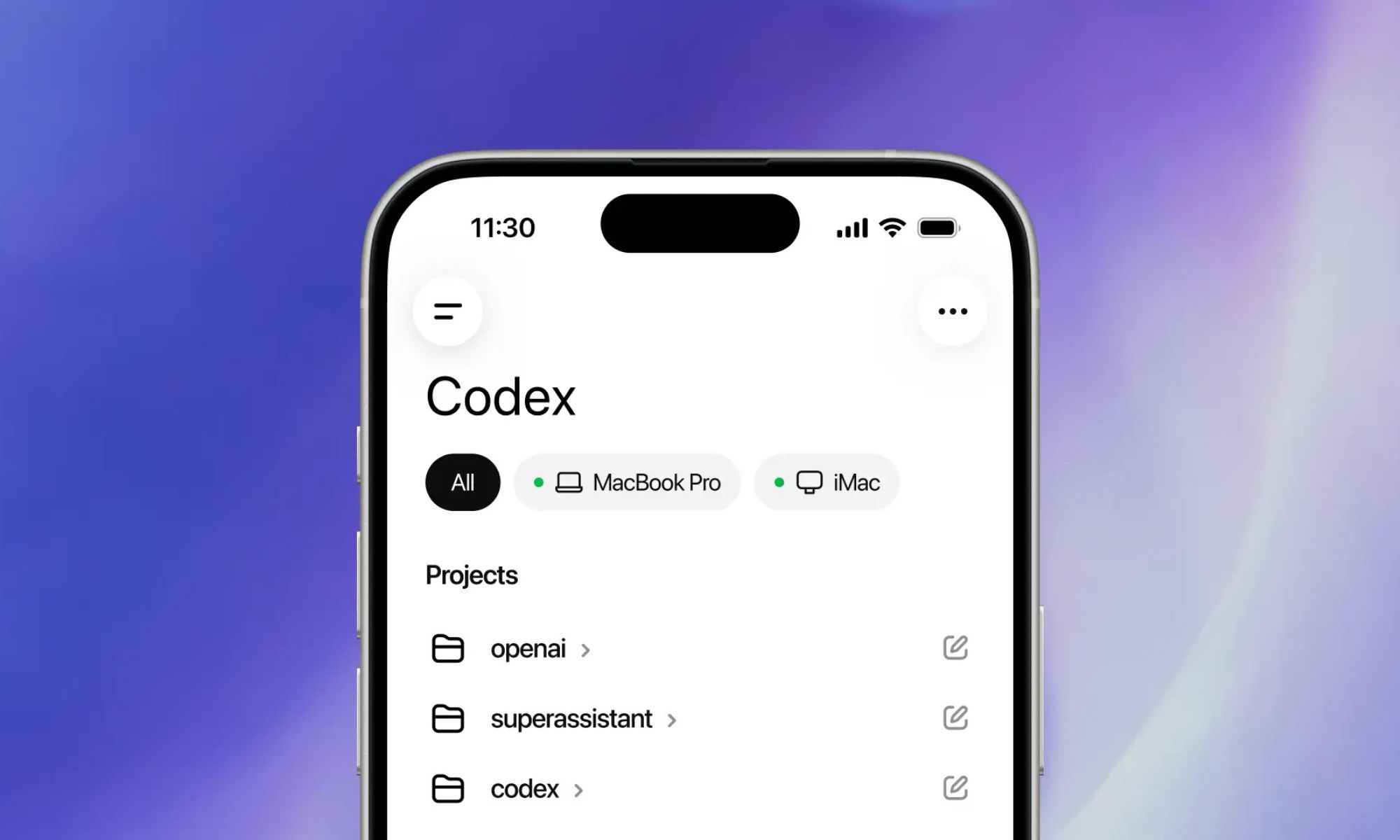
OpenAI has also launched its own Codex app, focusing on developers. At the recently concluded Google I/O, the company showcased its Antigravity 2.0 IDE that can create entire apps. 
It seems that Google wants to train its AI with real code to improve its coding capabilities, so it can compete with the likes of Claude Code and ChatGPT’s Codex. Buying real-world code from developers is a shortcut to closing that gap.
Is there anything wrong with this?

While the long-term impact can be detrimental to developers, this approach from Google is not inherently wrong. At least it’s better than training AI on hundreds of thousands of books and online publications without permission, which is something most AI companies have done.

Developers retain their IP, the license is non-exclusive, and they get paid. That said, the lack of transparency in the email is worth noting. Framing an AI data acquisition program as a simple “revenue opportunity” without mentioning AI at all feels like Google is hoping developers won’t ask too many questions.

Rachit Agarwal
Rachit is a seasoned tech journalist with over ten years of experience covering the consumer technology landscape.
This cross-device clipboard app solves the copy-paste problem I keep running into on my Mac
ClipboardAI keeps a searchable history of everything you copy
Text, Electronics, Mobile Phone

I have lost count of how many times I have copied something important, copied another thing before pasting it, and then realized the first item was gone. It is a small frustration, but it happens often enough to become annoying. I recently came across ClipboardAI, which caught my attention because it goes beyond Apple’s built-in clipboard by saving copied items into a searchable history.

Instead of replacing the last thing you copied every time, ClipboardAI keeps a searchable record of copied text, links, codes, email addresses, phone numbers, addresses, and images across iPhone, iPad, and Mac. That means an older clip does not disappear just because you copied something new.

Read more
If you miss the feel of paper in the digital age, this app gives your Mac’s screen a textured look
A paper-like screen overlay could make long work sessions feel less harsh.
Advertisement, Poster, Electronics

Most screen-comfort tools work by changing color temperature. Apple’s Night Shift makes the screen warmer, often giving everything an orange tint. Paperman is an interesting alternative because it adds a subtle paper-like texture over the display instead.

The app is available for Mac and Windows, and it is designed to make a screen look closer to paper, matte glass, or an e-ink display. It softens the harsh contrast and reduces the glossy look of modern screens during long reading or writing sessions.

Read more
I dug these last-hour Prime Day smart home, laptop, and accessory deals that are irresistible
Deals up to 60% off, a few hours left, and no reason to wait any longer.
Electronics, Phone, Speaker

Amazon's Prime Day 2026 sale is in its final hours, giving you your last chance to get your hands on the best smart home, security, tablet, laptop, and accessory deals. I've pulled together the picks that are still live, still deeply discounted, and still worth buying before the sale ends tonight or until the stock lasts.

Best Amazon Prime Day deals on smart home devices

Read more