
  1. Home
  2. Computing
  3. News

Apple could offer MacBook Ultra in two sizes with one-of-a-kind OLED display

A new report reveals the MacBook Ultra's display size, OLED tech, and launch window

Add as a preferred source on Google
macbook-ultra-sizes
Josh Sorenson / Pexels

Apple’s rumored MacBook Ultra is shaping up to be one of the most significant Mac redesigns in years, and a fresh industry report suggests it could land sooner than anyone expected. Research firm Omdia has released a new study on OLED adoption in laptops, and buried inside it are some very specific details about Apple‘s next MacBook.

What screen sizes will the MacBook Ultra come in?
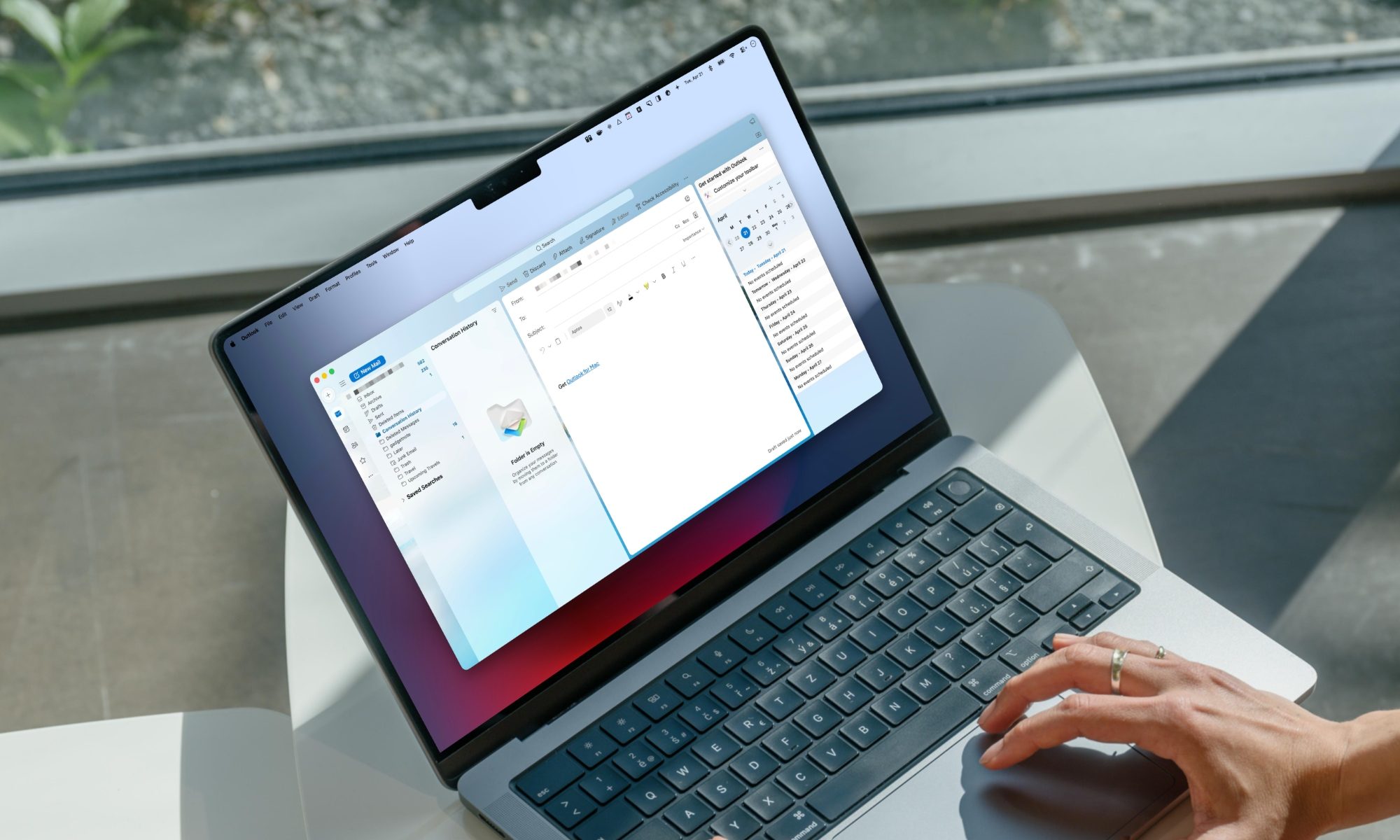
According to the report, Samsung Display will begin supplying OLED panels for Apple’s new MacBook series as early as July 2026, with the devices expected to launch in Q3 2026. That almost certainly means a September debut, likely alongside the iPhone 18 series and the foldable iPhone Ultra.

Recommended Videos

The Omdia report points to two screen sizes for the MacBook Ultra: 14.3 inches and 16.3 inches. The current MacBook Pro comes in 14.2-inch and 16.2-inch configurations, so the slight size bump likely comes from slimmer bezels and a redesigned chassis.

What makes the OLED display so different?

Apple is not using the same OLED technology found in most laptops or even its own iPhone displays. According to Omdia’s Jerry Kang, the MacBook Ultra will use a hybrid OLED architecture based on oxide TFT and RGB tandem OLED technology.
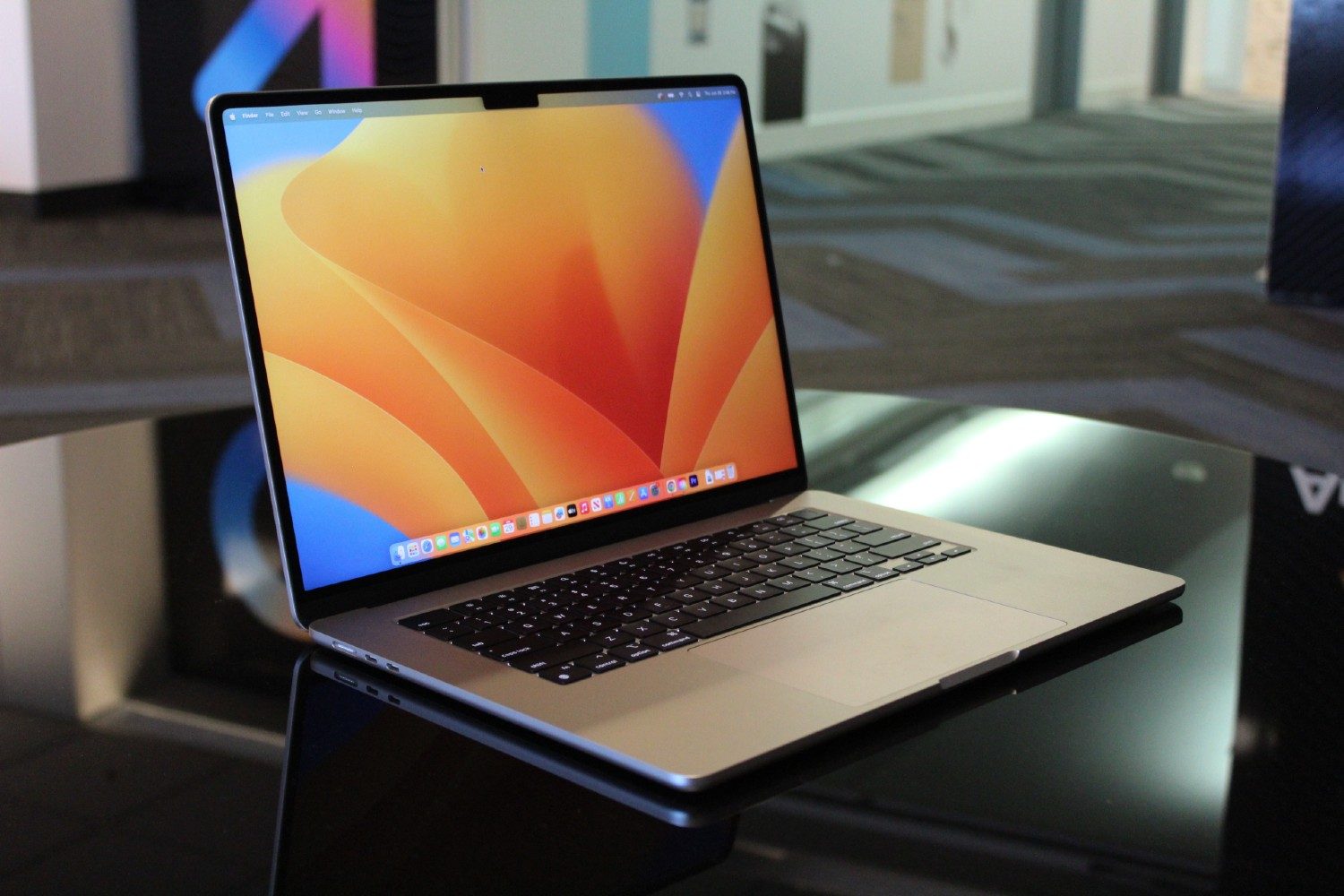
This combination has never been used in a laptop before, but it’s similar to the display technology already found in the iPad Pro. It is specifically designed to consume less power than both LTPO and single-layer RGB OLEDs. That matters because the MacBook Ultra is also rumored to be significantly thinner than the current MacBook Pro.

Apple would need a major efficiency jump to maintain the battery life its laptops are known for. This new display tech is reportedly how it plans to pull that off. The MacBook Ultra is also expected to be a new tier in Apple’s lineup, sitting above the current MacBook Pro rather than replacing it.

By the end of 2026, Apple could have its MacBook lineup running from the entry-level Neo all the way up to the Ultra, covering more ground than ever before.

Manisha Priyadarshini
Manisha Priyadarshini is a tech and entertainment writer with over nine years of editorial experience.
Gemini could soon offer a troubleshooting mode and save you a trip to help manuals
Gemini's new Troubleshooting mode offers step-by-step fixes using text responses and interactive widgets
google-gemini

Google may have just accidentally shown everyone where Gemini is headed next. According to TestingCatalog, a new Troubleshooting mode has quietly appeared inside the Gemini model picker menu for some users.

It sits alongside existing options like Gemini 3.5 Flash and 3.1 Pro, which are the standard AI models you already switch between in the app.

Read more
You can now send emails directly from ChatGPT on the web
You can now draft, edit, and send emails directly inside ChatGPT on the web
Person using ChatGPT on a MacBook.

If you have ever drafted an email in ChatGPT and then had to copy it across to Gmail or Outlook to actually send it, you can now skip that extra step.

OpenAI has rolled out the ability to send emails directly from writing blocks in ChatGPT on the web, keeping the whole process inside a single conversation from start to finish.

Read more
Turns out, teaching games like Battleship can make small AI models a whole lot smarter
By turning Battleship into an AI training ground, researchers helped smaller models reason more efficiently.
AI Apps installed on iPhone Gemini DeepSeek Claude ChatGPT Auren

Small AI models just got a surprising boost from a very old game.

MIT researchers used a Battleship-style setup to test whether AI agents can improve how they gather information before making a move. The result was a sharp jump in performance for smaller systems, including one model that went from rarely beating humans to winning most of its games after researchers changed how it searched the board.

Read more