For decades, the bathroom served a simple purpose. It was a private, functional space built around basic needs. That idea is starting to shift. Across many homes, new technology is changing how people think about hygiene, comfort, and daily routines.
Today’s bathroom is beginning to reflect the same expectations seen in other parts of the smart home. Homeowners are paying closer attention to cleanliness and long-term comfort. These changes are especially noticeable for families moving through life stages such as pregnancy, recovery, or aging.
From Basic Fixture to Integrated System
Toilets have come a long way from their early designs. In many parts of the world, especially in countries like Japan and South Korea, advanced features have been standard for years. Those ideas are now becoming more common in the United States.
The modern smart toilet often includes built-in cleansing systems, temperature controls, and automated functions. What once felt unfamiliar is now entering more homes as part of a broader shift in expectations.
Hygiene Takes Center Stage
In recent years, many homeowners have started thinking differently about bathroom hygiene. There is more awareness of how germs spread and how surfaces are used throughout the day.
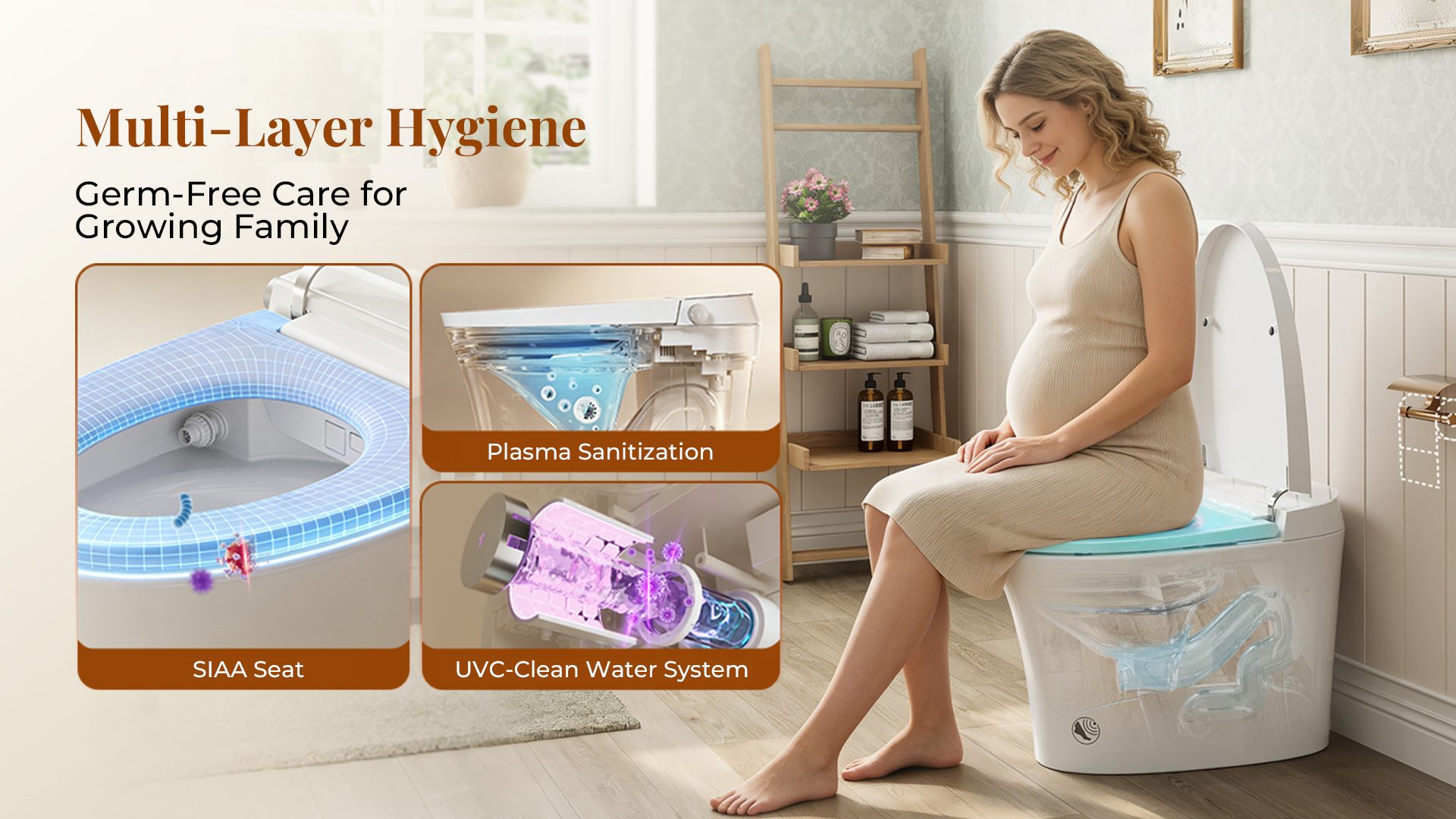
Newer systems focus on reducing exposure through features such as water sterilization and air purification. Some models use ultraviolet-based water treatment, while others use air treatment methods to improve the environment after each use.
These features reflect a larger trend. The goal is not only to clean the space but to maintain a more consistent level of hygiene without adding extra daily effort.
Designed for Real Life
Bathroom design is also becoming more responsive to physical needs. This includes people recovering from medical procedures, older adults, and those navigating pregnancy or postpartum recovery.
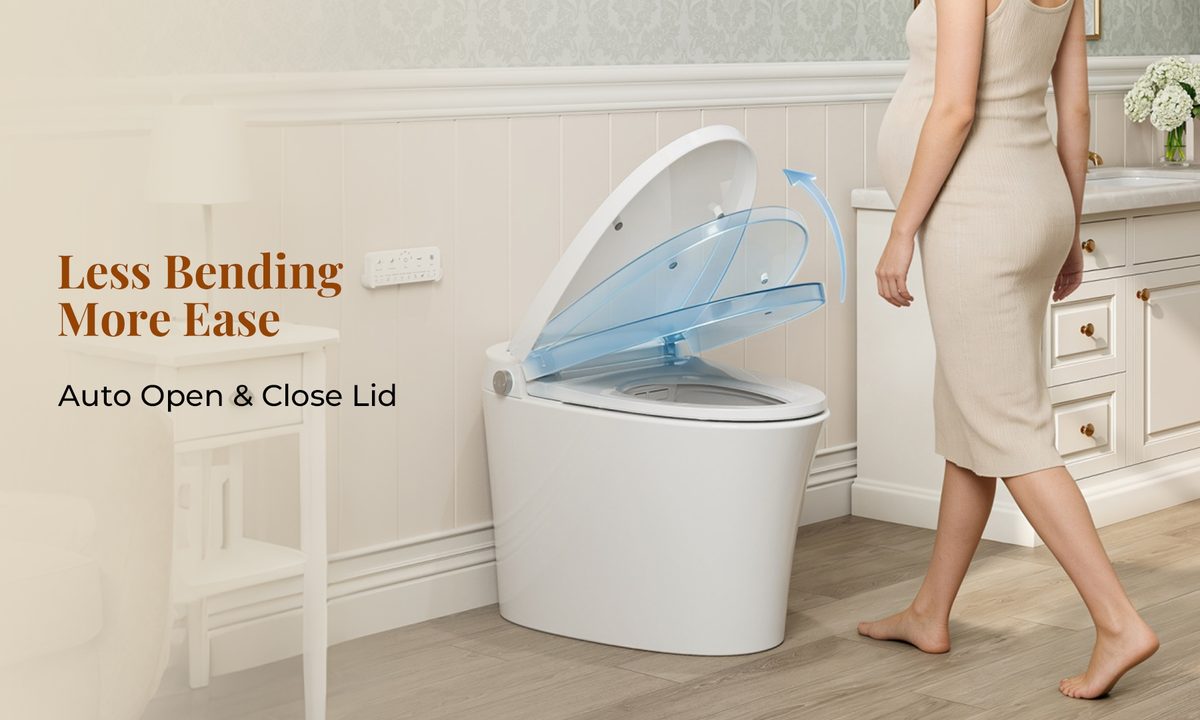
Hands-free operation has become one of the most practical changes. Automatic lids, sensor-based flushing, and remote controls can reduce strain and improve ease of use. These features can make everyday routines feel more manageable, especially during times when movement is limited.
A well-designed bidet toilet, like the one by Uncle Brown, can also provide a more comfortable experience by offering adjustable water pressure and temperature. For many households, these adjustments are less about convenience and more about maintaining comfort and independence.
Comfort Is No Longer an Extra
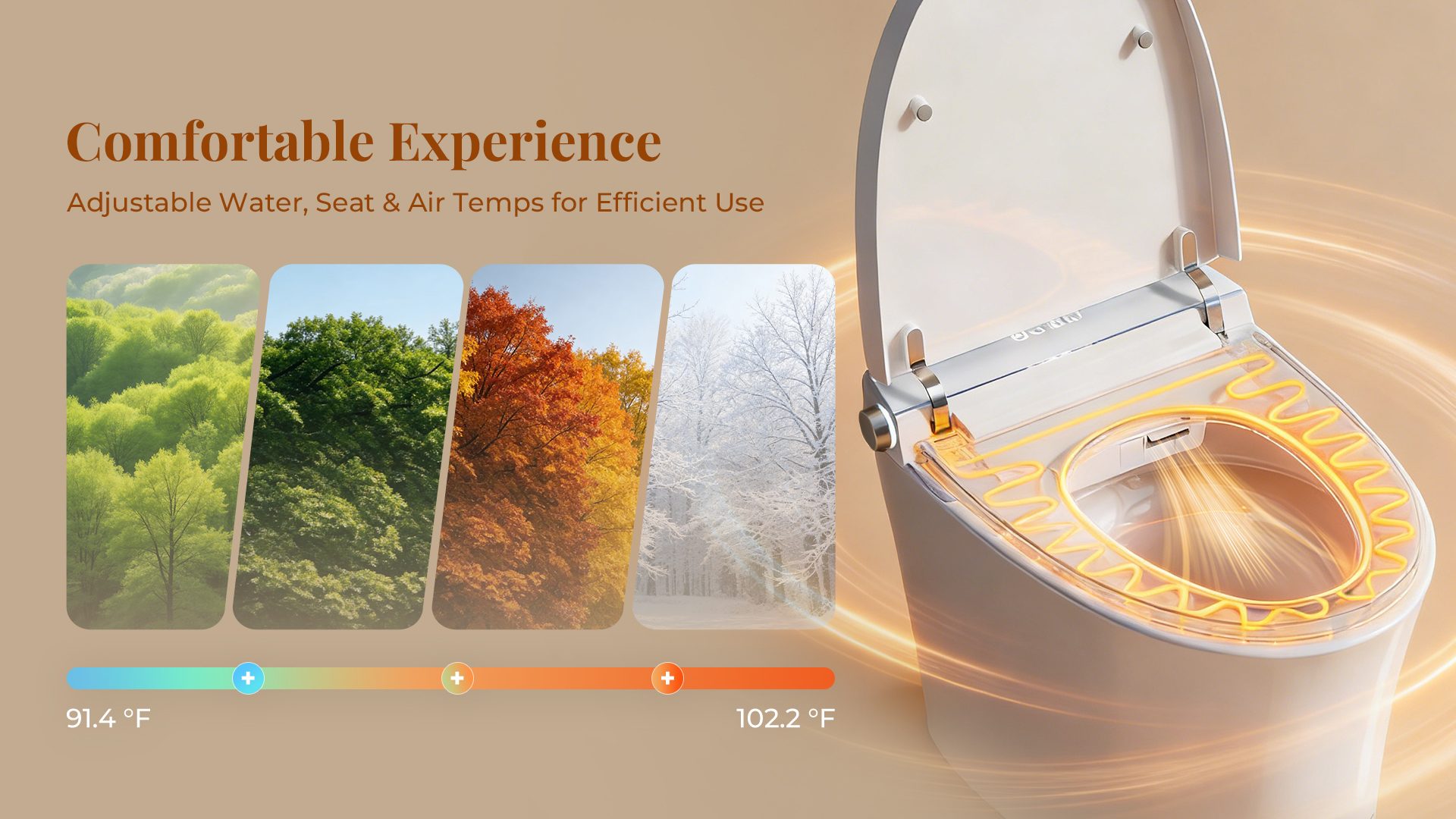
Features like heated seats, warm air drying, and customizable settings were once considered optional upgrades. Today, they are becoming more common across a wider range of products.
This shift is due to the way homeowners view private spaces. Comfort is part of how people experience their homes, even in rooms they once treated as purely functional.
Less Maintenance, More Efficiency
People are also increasingly concerned with how much time they spend cleaning. New systems are designed to reduce buildup, limit splashing, and manage odors more effectively.
Some toilets include foam barriers or high-efficiency flushing systems that help keep surfaces cleaner between uses. Over time, this can reduce the need for frequent maintenance and lower the use of chemical cleaners.
For homeowners planning a bathroom remodel or larger bathroom renovation, these features may factor into long-term planning.
A Shift Toward Everyday Accessibility
Price has also played a role in adoption. In the past, advanced bathroom fixtures often cost a lot. More recent options offer similar features at lower price points, making them more accessible to a broader range of households.
This shift is helping move smart bathroom technology into more mainstream home improvement decisions.
A New Kind of Household Space
The bathroom is no longer viewed only as a place for routine tasks. It is becoming part of a larger conversation about health, comfort, and daily living.
For many homeowners, these changes are not about adding complexity. They are about creating a space that works more naturally with how people live. As technology continues to evolve, the bathroom may move closer to that goal.