  1. Home
  2. Computing
  3. News

Digital Trends may earn a commission when you buy through links on our site. Why trust us?

Apple’s biggest MacBook Pro redesign in years may skip the chip everyone expected

The next MacBook Pro may bring OLED and touch support without M6 Pro silicon

Add as a preferred source on Google
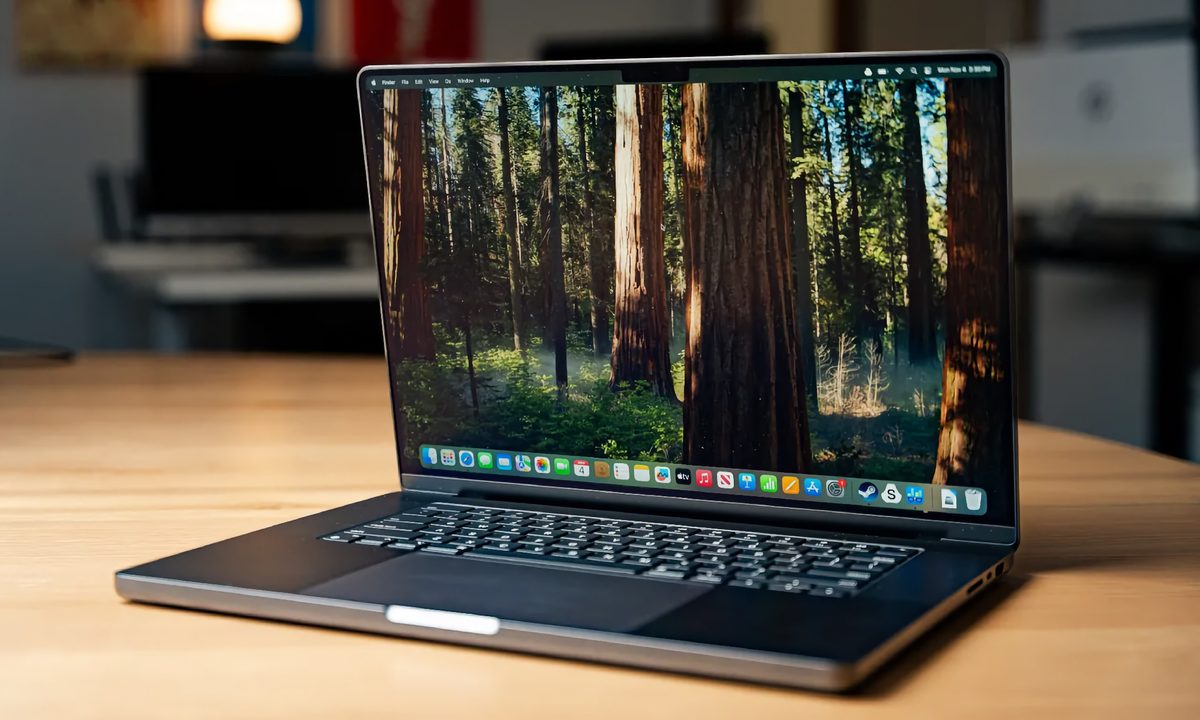
MacBook Pro on Table
Chris Hagan / Digital Trends

Apple is expected to launch a refreshed MacBook Pro later this year, but according to Bloomberg, it won’t come equipped with a next-gen processor. Instead, Apple is going to equip the highly anticipated device with Pro and Max variants of the current-gen M5 silicon.

It was widely speculated that when the redesigned MacBook with an OLED display and touch-screen capability debuts, it will also mark the arrival of the M6 series processors. Well, it appears that Apple has changed its silicon strategy pretty significantly.

Apple’s M6 lineup could be surprisingly limited

The outlet recently reported that Apple will only offer the upcoming M6 processor in a baseline build, which means there won’t be an M6 Pro, M6 Max, or M6 Ultra version on the table. Instead, Apple is returning to the multi-processor strategy when it launches the M7 silicon next year.

OLED could still be the big upgrade

Apple is expected to offer the updated MacBook Pro in 14-inch and 16-inch flavors. Not much is known about the aesthetic changes, but the display is going to be the showstopper. After years of sticking with mini-LED panels, Apple will finally switch to OLED panels, which means numerous improvements in terms of color contrast, brightness, and viewing angle.

Another major change is that the bucket-shaped notch at the top of the screen will finally go away. Instead, the upcoming MacBook Pro will adopt a punch-hole look, inspired by the pill-shaped cutout on the iPhone. “The Dynamic Island on the Mac will be built around a hole-punch-sized cutout for the computer’s camera. It’s smaller than the pill-shaped notch in current iPhones,” says the report.  

Recommended Videos

As per Bloomberg, Apple is already prepping successors that will come equipped with an M7-series processor. Interestingly, the company is also eying an OLED display treatment for the MacBook Air down the road. 

Nadeem Sarwar
Nadeem is the Managing Editor at Digital Trends.
You may have to wait until 2027 for Macs with Apple’s best chips
Lighting, Purple, Computer Hardware

If you’ve been holding off on buying a new MacBook Pro because the next generation of Apple Silicon is just around the corner, you might want to reset your expectations.

A new report by Bloomberg’s Mark Gurman suggests Apple is making its biggest change yet to the Mac chip roadmap. Instead of releasing a full family of M6 processors like it has with every generation since the original M1, the company is reportedly planning to launch only the standard M6 chip first. The more powerful Pro and Max variants? They may not arrive until 2027, and they’ll reportedly skip the M6 branding altogether.

Read more
I found these two Prime Day flagship laptop deals for display snobs and practical buyers
Samsung has the sharper discount and OLED screen, while Microsoft is the simpler Windows clamshell buy under $1,000.
Samsung Galaxy Book5 Pro 360 front view showing tend mode.

A flagship laptop deal has to survive the full spec check: chip, RAM, storage, display, seller, and final price. These two listings pass that test in different ways, which is why they’re the first pair I’d compare before chasing louder Prime Day discounts.

Samsung Galaxy Book5 Pro 360

Read more
Your Windows 10 PC just got an extra year of security updates, here’s how to get it for free
Free Windows 10 security updates now run through 2027, with three easy enrollment options.
Windows 10

If you are still running Windows 10, Microsoft just handed you some breathing room. The company has quietly extended its free Extended Security Updates program for consumer devices by a full year, pushing the new cutoff to October 12, 2027.

The surprising part is that there was no big announcement. Microsoft simply updated its ESU support page and tucked an editor's note onto a year-old blog post, and that was that.

Read more