Ask most players why they subscribe to Xbox Game Pass, and they’ll probably mention day-one Xbox exclusives. But developers have long viewed the service differently. For many indie studios, a Game Pass deal wasn’t just extra exposure — it was financial security before launch.
Landing a Game Pass deal often meant guaranteed revenue before a game even launched, reducing the financial gamble of releasing an indie title into an increasingly crowded market. Now, that safety net may not be as dependable as it once was.
A pause no one saw coming
Speaking on The Business of Video Game Podcast, publishing executive Mike Rose claimed that developers who were deep in negotiations with Microsoft for Game Pass agreements have unexpectedly seen those discussions grind to a halt. According to Rose, multiple studios were reportedly close to finalizing deals before they were abruptly paused. While he stopped short of saying Microsoft had canceled the agreements outright, his impression is that the company is pressing pause while it figures out its next move.
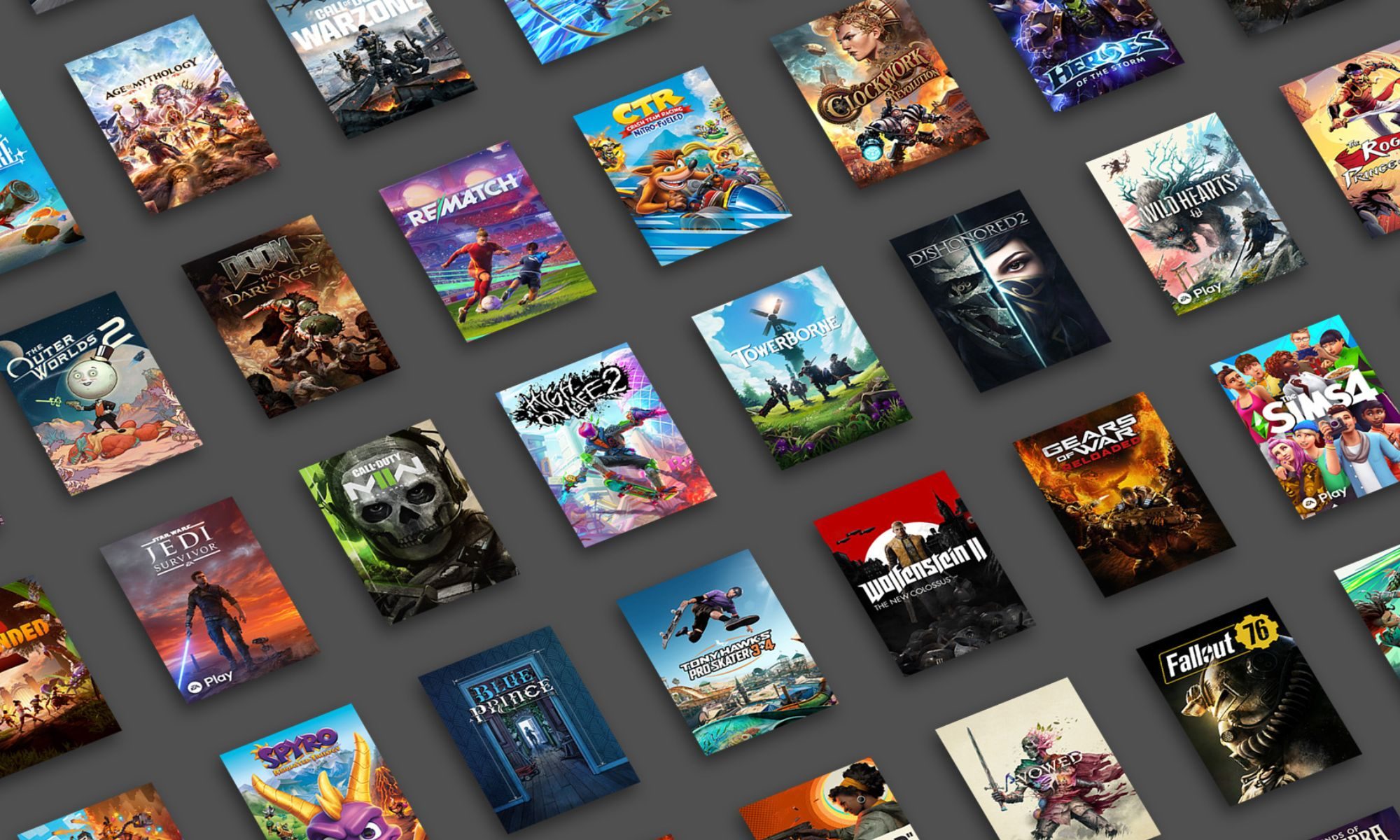
That’s hardly an insignificant claim. For many independent studios, a Game Pass partnership isn’t just another distribution channel — it’s part of the business plan. Microsoft hasn’t publicly addressed the reports, and the company hasn’t commented on the claims.
Reading the room, one move at a time
The timing also raises eyebrows. Microsoft is already in the middle of what Xbox leadership has described as a reset for its gaming business. Reports suggest more layoffs could be on the horizon, with some studios potentially facing closure. Against that backdrop, it wouldn’t be surprising if new spending commitments were temporarily slowed while broader priorities are reassessed. It’s also worth noting that Game Pass has undergone several changes recently. Microsoft has adjusted subscription pricing, changed how certain blockbuster releases, such as future Call of Duty games, arrive on the service, and increased Xbox console prices in several markets.
None of these moves necessarily point to trouble for Game Pass itself. The service remains one of Xbox’s biggest competitive advantages. But if reports of stalled third-party deals prove accurate, it could signal a shift in how Microsoft invests in the catalog that made Game Pass feel so compelling in the first place. For subscribers, that may not be immediately noticeable. For indie developers hoping Game Pass could help launch their next game, however, the uncertainty could be much harder to ignore.