  1. Home
  2. Emerging Tech
  3. News

You can now generate images with Gemini’s memory without paying a dime

Add as a preferred source on Google
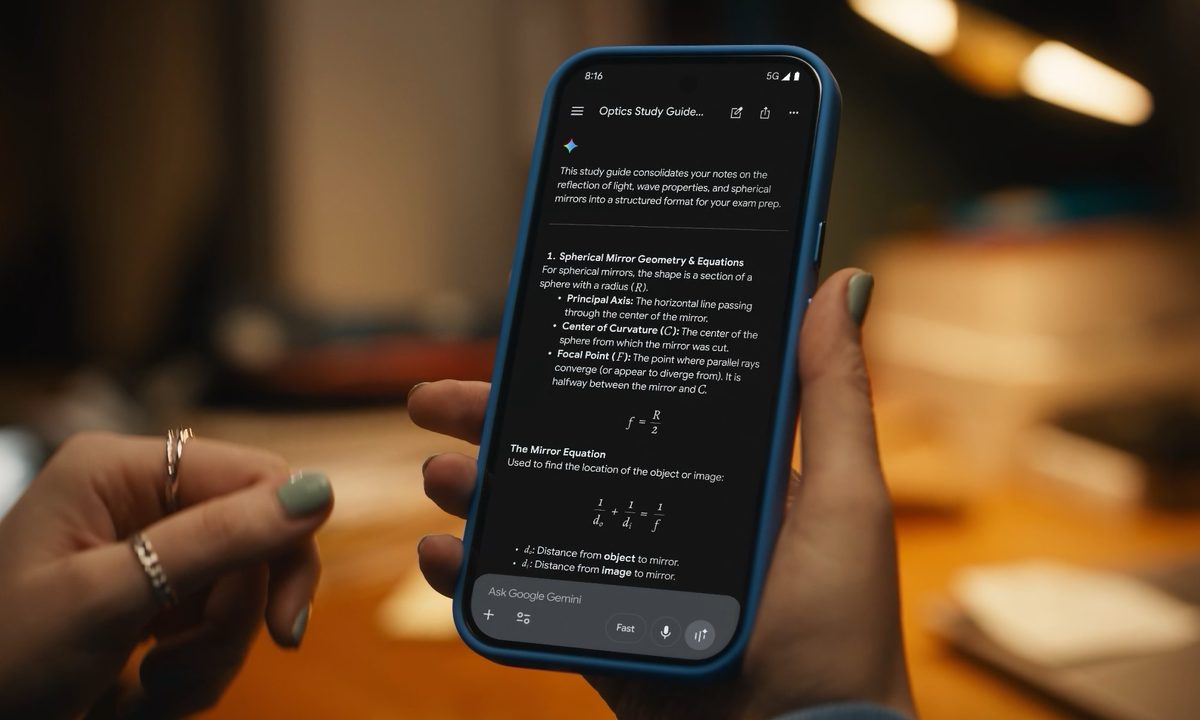
Study guide created by Gemini
Google

Google has made one of Gemini’s most interesting AI tricks a lot easier to try. The company is rolling out its personalized image generation feature to eligible U.S. users for free, removing a paywall that previously kept it exclusive to Gemini’s paid tiers.

Powered by Google’s Nano Banana image model, the feature does more than generate pretty pictures; it taps into Gemini’s understanding of you, making AI-generated images feel surprisingly personal.

Let Gemini connect the dots

Normally, getting an AI image to match your personality means stuffing your prompt with details about your hobbies, favorite foods, pets, or travel habits. Gemini now skips much of that. If you opt into Personal Intelligence, Gemini can draw on context from connected Google services, such as Gmail, Google Photos, YouTube, and Search, to better understand your interests. Instead of painstakingly listing everything you love, you can simply ask it to create an illustration of “me and my favorite things,” and it’ll fill in the blanks using what it already knows about you.
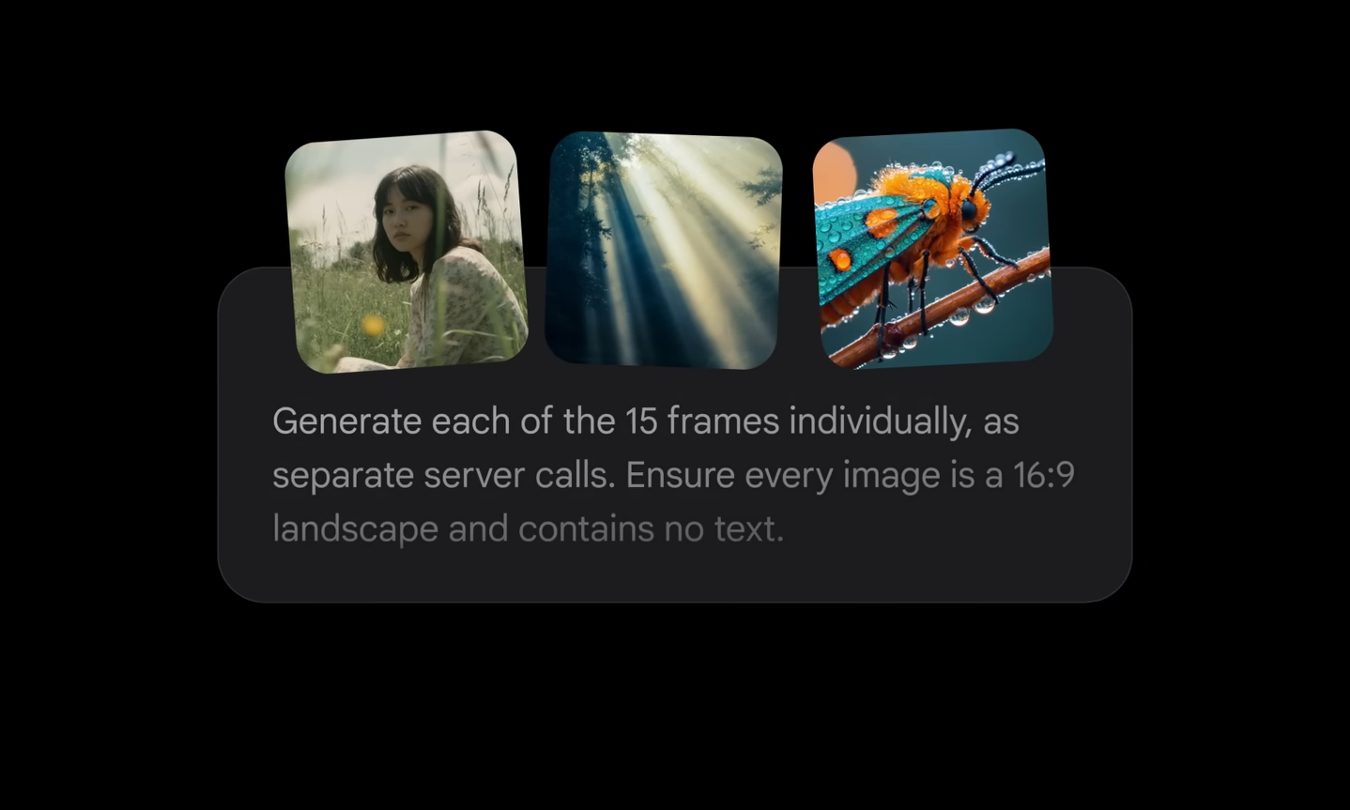
The feature can even pull photos from your Google Photos library, so you don’t have to upload reference images every time you want AI artwork that actually resembles you. Of course, this level of personalization isn’t automatic. Personal Intelligence is entirely opt-in, and Google lets you choose which services Gemini can access. Once enabled, it’s used by default for prompts, though a new toggle in the Tools menu lets you switch it off whenever you’d rather keep things generic.

This is bigger than a freebie

This rollout is another sign that Google wants Gemini to evolve from a chatbot into a digital assistant that genuinely knows its user. Personal Intelligence first became widely available in the U.S. earlier this year before expanding to India and Japan, and personalized image generation feels like the next logical step.

It also fits into Google’s broader Gemini roadmap. Recent announcements include a Daily Brief feature, a refreshed app experience, access to its latest AI video capabilities, and an upcoming personal AI agent called Gemini Spark. With Gemini already crossing the 750-million monthly active user mark, Google clearly isn’t slowing down. Making one of its more impressive AI image features free could be another smart way to convince curious users that Gemini is worth keeping around — even after the novelty of AI chatbots wears off.

Shimul Sood
Shimul is a contributor at Digital Trends, with over five years of experience in the tech space.
Meta’s Brain2Qwerty v2 turns thoughts into text, and it doesn’t need brain implants
The latest AI model decodes brain signals into coherent sentences using external scanners.
Meta Brain2Qwerty v2 Featured

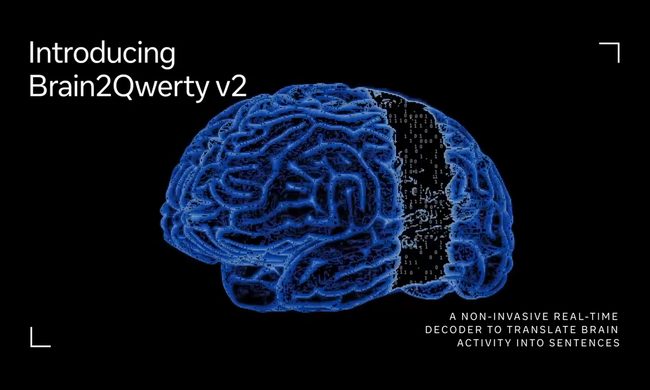
Artificial intelligence is getting surprisingly good at understanding humans. Now, Meta wants it to understand our brains too. The company has unveiled Brain2Qwerty v2, an upgraded AI system that can translate brain activity into full sentences, all without requiring brain implants or surgery. The goal isn't mind reading for the masses. Instead, it's to help people who have lost the ability to speak communicate again.

How a Brain-powered keyboard works

Read more
AI chatbots can often feed into your delusions. Researchers say you should look for three signs
Experts warn that chatbot design choices can reinforce unhealthy beliefs in vulnerable users.
ChatGPT on a smartphone

Artificial intelligence chatbots have become incredibly good at sounding human. But a new review paper by psychiatrist Marc Augustin and fellow researchers Thomas A. Pollak and Helen Morrin, published in NPP—Digital Psychiatry and Neuroscience, argues that existing AI research points to an overlooked psychological risk. The paper, highlighted by The Wall Street Journal, reviews previous studies and proposes a framework explaining how three common chatbot behaviors can combine to reinforce delusional thinking in vulnerable users, creating what the authors call an "amplification spiral."

Researchers say these are the three warning signs

Read more
Lost access to your crypto wallet? Don’t Google your way out of it
Security researchers warn that fake recovery tools are becoming the latest trap for crypto owners.
Bitcoin crypto wallet featured

Forgetting the recovery phrase to a crypto wallet can be stressful enough. Unfortunately, that's exactly the moment scammers are waiting for. A new warning highlights a growing scam in which cybercriminals disguise malware as cryptocurrency recovery software, tricking desperate users into handing over far more than just access to their wallets.

The fake recovery tool that's actually malware

Read more