
  1. Home
  2. Emerging Tech
  3. News

China’s UBTech unveils eerily lifelike companion robots, and yes, they want to move in with you

UBTech's new humanoid robots are built for companionship, using emotion-aware AI, long-term memory, and humanlike expressions to become part of your everyday life.

Add as a preferred source on Google
UBTech Uworld U1 series robot launch
UBTech

A humanoid robot designed to live in your house, learn your habits, and pick up on your mood without being prompted is no longer science fiction. Shenzhen-based UBTech Robotics unveiled its Uworld U1 series this week, introducing three robots built for companionship rather than factory work or household chores.

A body that moves like yours, and a brain that reads how you feel

The lineup includes the semi-torso U1 Lite, the full-body U1 Pro, and the high-performance U1 Ultra, priced starting at 119,800 yuan (~$17,650). According to the company, each model features 88 degrees of freedom and a dual-pivot biomimetic cervical spine that can replicate up to 90 percent of basic human movements.
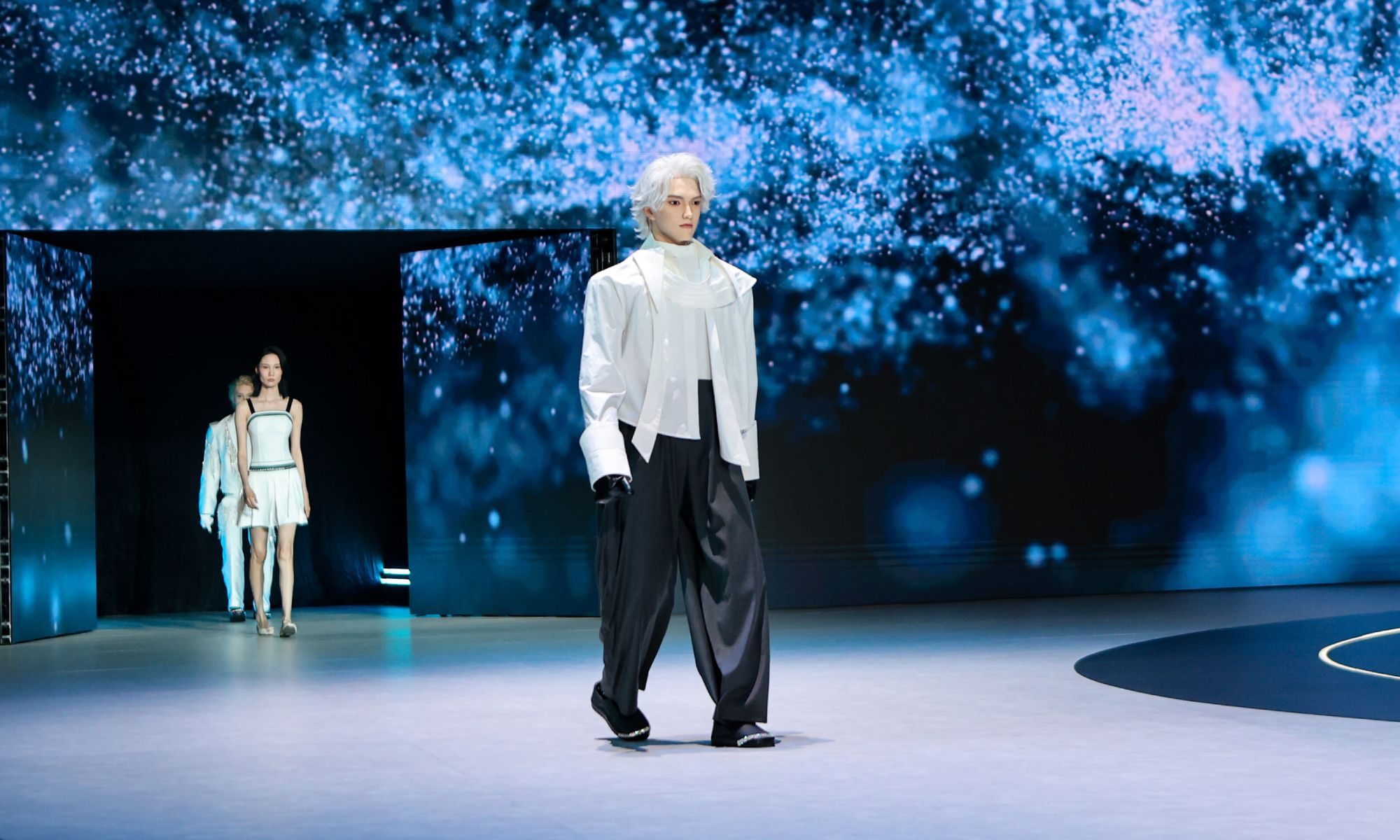
UBTech says the robots’ facial expressions and lip movements synchronize with speech in as little as 20 milliseconds, making conversations feel almost natural. A “fast-and-slow brain” architecture combines quick reactions with deeper reasoning, allowing the robot to respond in around half a second while more complex processing happens in the background.

Robots from China are ready to become your soul companion. 🤖

Today (June 30), Chinese robotics company UBTech officially launched the U1 Series — a full-size ultra-bionic humanoid robot.

Equipped with a nurturing emotional AI model, it features soft synthetic skin, incredibly… pic.twitter.com/EJ2d8mDol5

— TechHorn Lab (@ZyvoraXia) June 30, 2026

The biggest selling point, however, is emotional intelligence. UBTech claims the U1 series runs on the world’s first large language model designed specifically for long-term emotional companionship. The system can reportedly identify more than 20 emotional states with a claimed accuracy of 90 percent, while an onboard memory platform called Agent Memory OS allows the robot to remember people, preferences, and household routines over time. The company also says the robots can proactively engage with users based on context, eliminating the need for a wake word.

Betting on loneliness as a market

UBTech is openly positioning the U1 series as a response to loneliness and social isolation. The company cites China’s population of more than 90 million adults living alone and 118 million “empty-nest” seniors as evidence of a growing need for long-term companionship technologies. As part of a new Human-Robot Companionship Initiative, it plans to donate customized U1 robots this year to children separated from their parents, seniors living alone, and families facing difficult circumstances.

Recommended Videos

Those customized units push the concept into far more unsettling territory. According to UBTech, the robots will utilize 3D facial reconstruction and voiceprint replication technologies to recreate the appearance and voice of a specific person. Combined with long-term memory systems and emotion-focused AI models, the goal is to provide personalized emotional support. The company says user data will remain protected through a privacy framework that prioritizes local processing and minimizes cloud dependence.

Still, the idea of a humanoid robot that can mimic a missing parent, an absent partner, or a deceased loved one feels less like a consumer gadget and more like something pulled straight from a particularly uncomfortable episode of Black Mirror.

Pranob Mehrotra
Pranob is a seasoned tech journalist with over eight years of experience covering consumer technology. His work has been…
This $249 LED sign wants to fix your work-life balance
My productivity isn't worth $249... or is it?
Flipper Busy Bar

Flipper Devices has built a reputation among hackers and hardware enthusiasts with the Flipper Zero, a pocket-sized gadget capable of interacting with RFID, NFC, Bluetooth, and other wireless protocols. Now, the London-based company is taking a very different approach.

Its latest product, the Busy Bar, is a desktop productivity display designed to help users stay focused, signal their availability, and automate parts of their workflow. After being teased last year, the device is finally going on sale on July 14. While the concept is genuinely clever, its starting price of up to $249 may make many buyers think twice.

Read more
FAA clears the runway for Mach flights that could cut travel times nearly in half
New regulations could dramatically reduce travel times while keeping sonic booms under control.
Supersonic Flight Time

The dream of flying faster than the speed of sound just took a major step forward. The Federal Aviation Administration (FAA) has announced a proposed rule that would create the first noise-based certification standards for a new generation of supersonic passenger aircraft, removing one of the biggest regulatory hurdles standing in the way of commercial Mach 1+ flights.

The goal is simple: fly faster without the boom

Read more
NotebookLM’s 60-second videos turned my doomscrolling curse into something useful
Electronics, Mobile Phone, Phone

Short videos have taken over just about every app we use. You scroll through them on X, lose track of time on Instagram, watch them on YouTube, and now even Netflix has its own bite-sized feed. So when I heard that Google was bringing the format to NotebookLM, it felt both surprising and completely inevitable at the same time.

Google has announced Short Video Overviews for NotebookLM, a feature that turns dense documents and complicated sources into 60-second vertical videos that explain key ideas. Instead of staring at pages of notes, you get a quick visual walkthrough of the concept you're trying to understand.

Read more