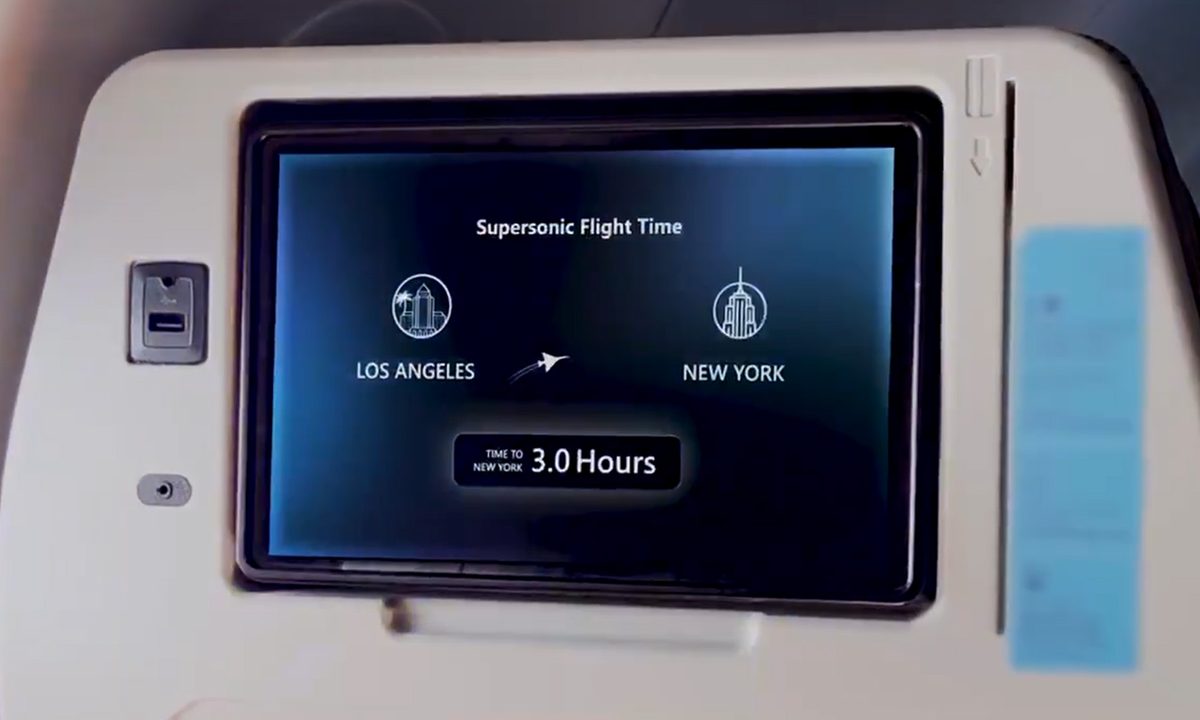
The dream of flying faster than the speed of sound just took a major step forward. The Federal Aviation Administration (FAA) has announced a proposed rule that would create the first noise-based certification standards for a new generation of supersonic passenger aircraft, removing one of the biggest regulatory hurdles standing in the way of commercial Mach 1+ flights.
The goal is simple: fly faster without the boom
For decades, overland supersonic flights have been heavily restricted because of the disruptive sonic boom created when aircraft break the sound barrier. The FAA now says advances in aerospace engineering, materials science, and noise reduction mean future aircraft could fly at supersonic speeds without producing the traditional ground-level sonic boom, allowing regulators to rethink rules that have existed since the 1970s.
The agency also plans to introduce a second set of rules later this year covering takeoff and landing noise, giving manufacturers a clearer certification path for future supersonic aircraft. According to the announcement, the FAA aims to finalize both regulations by mid-2027.
Flights could eventually take half the time
If these aircraft become commercially viable, the payoff could be significant. The FAA notes that Mach 1 aircraft travel at roughly 770 mph or more, compared to the 550–600 mph cruising speed of today’s commercial airliners. That means journeys that currently take six hours could one day be completed in around three, dramatically shrinking travel times for both passengers and cargo.
It’s worth noting that this isn’t the launch of a new airplane, nor does it mean supersonic flights are arriving overnight. What the FAA has announced is the regulatory groundwork needed to make them possible. If manufacturers can meet these new safety and noise standards, the next generation of commercial air travel could look and sound very different from today’s skies.