
  1. Home
  2. Computing
  3. Emerging Tech
  4. News

Study finds humans will talk to AI ghosts of the dead as reincarnations, and it’s pretty grim

The first AI ghost study is in. The results are about as complicated as you'd expect.

Add as a preferred source on Google
VR Headset, Person, Face
MBC Media / YouTube / CU Boulder

A new study from the University of Colorado Boulder confirms something that sounds both impressive and concerning. People find interacting with AI simulations of their dead loved ones deeply meaningful, and most will come away wanting to do it again.

The researchers call it a “generative ghost,” which is a clear reference to generative AI, but I’d still prefer to call it unsettling.

So what did the study actually find?

Doctoral candidate Jack Manning and associate professor Jed Brubaker recruited 16 participants aged 22 to 50, all of whom had lost someone close to them. 

Recommended Videos

During individual Zoom sessions, a second researcher quietly used an LLM to build a ghost of the deceased (in real time) from details provided by the participant, an AI-based reincarnation, if you will. 

Each participant chatted with two versions of the generative ghost: one that spoke in first person (“I remember going to the beach together”) and one that used third person (“She loved going to the beach with you,” where you is the participant). 

Participants unanimously preferred the first-person “reincarnation” over the third-person “representative,” which, I’ll admit, is the part I find most unsettling.
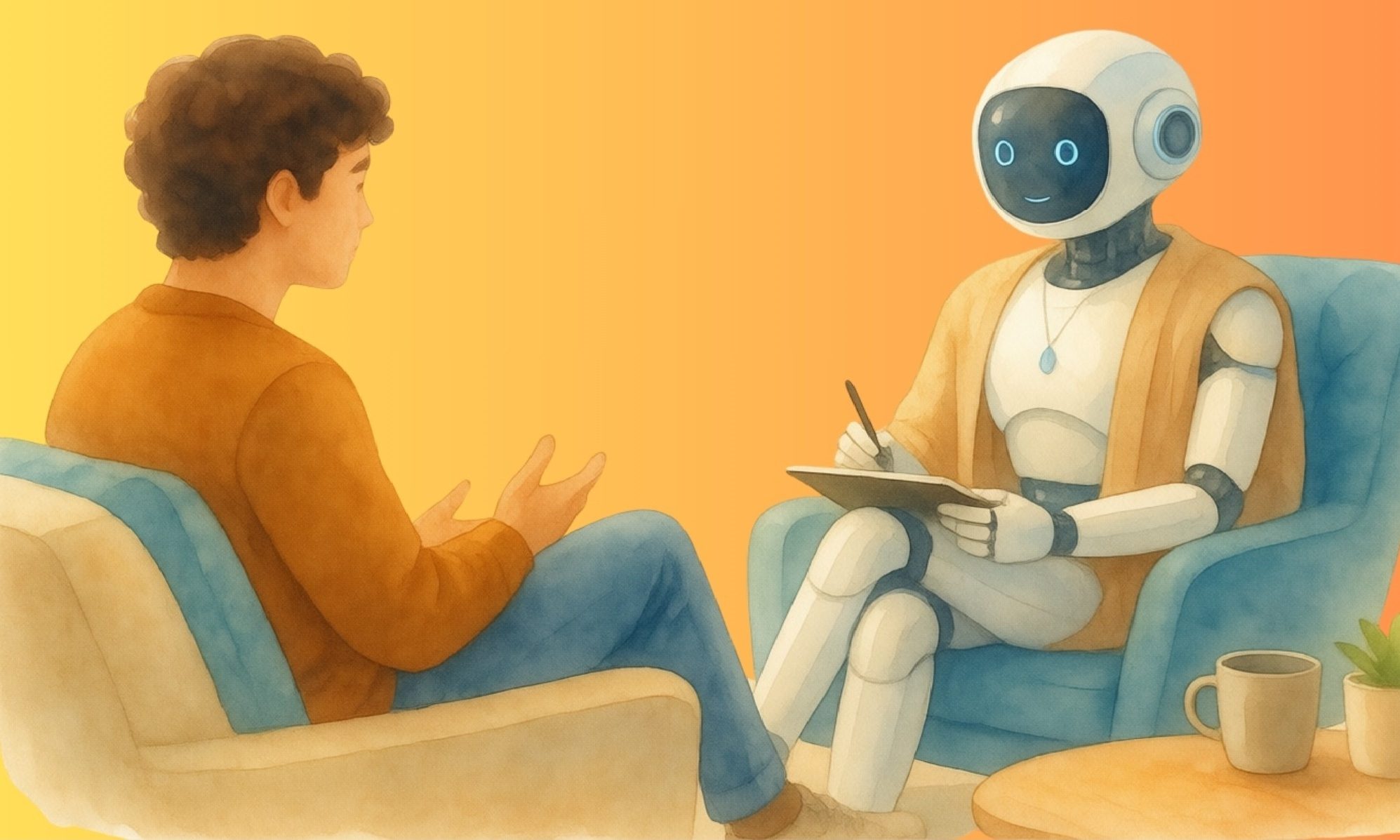
So who is building these, and why does it matter?

Small factual inaccuracies were forgiven during the interaction. However, wrong terms of endearment were not. For instance, when one stepfather’s ghost called his stepson “champ,” a word he’d never used, the participant nearly ended the session. 

This is the first user experience research on AI ghosts, published by the Association for Computing Machinery (via CU Boulder). And if you don’t already know, commercial services like Project December and HereAfterAI are already selling AI ghosts as a product

The study’s own participants flagged a significant concern. While everyone said they’d use a ghost again, almost all worried people who’ve lost their loved ones would become addicted to one. The lab has already initiated a follow-up study with mental health professionals to assess the psychological benefits and risks of generative ghost interactions.


Shikhar Mehrotra
For more than five years, Shikhar has consistently simplified developments in the field of consumer tech and presented them…
Apple’s M6 chip isn’t even here yet, but you’ll see M7 Macs early in 2027
Apple is reportedly already accelerating its next-generation silicon roadmap, even before the M6 has launched.
Apple MacBook

The M6 chip is still expected to debut later this year, but Apple may already be preparing for what comes next. According to Mark Gurman's latest report for Bloomberg, the company is aiming to introduce its first M7-powered devices as early as the first half of 2027, hinting at a much faster silicon refresh than many expected.

M7 could arrive alongside new Macs and iPads

Read more
The entry-level MacBook Pro could get a design refresh in 2027, and it’s about time
Five years on the same chassis, and now both tiers of the MacBook Pro are getting a new look at once.
MacBook Pro in space grey sitting on a desk.

Apple has a new MacBook Pro lined up for launch early next year, according to Bloomberg. The company will introduce a 14-inch laptop in the first half of 2027. 

The biggest surprise, however, will be a brand-new design language. The outlet describes it as "a revamped entry-level MacBook Pro, code-named K104."

Read more
Apple’s Hide My Email feature has an unfixed bug that leaves email addresses exposed
100% exploitable in limited testing, known since June 2025, and still unfixed as of today.
apple-merging-sign-in-with-apple-hide-my-email-icloud+

Apple has been selling Hide My Email to keep your real email address hidden, but it has a vulnerability that does the exact opposite. The worst part is that the company has known about it for a year. 

Hide My Email, part of Apple’s paid iCloud+ subscription, lets users generate anonymous email addresses for signing up to a website, so that their personal or work email remains free of promotional emails and spam. 

Read more