
While DVDs and CDs are slowly becoming obsolete, many of us still own hard copies of our all-time favorite films and albums. Unfortunately, discs are prone to scratches, chips, and general dirt buildup, often rendering them useless. However, there are way to fix a scratched disc and get it working again. Read on to see what disc repair methods we recommend.
What you should know before you begin
It’s important to note that the methods outlined below will not work with Blu-rays. Those discs use a harder coating that’s more difficult to scratch and damage, which is good, but the downside to this is that once it does scratch, it typically becomes unusable and has to be replaced. Minor damage may be corrected with a microfiber cloth, but the data density and layers prevent any of the options featured here from working particularly well or even being advisable for a Blu-ray. Error-correction features on the best Blu-ray players may help them to ignore scratches, of course.
Important: There are all sorts of ways you can damage a disc, but it’s important to identify how deep a scratch is or what caused the disc to malfunction before proceeding. The first trick is to confirm that the problem is actually with the disc. This is usually done by trying to play the disc in another device that has a disc drive or inserting another disc into the original drive that gave you issues.
Disc tips before you start
Although we cover different methods for cleaning and resurfacing your discs, it’s important to remember a few key rules if you want to save yourself a headache while going through the process.
- Wash and dry your hands before handling your discs.
- The best way to clean your discs is to start at the center and work your way outward in a straight line. This allows for a better grip while cleaning and lets you avoid damaging any of the data printed onto the polycarbonate layer below.
- Tray-loading drives may be more likely to read a damaged or scratched disc than slot-loading drives.
- Data is stored close to the top layer of the disc, meaning scratches and dents on the label can cause read errors too.
Methods for repairing your disc
Mr. Clean Magic Eraser
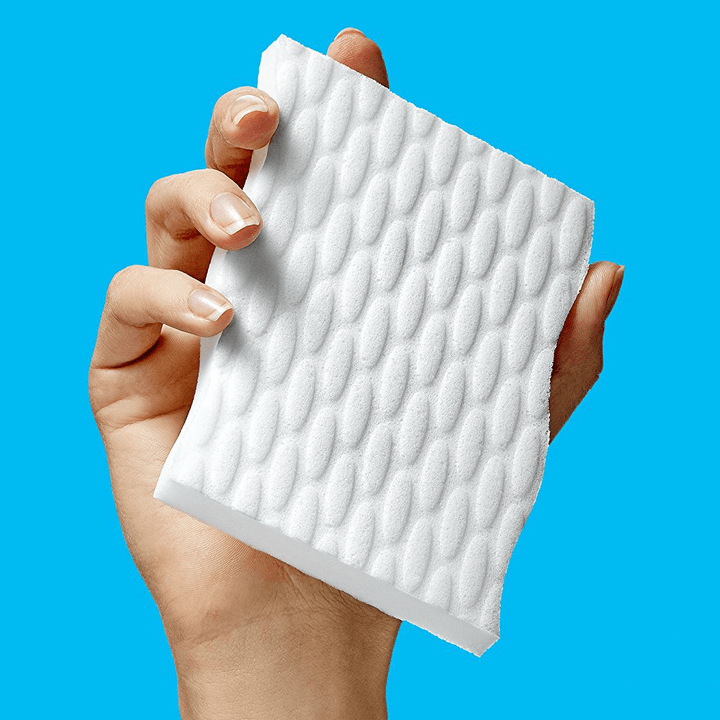
A Mr. Clean Magic Eraser may be geared toward household cleaning, but it’s also surprisingly useful when it comes to restoring the proper finish to optical discs. The Mr. Clean Magic Eraser is made from melamine foam, the same kind used for sound and heat insulation. It takes advantage of the unique properties of the material rather than chemicals to clean surfaces. The idea is that the foam acts as an abrasive, like sandpaper, and may smooth out the outer layer of a disc and result in a smooth surface to read from.
Here’s how to use one to clean your disc:
- Do not wet the Magic Eraser like normal. Use it dry.
- Lightly rub the eraser in straight lines from the disc’s center outwards.
- Continue this process until you go around the entire disc.
Expensive machines

Unless you want to spend $500 or more on a professional resurfacing machine, it’s best just to avoid this option altogether. While these high-end devices are great for people who need to clean and fix hundreds of discs a month, they’re prohibitively expensive to buy and often require an upkeep cost that quickly exceeds the cost of simply replacing a few scratched DVDs. The less expensive versions, which you may see on clearance shelves for $10 or $20, tend to do more harm than good, often scratching recoverable discs beyond repair or simply dousing them in chemicals that only further damage their exterior. However, it’s common to find these machines at rental stores that sell used discs and they’ll often let you use theirs for a nominal fee.
Oil-based products
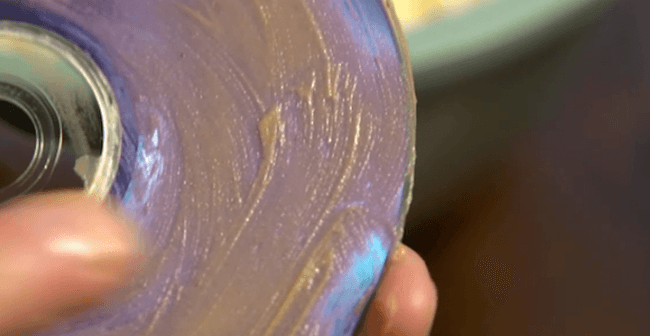
This is where things start to get messy. If you’ve reached this point in our guide, that probably means no other method has worked. If you can get a single computer to read a copy of the disc, you can burn a replacement copy on a new disc so that you don’t have to worry about scratches on the old disc. If the scratching is too severe on the data side of the disc, it may have permanently damaged the outer reflective layer. In this case, you may be able to get one more use out of the disc by replacing the material with something comparable to read the working portion of the disc again.
You can use several different materials at this point, some effective, and some born from rumors and common misconceptions. Chapstick, toothpaste, peanut butter, shoe polish, window cleaner, petroleum jelly, banana peels, and some other materials are purported to work for repairing a scratched disc, but they all have one commonality: Oil. The oils in these substances will help fill in some of the gaps left from scratching, even after they’ve been wiped clean. These oils provide a path for the laser to travel straight to the data and back.
Heat

Again, if you really care about your disc and want to save it, you’ve probably already taken it to a professional by this point. Nonetheless, if you’re still committed to watching your scratched disc, you could try slightly heating it. Polycarbonate has a very low melting point and becomes very malleable with only a bit of warmth. A desk lamp will do just fine, and you can just hold the disc through the ring in the middle up to the bulb. You don’t need to bend or flatten it, either — we’re just hoping that a little bit of heat will correct any minor scratches in the imprinted data and make the disc easier to read.
If you don’t succeed …
The sad fact is that while each of the above methods has a chance to work, it’s just as likely that they won’t. Generally, once you’ve damaged a disc enough that it won’t play, you’re out of luck. Unless you need some coasters and don’t mind the scratched-up, silvery look, your discs could be headed to the recycling bin.
If after reading this guide you still want to expand your film collection, consult our guide to the best Blu-Ray movies, or go digital with the best movies on Netflix. And think about this: The Netflix option is permanently scratch-resistant.


