
Intel’s comeback has become one of the market’s biggest surprises. Its stock has risen nearly 490% over the past year, pushing the company back into record territory and reviving confidence in a chipmaker many had written off.
The problem is that Intel still has little product success to justify that excitement.
Is Intel’s stock rally running ahead of its chip business?
Most of the momentum is tied to expectations around Intel Foundry, government backing, and a handful of major partnerships rather than clear wins in chips.

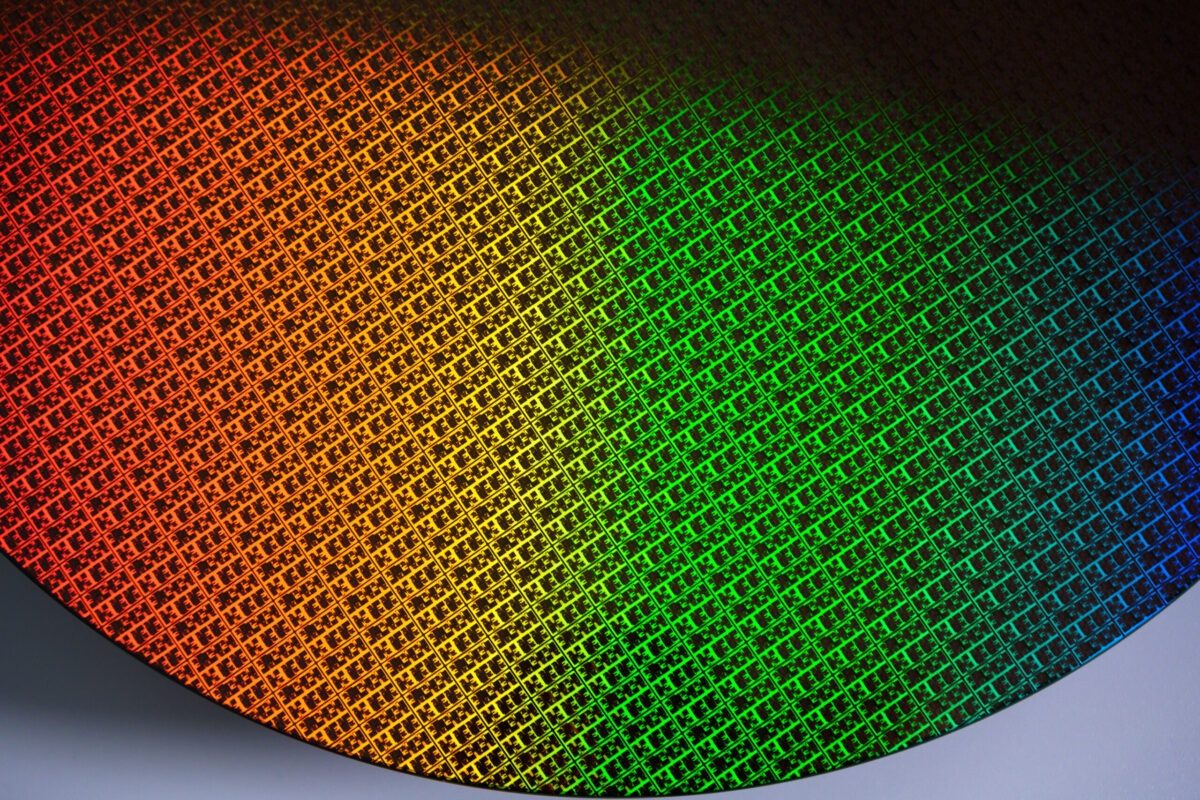
A big part of that optimism comes from Intel’s manufacturing progress. The company has started shipping its Panther Lake processors built on its 18A process node (1.8nm), a major milestone after years of delays. Intel reached this point before rival TSMC has fully rolled out its own 2nm chips.
Still, Intel’s own 18A processors have not made much impact so far. They have not shifted the competitive balance in PCs, servers, or AI, where Nvidia and AMD continue to dominate.
Is Wall Street betting on Intel’s future, not its present?
Investor confidence appears to be coming from what could happen next, as it was recently reported that Intel has reached a preliminary chipmaking agreement with Apple. If it goes through, it would be a major vote of confidence in Intel’s foundry business, especially since Apple moved away from Intel processors when it shifted to its own silicon.
Intel also has support from Washington after CEO Lip-Bu Tan’s talks with President Trump helped secure a major government investment back in August 2025. This gives Intel added support as the US pushes to boost domestic chip manufacturing, which could make it easier for the company to clear regulatory hurdles and land future contracts.
The company has also joined Elon Musk’s Terafab AI chip project, giving it another high-profile partner and a possible long-term customer for its manufacturing business.
Can Intel turn manufacturing progress into real market wins?

Even with all of that, Intel’s comeback still rests more on future promises than actual results. The company deserves credit for getting 18A into production and closing some of the manufacturing gap with its rivals. A few years ago, that would have seemed hard to imagine.
Now Intel has to prove that its soaring stock price is backed by a real business turnaround, not just investor faith in deals that have not yet paid off.


