  1. Home
  2. Cars
  3. Photo Galleries
  4. Legacy Archives

Hyundai’s 2016 Sonata Plug-In Hybrid marks first for the brand

Add as a preferred source on Google

Hyundai’s sister brand, Kia, sells an EV version of its popular Soul hatchback, but until now, no Hyundai-badged car has offered the clean and green technology of a plug-in. That changed today with the introduction of the 2016 Hyundai Sonata Plug-In Hybrid at the Detroit Auto Show.

Alongside a gasoline-electric version of the Sonata, Hyundai took the wraps off a midsize sedan that the automaker claims will cruise up to 22 miles without using a drop of gasoline. Gas prices may be at historic lows, but in most parts of the country, at least, fueling a vehicle with electricity remains far more economical than filling up at the pump.

The powertrain uses the same 2.0-liter four-cylinder engine as the new Sonata Hybrid, but boasts a more powerful electric motor and a larger-capacity battery. The so-called Transmission Mounted Electrical Device, or TMED, is a 50-kW electric motor hanging onto the six-speed automatic gearbox. It’s the most powerful setup in the Sonata lineup, with combined output of 202 horsepower.

A 9.8-kWh battery pack provides electricity. Plug into a 240-volt Level 2 charger and the Sonata Plug-In Hybrid gets a complete charge after about two and a half hours. Using a standard 120-volt outlet, charging time doubles to five hours. Owners can program and monitor charging remotely using a smartphone app.

Luxury trimmings like leather seats are optional on the Sonata Plug-In Hybrid, but Hyundai does include a few upscale features that are optional on lesser Sonatas. These include blind-spot monitoring and a hands-free trunk. A long list of luxury-grade extras – from a heated steering wheel to adaptive cruise control – is also optionally available.

Hyundai has yet to announce pricing for its first plug-in but promises it will be available in select East- and West-coast states this year. Buyers may pay a premium, but most will help compensate for the extra cost with federal tax credits expected to be $4,500 per vehicle.

Nick Palermo
Former Digital Trends Contributor
Nick Palermo is a freelance automotive writer in Atlanta. Since becoming an freelance automotive journalist in, Nick has…
Waymo’s robotaxis keep finding new things to drive into, and construction zones are the latest
Thirteen construction zone incidents, one fleet recall, and a passenger who thought the end was near.
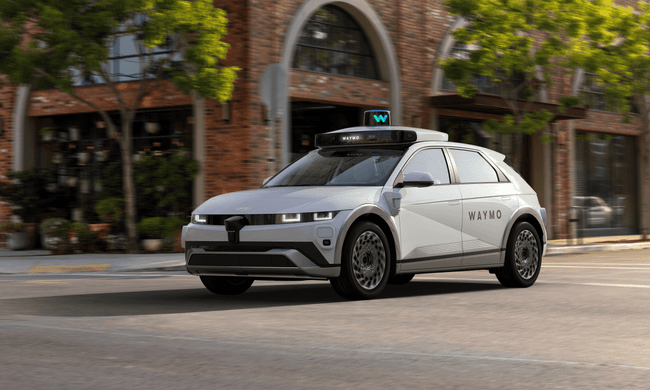
A Hyundai Ioniq 5 is equipped as a robotaxi.

Waymo has recalled its entire fleet of nearly 4,000 robotaxis to prevent them from driving on highways after identifying at least 13 instances where its vehicles drove straight into highway sections closed for construction. 

This is the company's sixth recall in under a year, and follows separate incidents involving flooded roads, telephone poles, chains and gates, towed trucks, and school buses.

Read more
BYD’s Great Tang eSUV offers 10-minute charging and a 590-mile range starting at $40,000
Spectacular specs, record preorders, and not a single one headed to America.
Car, Transportation, Vehicle

BYD just launched the Great Tang, a full-size electric SUV that offers the range of a regular gasoline-powered car and takes only slightly longer to refuel (read: recharge). 

The company's flagship eSUV starts at around $35,500 and gives most American electric SUVs a serious run for their money.

Read more
BMW is taking orders for the i3 way ahead of schedule, and it’s got a happy problem to blame
Too much demand, too good a car to make people wait until fall.
Bumper, Transportation, Vehicle

BMW planned to open order books for the new i3 sedan this fall, but now, the automaker is opening them this week instead. The reason is the kind of happy problem every automaker wishes they had.

As it turns out, too many people want to buy the car, and the automaker decided it would be rude to make them wait.

Read more