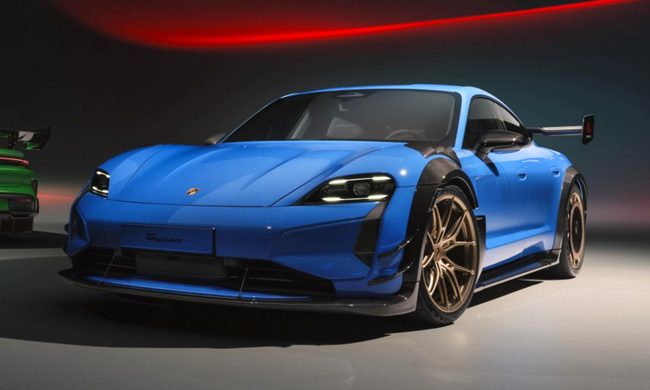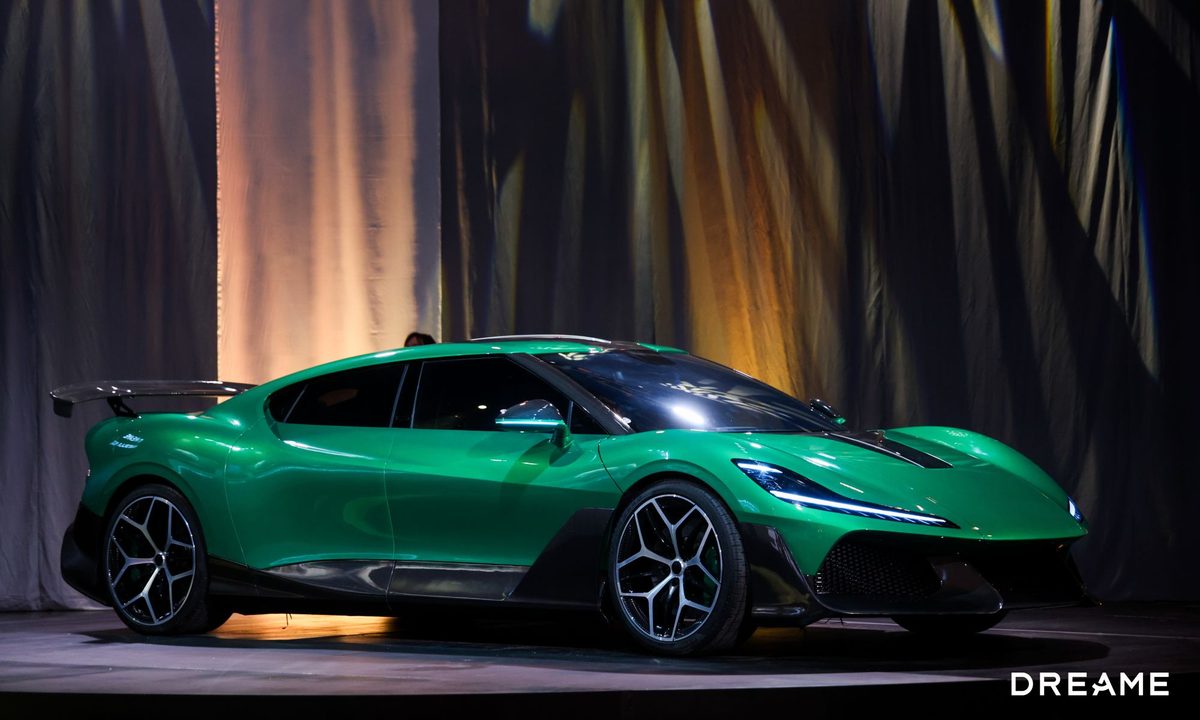
Dreame Technology, best known for its robot vacuums and other smart home products, has its sights set on becoming your phone maker, wearable brand, and car company. At its DREAME NEXT event in San Francisco last week, the company unveiled two smartphones, three smart rings, and a rocket-powered sports car, pushing into categories it has never competed in before.
Dreame’s first smartphones are built around modular hardware
The Aurora series comes in two models: the Aurora NEX and the Aurora LUX. Both run AURORA AIOS 1.0, a proprietary AI operating system that Dreame says adapts to user habits, supports intuitive touch, voice, and vision input, and features multi-agent collaboration to help users complete complex tasks from start to finish.
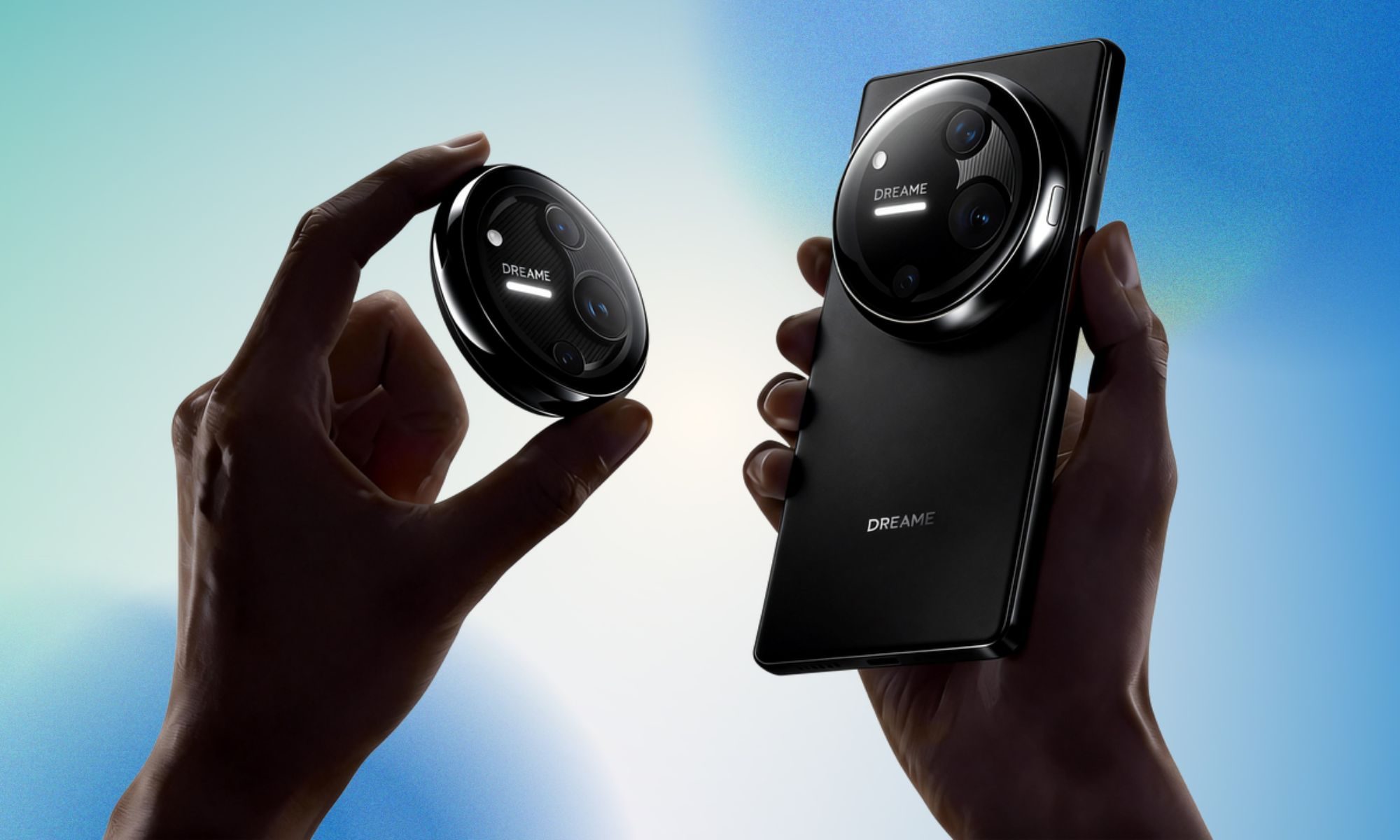
The camera system tops out at 200MP across all focal lengths, with 8K 60fps uncropped video recording and 14-bit RAW multi-frame stacking. A modular design lets users snap on attachments, including an action camera, a telephoto lens, a satellite connectivity module for emergency rescue scenarios, and a standalone AI module.
Dreame also says the phones feature a 360-degree surround antenna system that detects grip posture in real time and switches to an unobstructed antenna path within microseconds to ensure seamless connectivity.
Three rings, three jobs
Dreame’s smart ring lineup splits across three distinct use cases. The Health ring monitors heart rate, blood oxygen, body temperature, respiration, and sleep, and uses ECG tracking to flag potential arrhythmia and atrial fibrillation risk, with AI-driven alerts based on historical data.

The Vibration ring handles notifications and reminders via a haptic motor, similar to RingConn’s recently-launched Gen 3 ring, and can be used for notifications, medication alerts, schedule reminders, and sedentary alerts. The NFC ring focuses on access control and supports locker unlocking and remote photography, along with basic health monitoring and 50m water resistance.
All three rings will ship with a jewelry-box-style charging case that Dreame says extends the total battery life to 150 days for the NFC ring, though it doesn’t mention the battery life figures for the other two rings.
A rocket car that goes 0-60 mph in under a second
Dreame’s Nebula NEXT 01 JET Edition uses a dual solid-fuel booster system that responds in 150 milliseconds and delivers a peak thrust of 100 kN. The company claims it can go from 0-100 km/h in just 0.9 seconds.
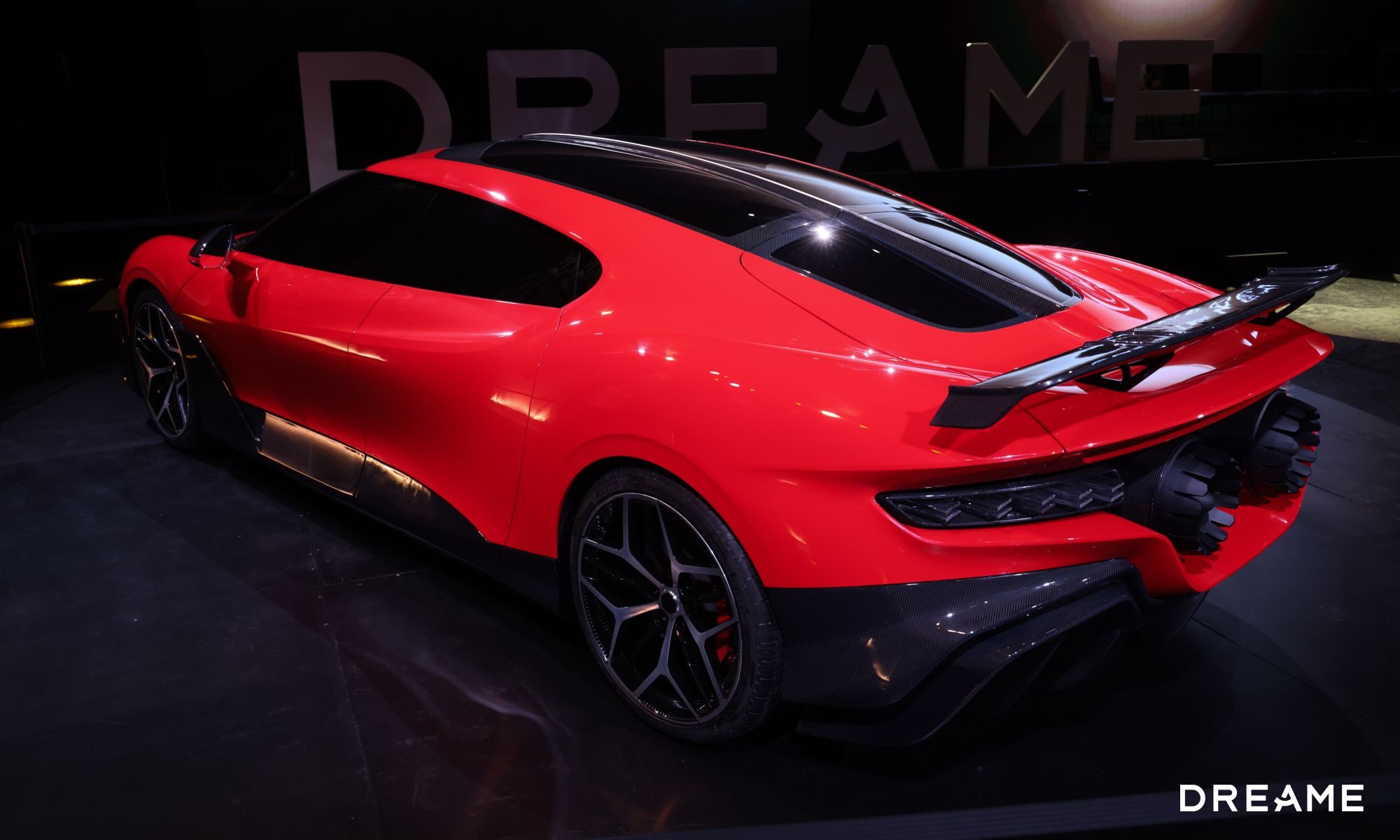
The vehicle includes a proprietary 2,160-line automotive LiDAR system that resolves road obstacles in significantly greater detail than conventional LiDAR, and supports autonomous driving up to L3.
The rest of the lineup
The DREAME NEXT event also covered a broad range of smart home products. On the appliance side, Dreame announced the Air Conditioner X60, which uses a dual robotic arm structure to manage airflow across eight drive motors, and the Z Series, a fully flush-mount AC designed to blend into walls and ceilings. Both units include AI-driven temperature and energy management.
Dreame also announced the Z1 Laundry Robot that can autonomously handle the full laundry cycle, from picking up clothes, running a wash and dry cycle, and removing them when done. On the personal device side, Dreame unveiled the MOONIX AI Glasses, which weigh 16.9 grams and use a continuous recording model to build a personalized AI profile the company says acts proactively on the user’s behalf.
An AI pendant designed for dietary tracking was also unveiled. It uses a built-in camera to log food intake bite by bite and provide nutrition estimates via a multimodal AI inference engine. Pricing and availability for all products were not announced.