  1. Home
  2. Cars
  3. News

Audi tackles Ferrari Luce fever with the hybrid Nuvolari, it’s fastest and beefiest car ever

Meet the Audi that makes Formula 1 technology street legal.

Add as a preferred source on Google
Audi Nuvolari
Audi

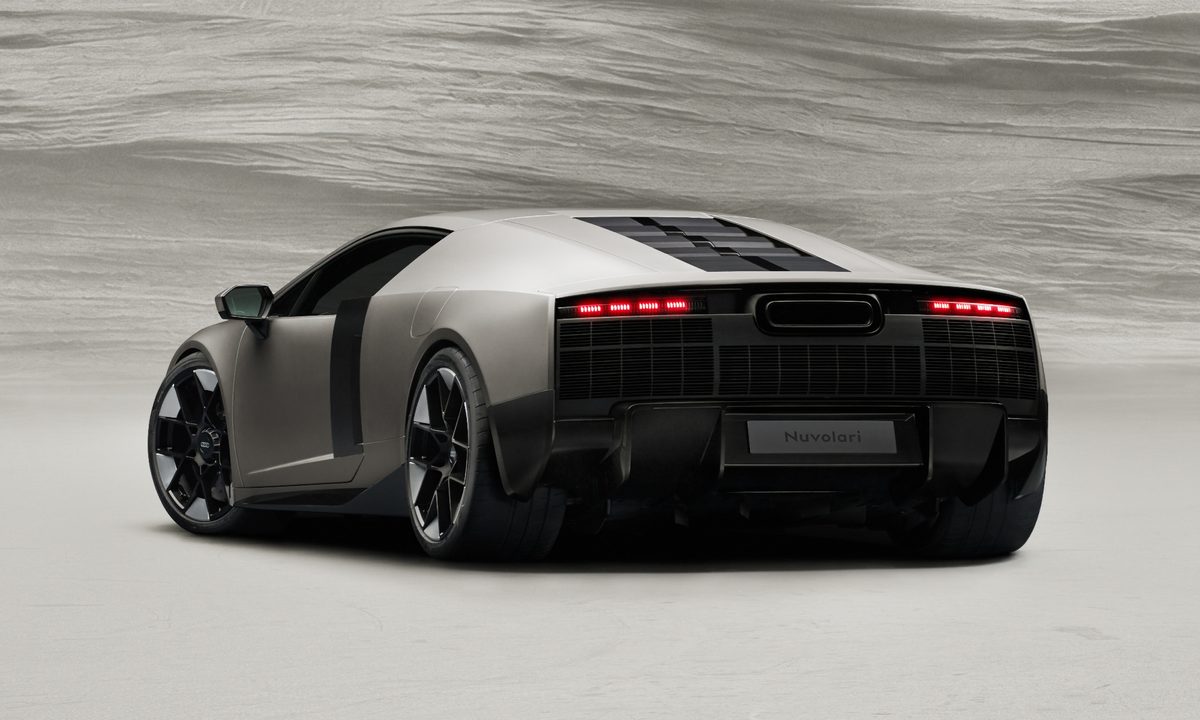
Audi has just pulled the wraps off the Nuvolari, its first hybrid supercar, and the numbers are genuinely hard to comprehend. Named after Tazio Nuvolari, one of motorsport’s most iconic figures, the car produces 1,001 PS and can reach a top speed of over 350 km/h. Only 499 people will ever get to own one, with deliveries kicking off in the first half of 2027.

The Nuvolari can go from 0 to 100 km/h in 2.6 seconds and can hit the 200 km/h mark in just 6.8 seconds. Under the hood is a 4.0-liter V8 biturbo engine producing 800 hp, paired with three electric motors for a combined system output of 1,001 PS. The electric motors at the front axle alone deliver 2,150 Nm of torque, which is a number that feels almost fictional.

Why does this supercar feel like a racecar?

The Audi Nuvolari’s is heavily influenced by Formula 1, particularly in the aerodynamics department. Audi says the Nuvolari is packed with F1-inspired innovations. From the active aerodynamics to the braking system, which can absorb up to 2.8 megawatts of energy, comparable to a current Formula 1 car. 
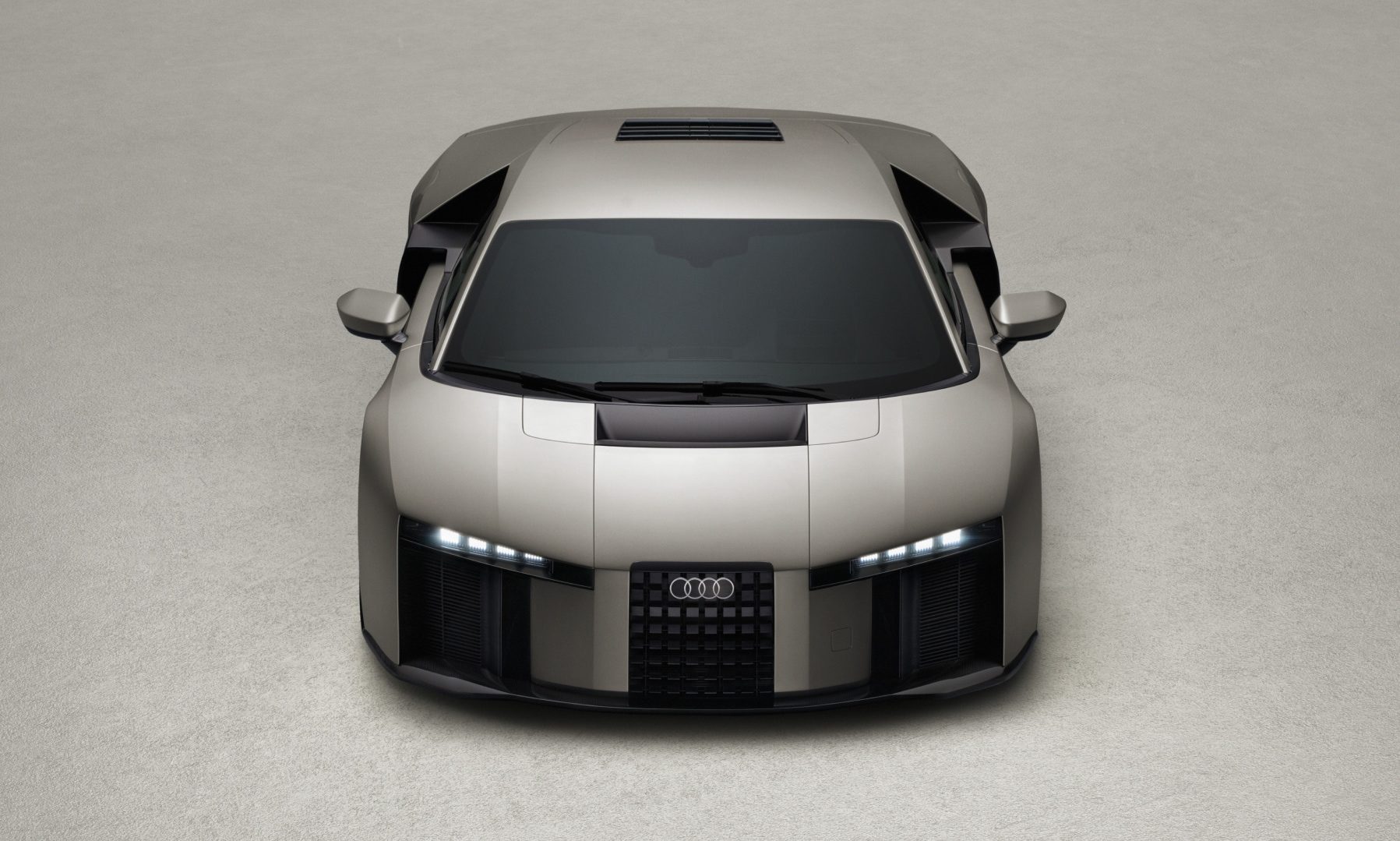
The deployable rear wing generates over 400 kg of downforce in high-downforce mode, and there’s even a DRS button on the steering wheel, just like in F1. The chassis uses Audi’s Space Frame technology combined with a full carbon-fiber exterior, developed using prepreg autoclave technology borrowed straight from F1 cars.

Recommended Videos

For Audi, Formula 1 is more than just a racing series. It is a place to test and develop new technology, and the Nuvolari is where all of that hard work finally makes it to the road.

Does it look as good as it sounds?

Audi says the Nuvolari is the first production car to follow its new design philosophy. It comes finished in a new signature color called Titanium, which is the same shade used on the Audi Formula 1 race car. The cabin features minimal distractions, carbon fiber seats, and color accents that pay homage to the legendary Auto Union Type C race car from the 1930s.
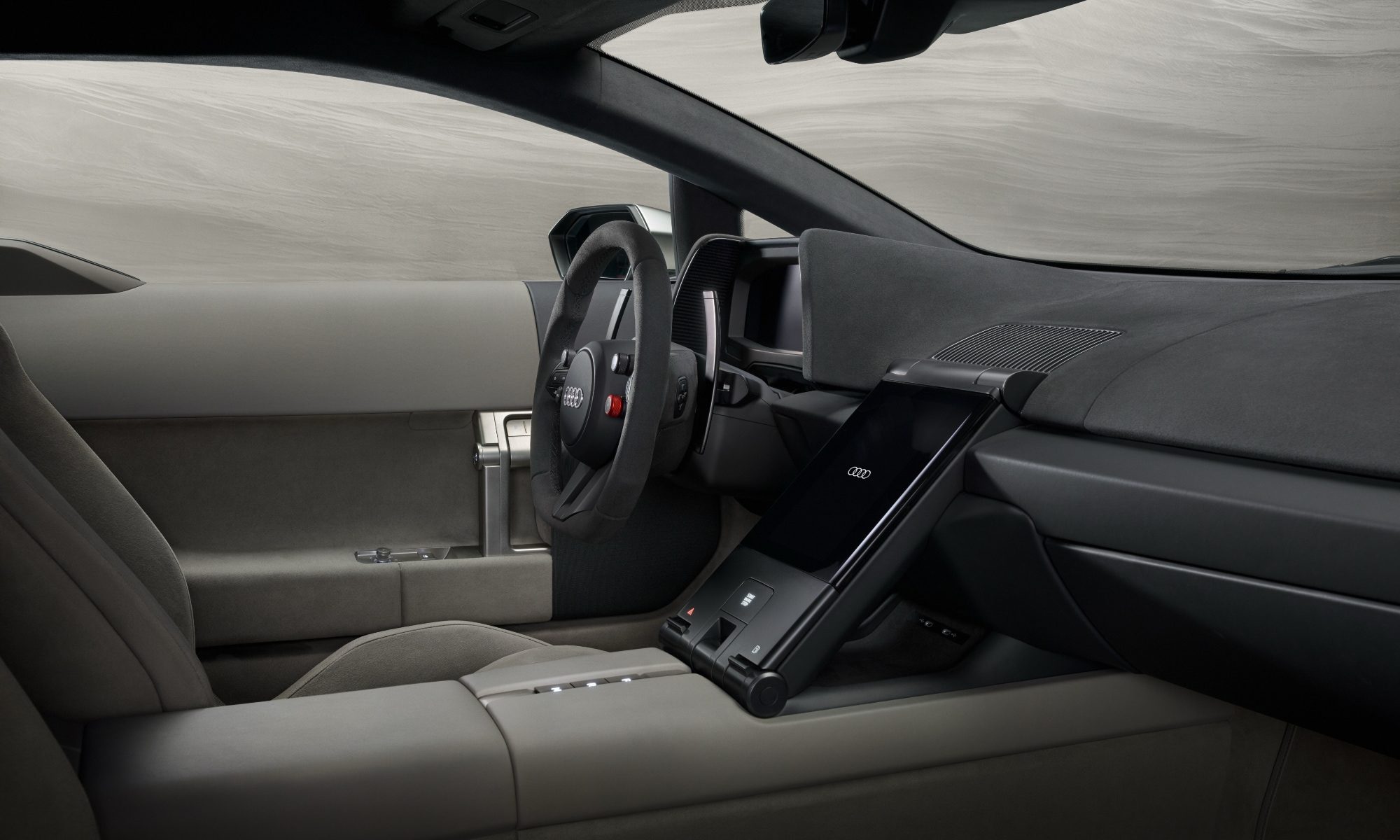
To me, the design looks distinctive. It won’t receive the bad rep that Ferrari Luce has received, but it will be devisive. People are either going to love or hate it. Either way, with only 499 units up for grabs, the people who don’t love it won’t have to worry about seeing it on every street corner.

Rachit Agarwal
Rachit is a seasoned tech journalist with over ten years of experience covering the consumer technology landscape.
Electric cars are getting more pocket-friendly globally, except for US buyers
The US EV market's 2025 decline wasn't about consumer disinterest. It was the predictable result of eliminating financial incentives.
Porsche Cayenne Coupe electric

In 2025, one in four cars sold anywhere in the world was electric. However, in the US, that figure is closer to one in ten, and it is not moving in the right direction. 

The falling EV prices globally have pushed sales to record levels. American buyers, on the other hand, are marching through 2026 with fewer incentives, higher prices, and a shrinking selection of affordable options. 

Read more
Lexus halts plans of an electric car based on the stunning LF-ZC concept and it’s such a bummer
Lexus finally designed a gorgeous EV and then sent it to timeout
LF-ZC concept

Toyota and Lexus may have just shelved one of the most exciting electric vehicle concepts shown in recent years. According to reports from Automotive News and Nikkei Asia, Toyota has halted development of the next-generation Lexus EV that was expected to be based on the futuristic LF-ZC concept.

For EV enthusiasts and Lexus fans, the news is particularly disappointing because the LF-ZC represented one of the clearest signs that Lexus was finally preparing to make a serious leap into the premium electric future.

Read more
Rivian thinks Apple CarPlay is already obsolete and AI is the reason why
Rivian’s AI push could change how you use cars in the future
Rivian R2 in Catalina Blue.

Rivian has once again defended its controversial decision to skip Apple CarPlay and Android Auto, but this time the company says the future of in-car technology is moving beyond smartphone mirroring altogether. According to Rivian’s software leadership, rapid advances in artificial intelligence could soon make the entire CarPlay debate irrelevant.

The comments come as Rivian continues expanding its own AI-powered vehicle software ecosystem instead of adopting Apple’s popular in-car platform. For years, the company has faced criticism from buyers who wanted CarPlay support, but Rivian now believes AI assistants will eventually replace many of the functions drivers currently rely on through their phones.

Read more