
With a proper setup, owning and driving an electric car can be a pretty seamless experience. If you have a charger at home, you’ll never really have to worry about charging — simply plug in at home, and your car will always have enough juice to get you through the day.
But that convenience can fall apart when you go on road trips. Whether it’s just a short jaunt out of town, or a cross-country adventure, you’ll suddenly have to keep track of nearby charging stations, and allot enough time to charge up your car. With a car like the Kia EV6 and Ioniq 5, that can be a relatively quick stop — especially if you find a 350-kilowatt charging station that can charge your car in a matter of 15 or 20 minutes.
But some cars don’t support anywhere near that charging speed. The Chevrolet Bolt EUV, for example, only supports a charging speed of 50kW — and on a recent three-day trip I took with it, that slow charging speed was painfully apparent.
How bad is it?
In day-to-day use, charging at 50kW is fine. After all, your home charger doesn’t charge at anywhere near that speed in the first place — it’s more for charging over long periods of time. And that’s actually a good thing. Fast charging all the time isn’t great for the battery, and in order to maximize the life span of your car, you should mostly rely on a home charger or a charger at your workplace. But if done only from time to time, using a fast charger will have little impact on your battery — and you shouldn’t worry about using one if you need to.
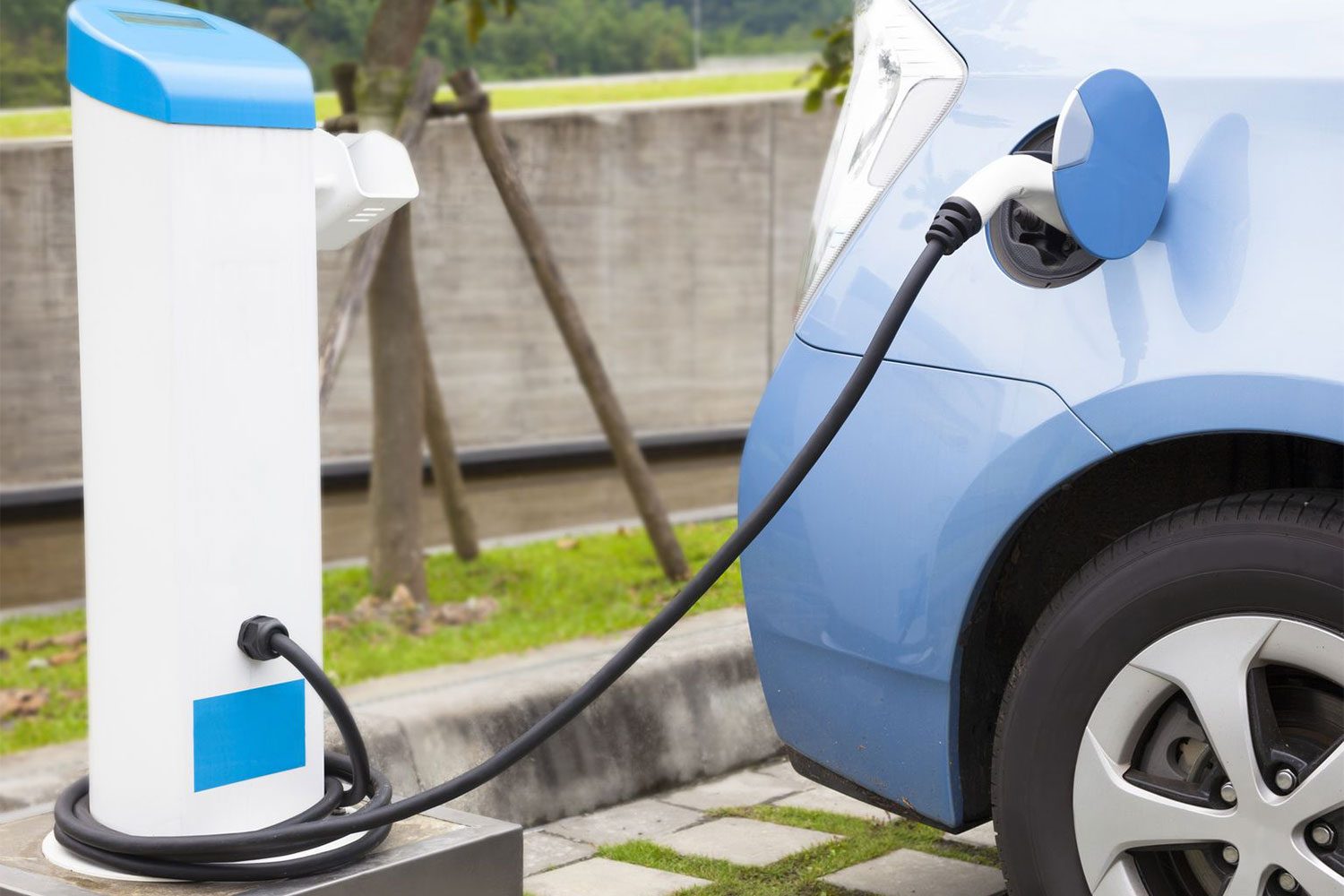
So what does a maximum charging speed of 50kW mean? During my time with the Bolt, it meant that I wasn’t able to fully charge the car during a 30-minute lunch stop on a road trip — and was left walking around aimlessly while waiting. It also meant that I went to much greater lengths to charge when I could, including seeing if my hotel had a charger. When I learned it didn’t, I plugged the car in to a power outlet at the hotel overnight.
To be fair, these aren’t huge, life-changing issues. But they are issues — and when customers are unsure about buying an EV because of the hassle involved with charging, they’re issues that could affect EV adoption.
Cars to avoid
If you’re in the market for a new electric car, it’s worth making sure that charging speed is one of your considerations. Even if you don’t plan on fast-charging all that much, I guarantee that you’ll need to at some point — and when you do, you don’t want to have to wait around for longer than you have to.
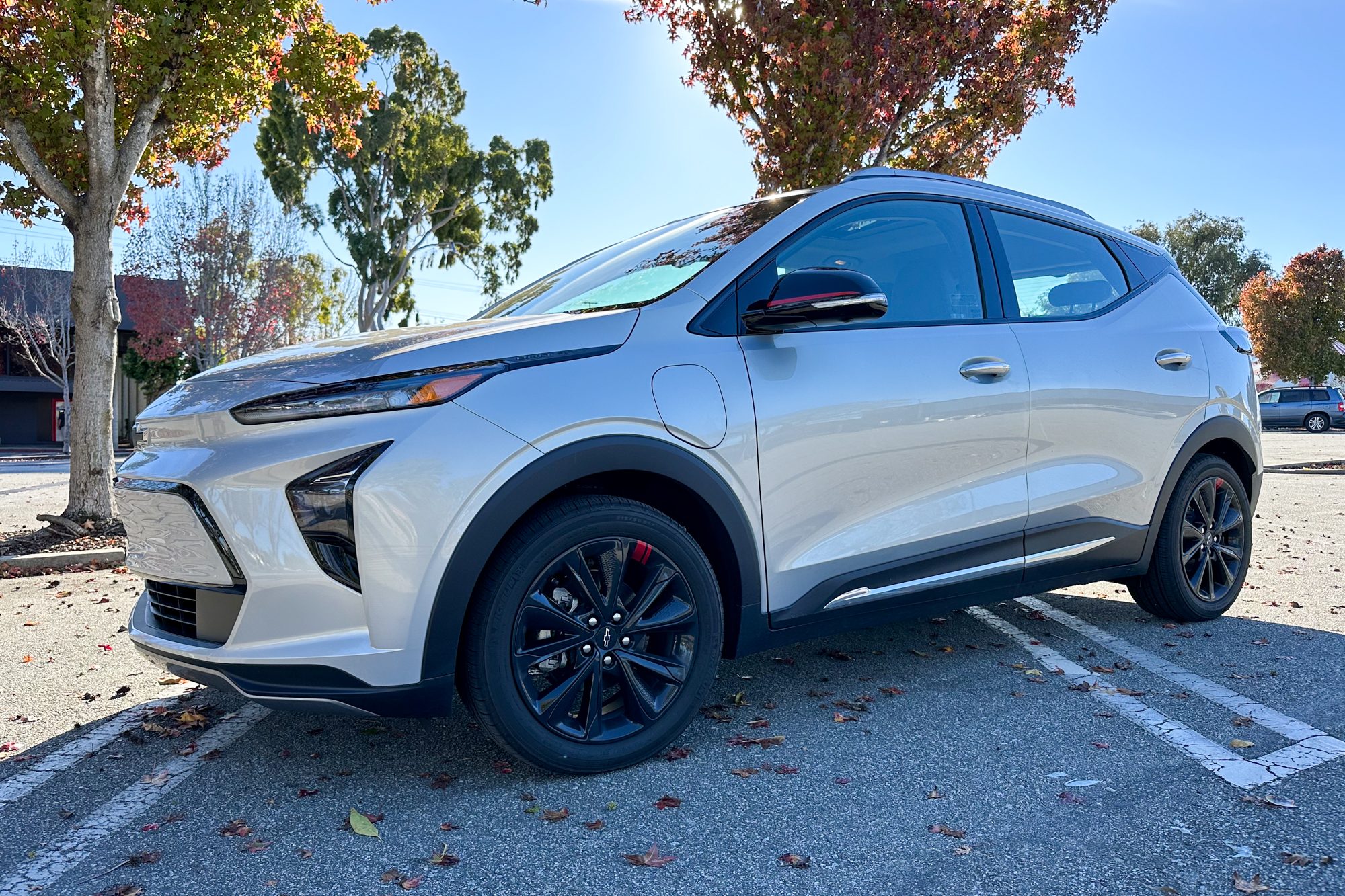
Thankfully, most new electric cars support charging speeds of at least 150kW, which is fine for most use, and should get you to 80% charge in around 30 minutes or less.
But some cars don’t reach those heights, and the Bolt EV and Bolt EUV are top of that list. I actually really enjoyed driving the Bolt EUV for the last week — it offers excellent value for the money, and more space than the too-small-for-me Bolt EV. But the slower charging really killed that experience.
There are other culprits, too. The Mazda MX-30, for example, can only charge at up to 50kW — however it’s even less of a car that you might take out of town given the 100-mile range. That’s similar to the Mini Cooper SE Electric, which also only charges at 50kW. And there’s the Hyundai Kona Electric, which has a charging speed of a still-not-great 75kW.
So what should you look for? If you’re buying a car you might take on the road, I recommend ensuring that you buy one that can charge at 150kW or more. There are quite a few cars that don’t reach that — and most of them are on the cheaper end. Because of that, it might be hard to find one in your budget that charges at 150kW. But even if you can’t, it’s worth making sure that charging speed is one of your top considerations when you buy.


