


A new year is right around the corner, and that means the countdown to CES 2026 has begun. CES is the most important time of the year for tech news — and that includes automotive tech. As automakers have sought to appear more like tech companies and integrate more software-based features into their vehicles, CES has rivalled auto shows as a venue for big announcements.
We’re expecting that to continue this year, but with an emphasis on commercialization alongside the flashy announcements. That means updates on getting new EVs into production, and the further development of buzzword-generating tech like robotics and autonomous driving. The key word here though is “development,” as companies are now working at the less-exciting task of turning their headline-generating announcements from previous years into real products.
Sony Honda Mobility
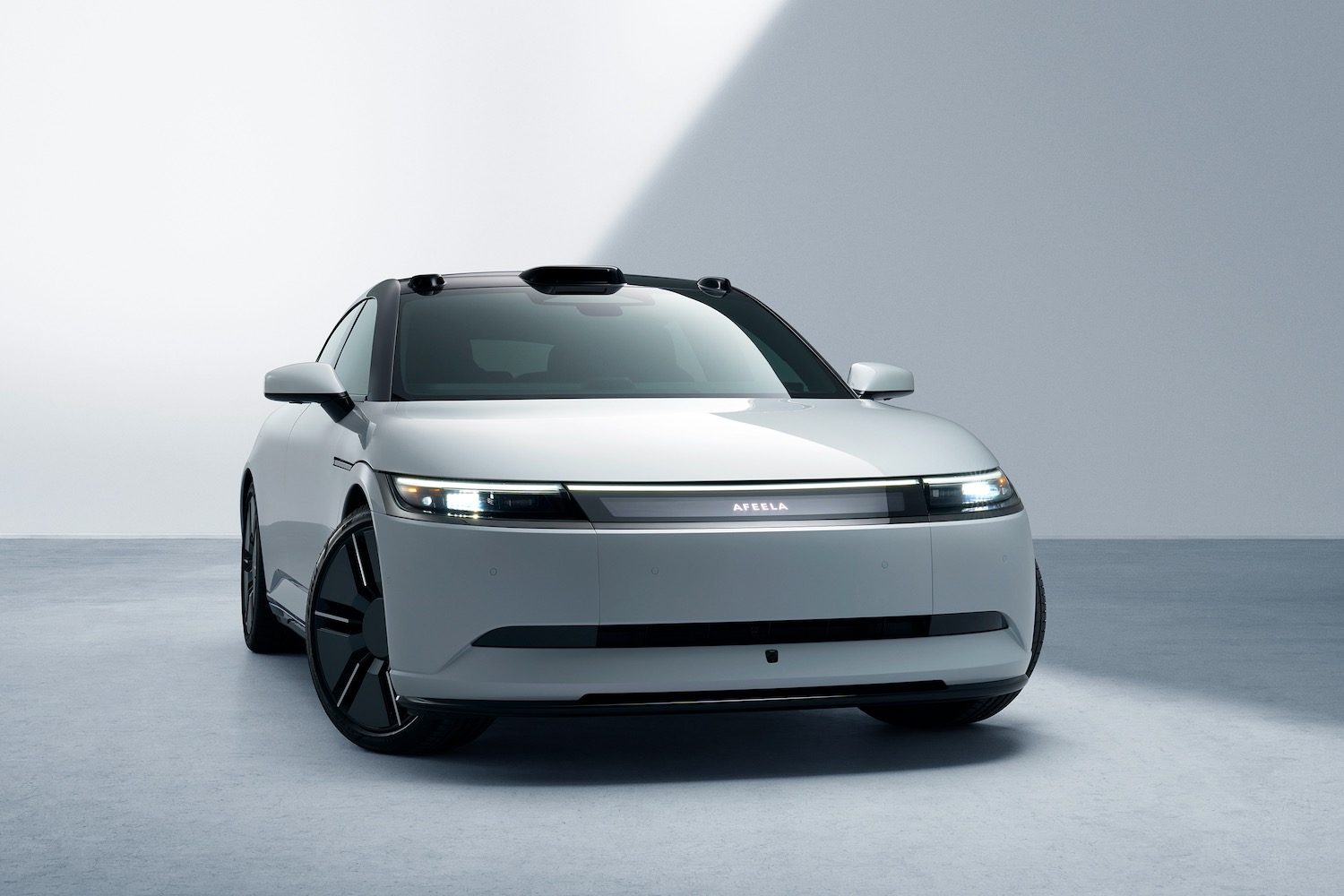
This joint venture between electronics giant Sony and automaker Honda has confirmed that it will show a “pre-production” version of its Afeela 1 EV and “an all-new concept model.” At CES 2025, Sony Honda Mobility already showed a version of the Afeela 1 that was close enough to production-spec to offer demos of its infotainment system. The new car brand also announced pricing and began accepting reservations for the sedan, which is slated to start sales in California sometime in 2026.
It’s unclear what will be different compared to the version of the Afeela 1 (pictured here) shown at CES 2025. That car’s exterior already looked production-ready, with integrated sensors to support driver-assist systems, and none of the usual concept-car tells like missing mirrors and oversized wheels. Sony Honda Mobility representatives also indicated that the interior layout, centered on a door-to-door screen, was not a rough draft.
As for the new concept car, it could preview a second production model. Before it teamed up with Honda, Sony showed two concept versions of its own EV — the Vision S sedan and Vision S-02 SUV. Perhaps Sony Honda Mobility is planning to move ahead with the latter. But with Honda, which is supplying the underlying platform and actually building the cars, throttling back its EV plans, it might be best to focus on successfully launching the Afeela 1 before moving on to a second EV.
BMW

BMW is on the list of exhibitors for CES 2026, but at press time hadn’t announced what it would be showing. The Bavarian automaker just had a big year, starting with the reveal of its Panoramic Vision display at CES 2025 and culminating in the reveal of the iX3 electric SUV at the 2025 IAA Mobility show. The iX3 is the first of BMW’s next-generation “Neue Klasse” EVs. The name, which appropriately enough is German for “new class,” heralds a dedicated EV architecture and component set. It’s a big change from BMW’s current strategy of basing EVs on internal-combustion architectures.
The plan is for the Neue Klasse to comprise a family of models, and CES is as good a venue as any for unveiling the follow-up to the iX3. BMW briefly showed a camouflaged electric sedan, reviving the i3 name previously used for a quirky electric hatchback, at the iX3 global reveal. Underneath the camouflage, expect a production-ready version of the Vision Neue Klasse concept BMW first showed in 2023. We could see the new i3 in uncovered form at CES.
Hyundai
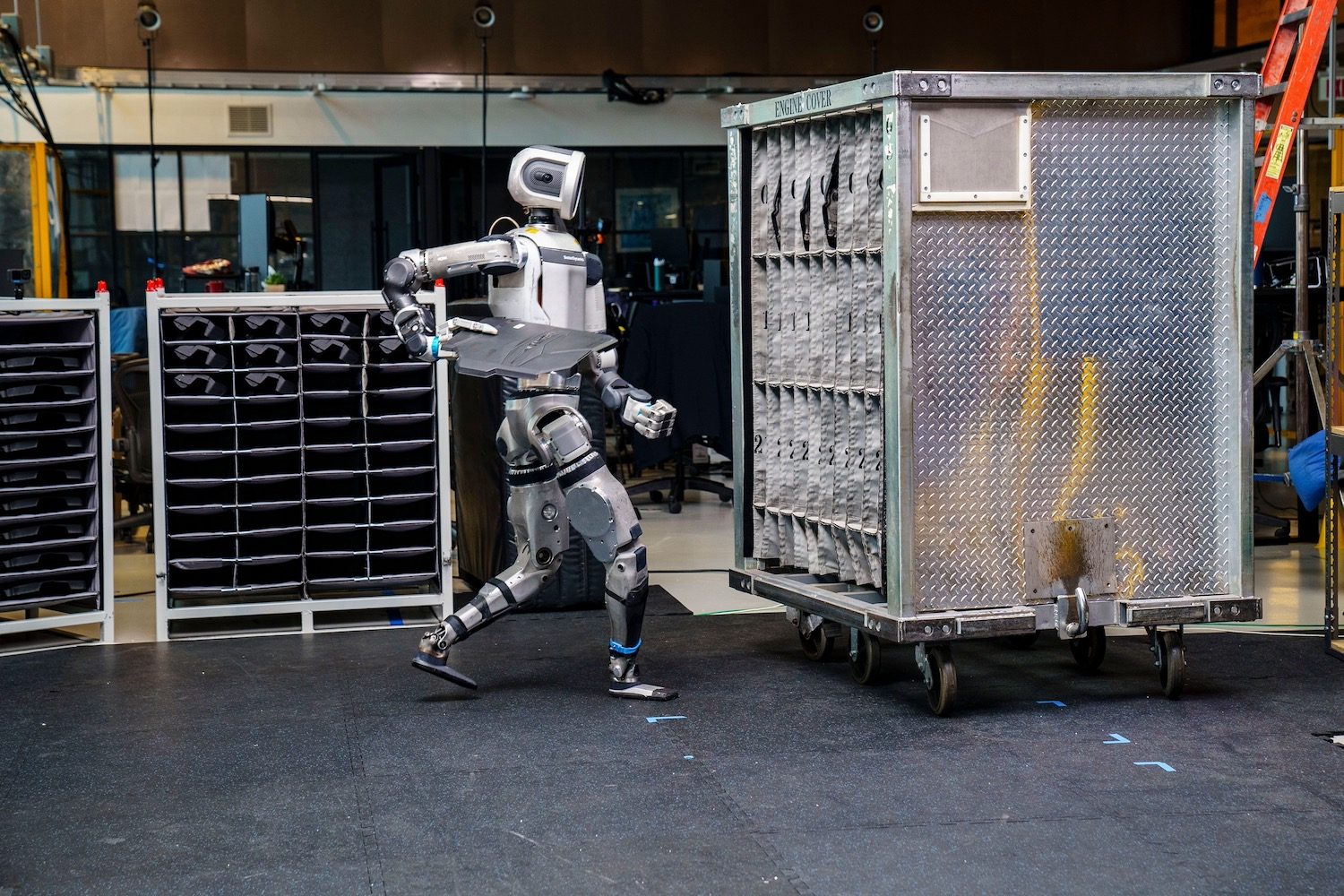
Hyundai’s CES presence will reportedly center not on cars, but on the robots that help build them. Korean Car Blog reported in August that CES will mark the public debut of the Atlas, a humanoid robot developed by Hyundai-owned Boston Dynamics. If it proves commercially viable, Hyundai says Atlas can work collaboratively with humans at factories and other industrial settings. For now, it also gives Hyundai a way to cash in on the current interest in humanoid robots generated by Tesla.
Robots have worked in car factories for decades, but in stationary form doing simple and repetitive tasks without human cooperation. Boston Dynamics is slowly changing that with its well-known Spot robots, which are performing quality checks at Hyundai’s “Metaplant” in Georgia, and Stretch, which assist warehouse workers. The automaker needs to find more of these use cases to justify its investment and Boston Dynamics. So Hyundai’s CES 2026 presentation could give Atlas a more specific job title than “cool-looking robot.”
What else to expect

CES is the Consumer Electronics Show, not the Consumer Auto Show. More consumer-facing news has come out of the show in recent years, but it’s always been a far smaller amount than on the electronics side, where CES represents one of the few opportunities for companies to make a big splash. Automakers have standalone reveals and, to a lesser extent, auto shows to do that as well.
The expected news listed here will be just the tip of the iceberg. For every automaker at CES, there are five suppliers looking to sell chips, sensors, and other components that will go into future cars. But those suppliers are mostly looking to get the attention of their automaker customers, not the general public. There will also be autonomous-driving tech firms like Waymo and Zoox that may not have real news, but still need to remind the public and investors that they exist and are continuing to develop their tech.
This might be a year where the reality of CES as a trade show for deals between automakers and suppliers catches up with its perception as a place for consumer-relevant automotive news. If that happens, it will be because automakers tech companies need to focus more on bringing the things they’ve previously announced to fruition before promising more. Because merely talking about the future won’t make it happen.


