Chinese researchers claim a new solid-state battery can survive ultra-fast charging while delivering dramatically higher energy density, potentially reshaping the future of electric vehicles. Researchers at the Chinese Academy of Sciences claim they have developed a new solid-state lithium-metal battery capable of delivering extremely high energy density while surviving ultra-fast charging conditions – a combination the global EV industry has been chasing for years.
According to the research paper published in the Journal of the American Chemical Society, the prototype battery achieved an energy density of 451.5 Wh/kg while maintaining stable cycling performance for 700 charge cycles under a 20C charging rate. In practical terms, that theoretically translates to charging and discharging in roughly three minutes.
If commercialized successfully, the technology could represent a major leap over today’s EV batteries. Most current mass-market electric vehicles from US and European automakers still operate within relatively conservative fast-charging limits. Brands like Tesla, Ford Motor Company, Volkswagen, and Mercedes-Benz Group generally peak between 150kW and 350kW charging speeds under ideal conditions, with many vehicles still requiring 20 to 40 minutes for meaningful charging sessions.
Meanwhile, Chinese automakers and battery firms are rapidly accelerating the development of ultra-fast charging technologies. Companies like BYD, CATL, Ganfeng Lithium, and multiple startups are aggressively pursuing solid-state battery architectures capable of much higher charging speeds and energy density.
China’s battery push is reshaping the industry
The latest breakthrough also arrives as Western automakers increasingly deepen partnerships with Chinese companies to remain competitive in EV technology. Earlier this month, Stellantis expanded its collaboration with Chinese automaker Dongfeng Motor Corporation through a €1.17 billion agreement covering vehicle production, exports, and engineering cooperation. The company has also strengthened ties with Leapmotor to jointly develop electric vehicles for European markets.

Other global manufacturers are making similar moves. Volkswagen has partnered with Chinese EV startups, including Xpeng, while several Japanese and European brands are exploring shared manufacturing and battery development projects with Chinese suppliers.
As Chinese firms continue achieving breakthroughs in battery chemistry and manufacturing scale, these partnerships may allow Western companies to indirectly benefit from China’s rapid technological progress.
High energy density still comes with risks
Despite the excitement, ultra-dense battery chemistries also raise safety concerns. Higher energy density often means greater thermal risk if a battery enters thermal runaway. The industry has already witnessed several high-profile EV fire incidents involving lithium battery systems, including scrutiny surrounding some earlier-generation BYD battery discussions and broader concerns over EV heat management globally.
The Chinese researchers claim their pouch cell passed nail-penetration safety testing, which is often used to evaluate internal short-circuit resistance. However, laboratory results do not automatically guarantee real-world automotive reliability.
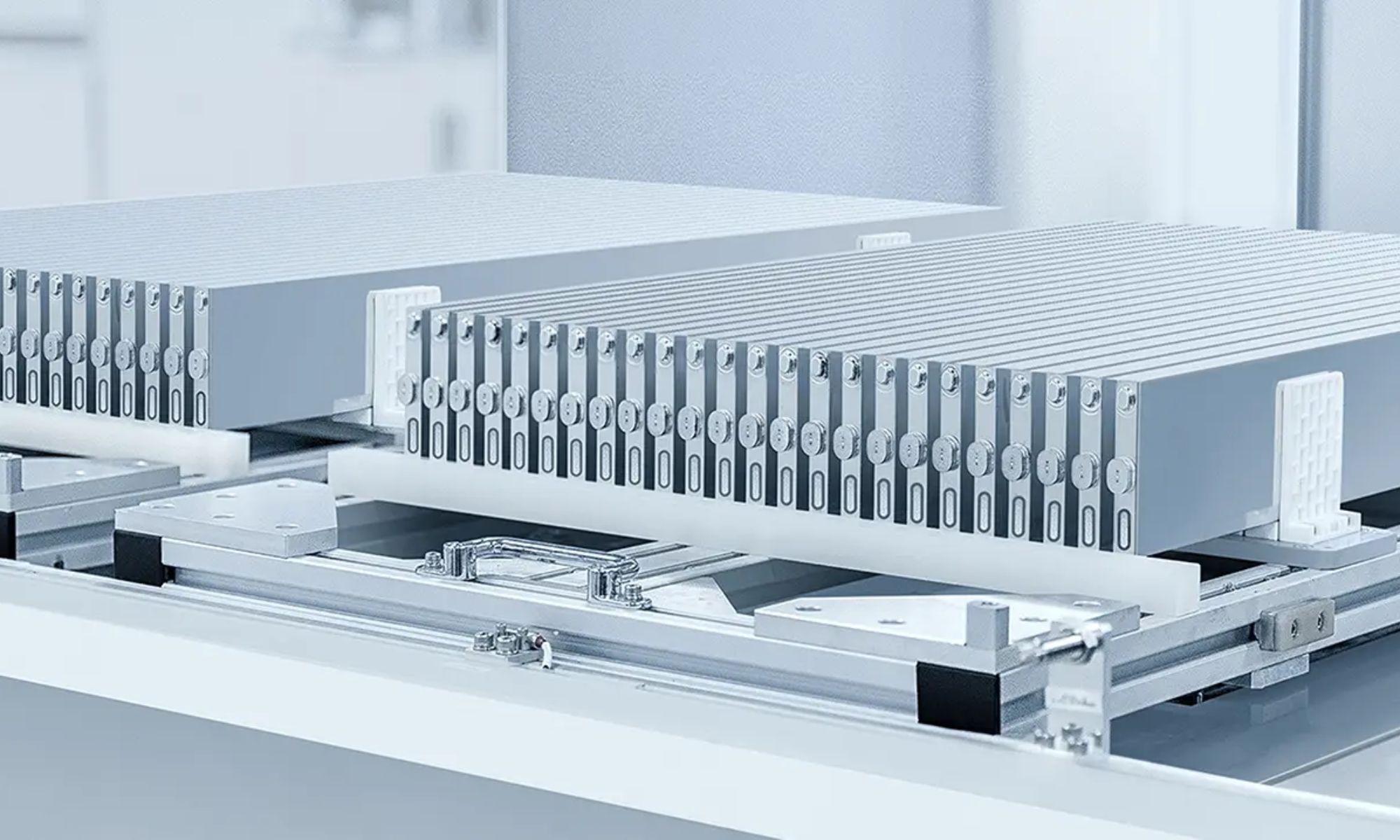
That remains one of the biggest caveats surrounding solid-state batteries. While breakthroughs are announced frequently, commercialization can take years due to manufacturing complexity, durability validation, safety certification, and government regulatory testing.
Many battery companies are currently targeting commercialization windows between 2026 and 2028. Until then, traditional lithium iron phosphate (LFP) batteries are likely to remain dominant due to their lower cost, established supply chains, and proven reliability.
Still, the pace of development suggests the EV battery race is entering a far more aggressive phase – and China currently appears to be leading it.