1. Home
  2. Wearables
  3. News

RingConn’s Gen 3 smart ring launches with haptic alerts and 14-day battery life

The smart ring is available to pre-order today, starting at $314.

Add as a preferred source on Google
RingConn Gen 3 featured
RingConn

After teasing its next-gen smart ring at CES back in January, RingConn has now officially launched the Gen 3. The company is offering a pre-order discount to kick things off, with pricing starting at $314 through May 28, rising to $349 after that. There are no subscription fees attached, which, in a market where recurring charges have become increasingly common, is worth noting.

Haptic alerts and long battery life

The RingConn Gen 3 ships with the features previewed at CES, including a built-in vibration motor that can alert you to things like an elevated heart rate, step goal completion, or low battery. It is a notable addition for a form factor that has typically been entirely passive, though it’s worth mentioning that haptic alerts aren’t available for call, text, or app notifications.

The ring weighs between 2.5 and 3.5 grams, depending on size, and RingConn rates battery life at up to 14 days with vibration off. That puts it well ahead of Samsung’s Galaxy Ring, which tops out at around 7 days at a similar weight. Sizes run from 6 through 15, and the ring comes in five finishes: Future Silver, Royal Gold, Matte Black, Brushed Silver, and Brushed Rose Gold.

Blood pressure monitoring is coming, but not live yet

Blood pressure monitoring was among the highlights when RingConn first showed off the Gen 3 in January, but it’s not live at launch. RingConn says it will be added through a future software update.

Recommended Videos

When it does arrive, it will use a combination of heart rate, SpO2, skin temperature, and motion data to estimate blood pressure risk rather than measure it directly. The company has been clear that this is a pattern-spotting tool, not a replacement for a medical device.

If you’re in the market for a smart link and the idea of one that can actually get your attention appeals to you, the Gen 3 is worth a look. Just go in knowing that one of its headline features has not shipped yet.


Pranob Mehrotra
Pranob is a seasoned tech journalist with over eight years of experience covering consumer technology. His work has been…
Xreal Aura glasses put Android on your face and they will “try” to cost under $1,500
Xreal Aura tries to squeeze a whole XR headset into glasses
Person wearing Xreal Project Aura smart glasses.

Xreal Aura is now one step closer to landing on your face. The company has opened reservations for Xreal Aura, its Android XR-powered smart glasses built with Google. The device was previously known as Project Aura, and it is shaping up to be one of the most important early tests for Android XR beyond full headset hardware.

Xreal is marketing Aura as a portable spatial computing device in a glasses-style form factor. So it's more than just a simple pair of glasses that records or keeps track of your notifications. Aura combines lightweight glasses with a dedicated compute puck, letting the heavier processing and battery hardware sit off your face.

Read more
Samsung Display just showed why XR’s future may come down to better tiny screens
Its AWE USA lineup connects high-brightness OLEDoS, MR demos, and glasses-free 3D concepts into one bigger bet.
Galaxy XR

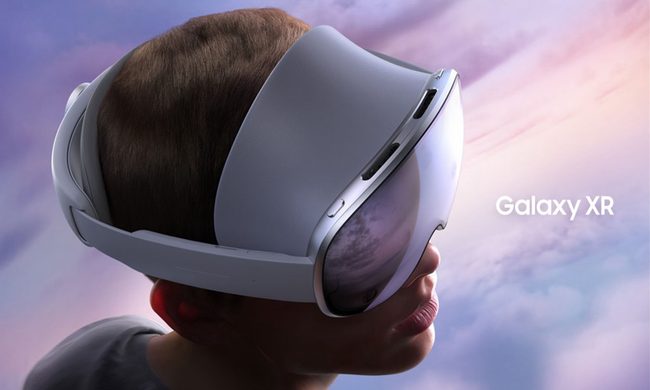
Samsung Display is using AWE 2026 to push RGB OLEDoS as a core building block for the next wave of XR hardware. The showcase centers on displays designed for mixed reality headsets and augmented reality smart glasses, where brightness, size, and efficiency all collide.

The standout spec is a 1.3-inch RGB OLEDoS panel rated at 40,000 nits. Samsung Display is presenting it in a dark-room Big Dipper installation, where only two of seven panels use the ultra-bright tech to make the brightness and color gap obvious. It’s a booth demo with a sharper message underneath.

Read more
Got a smartwatch? You can now join a study measuring how the football world cup is affecting your heart
Your World Cup heartbreak might be valuable smartwatch data now
Heart rate on the Apple Watch Series 7.

Watching the World Cup can be an intense (and fun) affair that makes your heart race. And now, your smartwatch could be ready to track just how worked up you got over your favorite team winning or losing. Researchers at Bielefeld University are inviting football fans to join the World Cup Fever Study, a project that uses smartwatch and fitness tracker data to measure how fans physically respond to matches during the 2026 FIFA World Cup.

The study is looking at heart rate, stress levels, movement, and sleep to understand how football events like goals, wins, losses, and tense moments show up in the body.

Read more