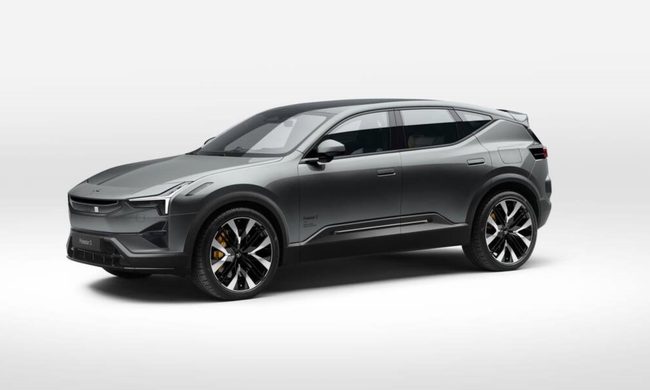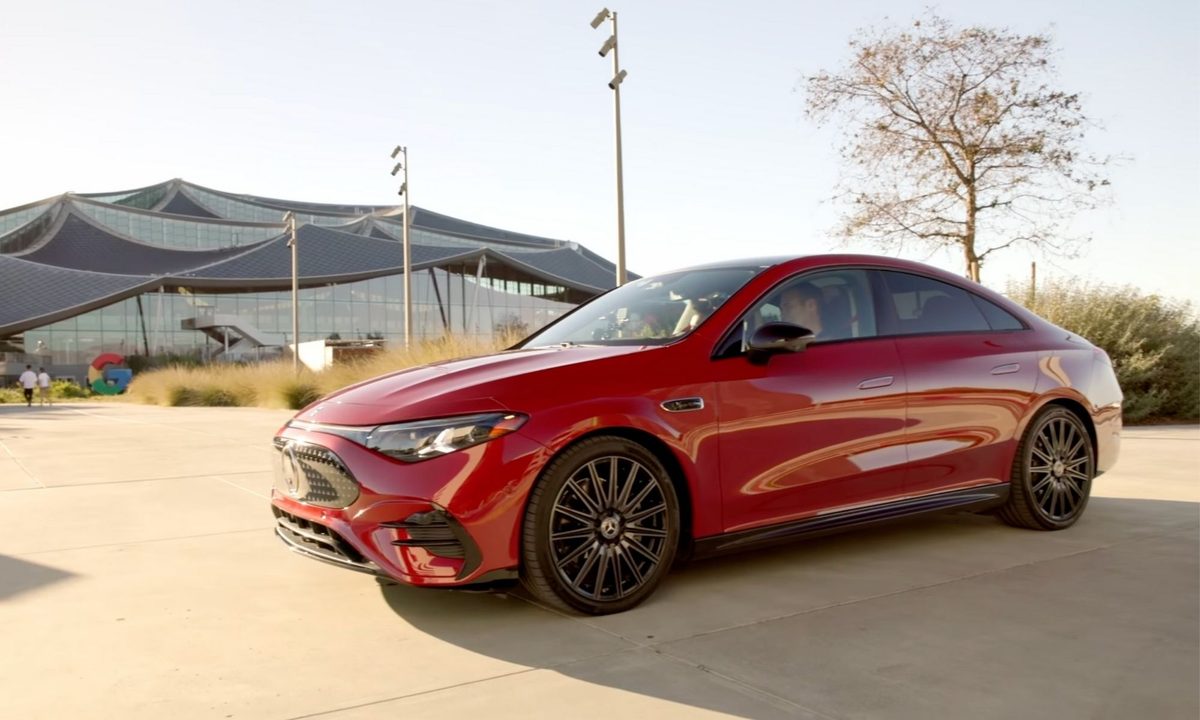
What’s happened? Google and Mercedes-Benz just gave us a first glimpse at what happens when Gemini leaves your phone and enters the car. Google and Mercedes took a CLA for a spin on Google’s campus, and interacted with Gemini through the car’s built-in systems, showing off seamless conversational commands and context awareness.
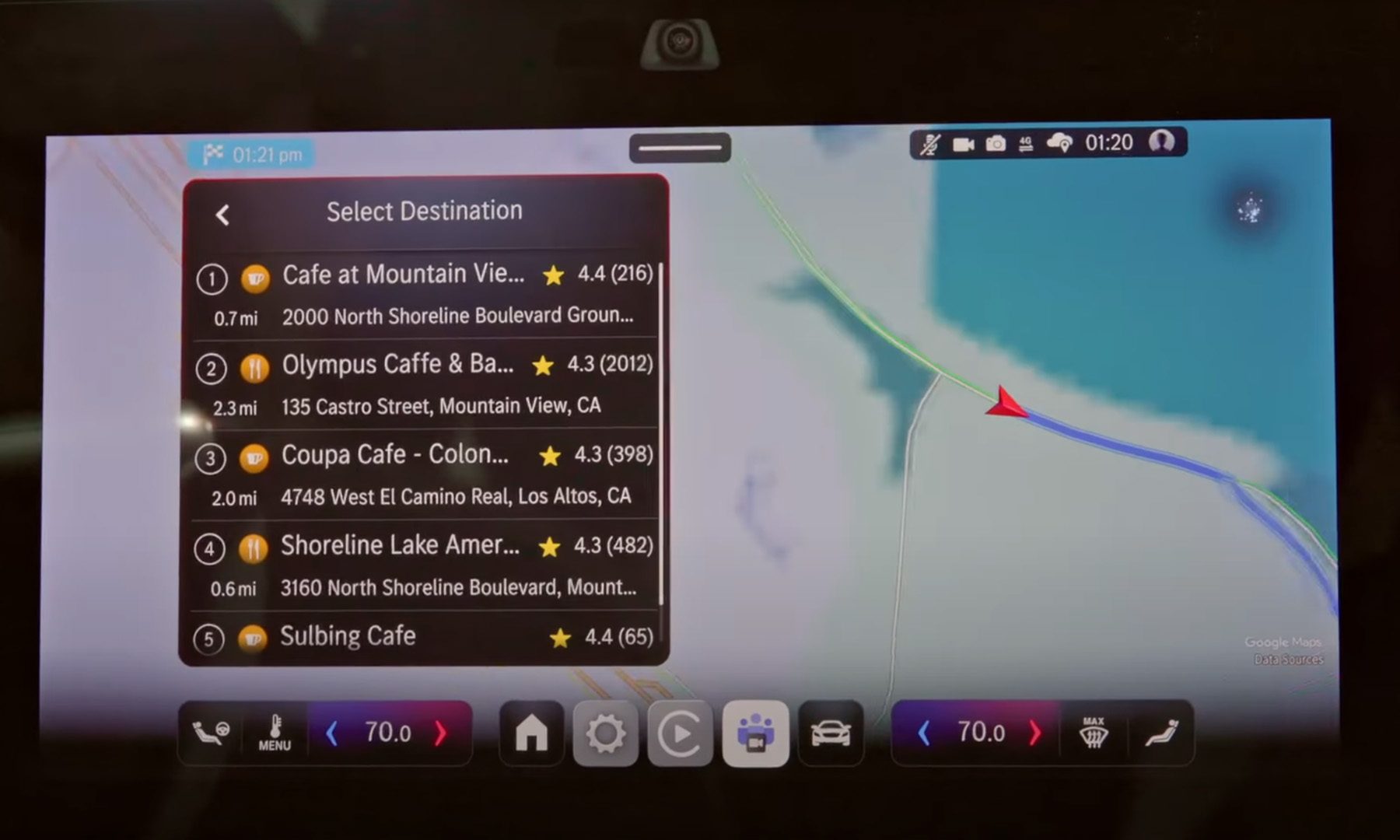
- The Gemini-powered MBUX assistant handled follow-ups naturally. When asked to find nearby cafés and whether they serve pastries, it responded in context.
- The system pulled data from Google Maps and business listings to answer nuanced queries (e.g., “Does this place have a wine list?”) and even offered to place a call.
- Mercedes says the CLA will be the first production car to ship with this Gemini tech, launching in the U.S. before the end of 2025.
- Though Gemini for cars has been discussed before, this is one of the clearest live demos showing how it differs from the existing Google Assistant in auto contexts.
Why this is important: This marks a shift from voice assistants to conversational AI agents in cars, which could make all the difference in redefining how we talk to vehicles. Gemini’s stronger context handling could make the car’s virtual assistant a more helpful, less frustrating part of the drive.
- It moves us closer to cars that understand follow-ups and multi-step requests, rather than forcing one-off commands.
- Supports Google’s broader strategy of phasing out Assistant in favor of Gemini across devices.
- Gives Mercedes (and eventually other car makers) a path to making their in-car assistants smarter, without relying purely on command lists.
Why should I care? Well, for drivers, this could mean asking for things more naturally. One could say, “Find a coffee shop along my route that’s open now with desserts”, and they’d receive useful, context-aware answers. Gemini in-car could reduce friction in tasks like rerouting, exploring POIs, or managing calls, all hands-free.
- Fewer “I’m sorry, I didn’t get that” responses, since the AI is built to keep context.
- The car assistant may shift from a tool to a conversation partner, picking up on nuance.
- Because it integrates with Google Maps and business data, it will likely give richer answers and suggestions.
Okay, so what’s next? We expect Mercedes to reveal official specs, deployment plans, and regional rollouts soon. Google’s blog says Gemini in cars will come via both Android Auto and Google-built cars later this year, opening the door for broader adoption across brands. If the end-user experience is stable, other OEMs could also adopt the same tech, so we’ll keep an eye on partnerships and performance tests.