  1. Home
  2. Cars
  3. News

Rivian is partnering with Uber to put thousands of robotaxis on the road

Uber's $1.25 billion bet on Rivian's R2 robotaxi could reshape how millions of people hail a ride across 25 cities by 2031.

Add as a preferred source on Google
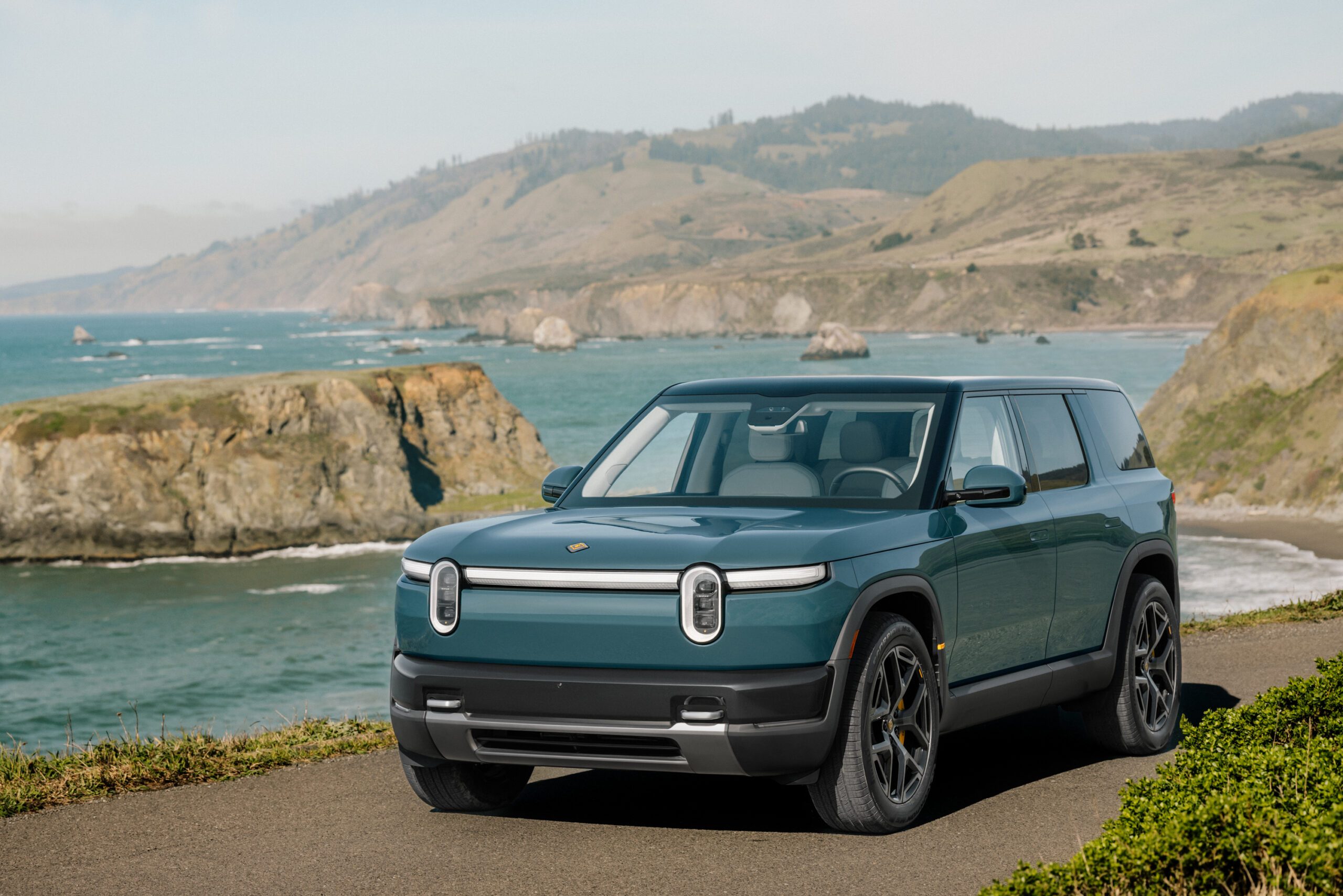
Rivian R2 featured image.
Rivian

Uber and Rivian have announced a strategic deal that could deploy up to 50,000 robotaxis (fully autonomous vehicles) on the road by 2031. 

As part of the partnership, Uber will invest $300 million in Rivian (equivalent to about 19.55 million Rivian shares), with the investment committed immediately upon signing. 
What will passengers experience on the ground?

In the first phase, Uber or its fleet partners could purchase the first 10,000 fully autonomous Rivian R2 EVs. From 2028, passengers in San Francisco and Miami could be hailing fully driverless Rivian R2s directly through the Uber app. 

Recommended Videos

Thereafter, Uber will have the option to purchase an additional 40,000 units from the automaker through 2031, to be deployed across 25 cities in the United States, Canada, and Europe. However, the bulk of the investment is tied to Rivian meeting the agreed-upon performance milestones. 

Uber has also agreed to pay licensing fees for Rivian’s autonomous driving software. For those catching up, the automaker’s third-generation autonomy platform combines 11 cameras, five radars, and one LiDAR, all powered by two in-house RAP1 chips (capable of delivering up to 1,600 TOPS of AI compute). 

The deal improves Rivian’s position as an autonomous technology provider 

It’s worth mentioning that Rivian is beginning consumer R2 sales this spring. Once that happens, the real-world driving data should help further improve the autonomous systems. It is Rivian’s stronghold over its hardware (the car) and the platform (the software) that convinced Uber to enter the deal. 

Following the announcement, Rivian’s stock jumped roughly 10%, signalling strong investor confidence in the partnership. The deal adds to Rivian’s existing $5.8 billion software partnership with Volkswagen, solidifying its position as an autonomous technology provider. 

For Uber, it is the most substantial robotaxi commitment the company has made, following earlier tie-ups with Lucid, Amazon’s Zoox, Stellantis, and Nvidia.

Shikhar Mehrotra
For more than five years, Shikhar has consistently simplified developments in the field of consumer tech and presented them…
Sony and Honda’s electric car dream with Afeela series is officially dead 
Sony Honda Mobility has shelved the Afeela 1 and its follow-up, and the EV market has another high-profile casualty.
Machine, Wheel, Adult

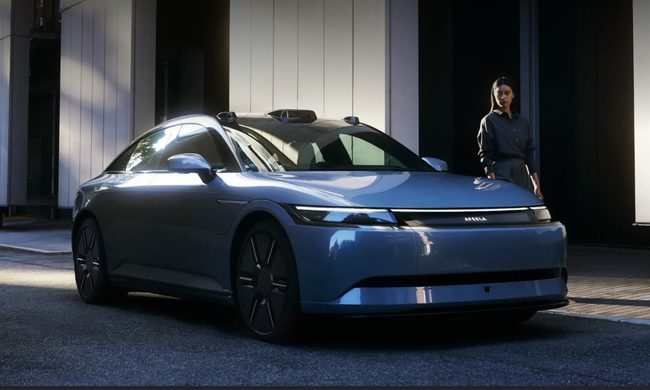
Sony and Honda’s shared dream of launching an electric car has just come to an end. The joint venture between the two brands — Sony Honda Mobility — has just announced that plans for the upcoming Afeela 1 electric car have been shelved. Additionally, the follow-up model has been nixed from the roadmap. 

But why did the Afeela go?

Read more
This AI checks if your driving habits signal crash risk
Researchers say eye tracking, heart rate, and personality data can flag risk early.
Person, Wristwatch, Car

A new AI model is taking aim at a question most drivers don’t ask soon enough. How likely are you to crash before you even start the engine?

The system looks at how you behave behind the wheel, pulling in signals like eye movement, heart rate, and personality traits to flag warning patterns early. Instead of waiting for real-world mistakes, it relies on simulated driving tests to surface behaviors linked to dangerous outcomes.

Read more
Android Auto connection issues leave Pixel and Samsung users stuck
Users report sudden failures, but there’s still no fix in sight.
Car, Transportation, Vehicle

Android Auto connection issues are leaving Pixel and Samsung users stuck at the worst moments, often when they need navigation or music during a drive. Reports have surged across forums, with drivers saying setups that worked reliably before are now failing without warning.

The problem affects both wired and wireless connections, though wired setups appear to be hit harder. In many cases, Android Auto won’t connect at all, or it drops out shortly after launching, which disrupts everyday use.

Read more