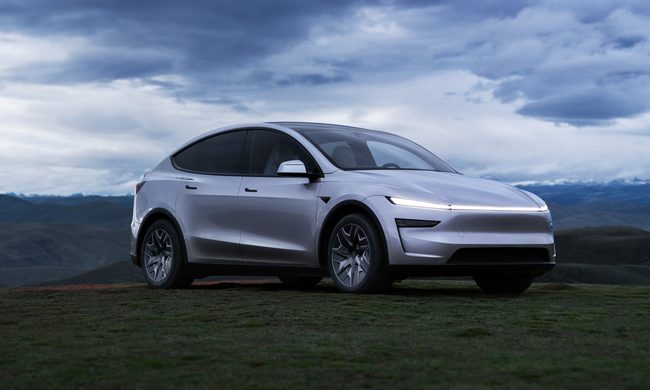
It feels like the end of an era for Tesla buyers in North America. The company has officially pulled the plug on “Autopilot” as a standard inclusion, signaling a massive shift toward a pay-to-play future. If you order a new Model 3 or Model Y today, it won’t come with the lane-keeping tech that used to be a hallmark of the brand. Instead, you are left with basic cruise control – pretty much the same “dumb” system you’d find on an economy car from a decade ago – unless you are willing to sign up for a monthly subscription.
This pivot is clearly about money and control. Elon Musk has been hinting at this for a while, but the timeline is now set in stone: the option to buy Full Self-Driving (FSD) for a one-time fee of around $8,000 is disappearing on February 14, 2026. After that date, it is subscriptions all the way down, currently priced at about $99 a month. Musk has already warned that this price will likely climb as the software gets smarter, effectively turning driver assistance into a recurring utility bill rather than a feature you own. It is essentially the “Netflix-ification” of your daily commute.
There is also a significant legal angle here that can’t be ignored
California regulators have been breathing down Tesla’s neck about the “Autopilot” name being misleading for years, arguing it gave drivers a false sense of security. By killing the “Autopilot” branding and rolling the advanced features into the paid FSD tier, Tesla essentially sidesteps that fight while simultaneously smoothing out its revenue stream. It is a strategic masterstroke: appease the regulators and force users into a payment model that looks better on quarterly earnings reports.
For existing owners, nothing changes
Your car keeps the features it has, so there is no need to panic. But for new buyers, the value proposition just got significantly more complicated. You are no longer buying a car that steers itself out of the box; you are buying hardware that requires a monthly rent check to unlock its brain. It is a bold gamble that bets customers are hooked enough on the tech to keep paying forever. Considering only about 12% of owners were buying the software previously, Tesla is banking on the lower monthly entry price to hook a wider audience.
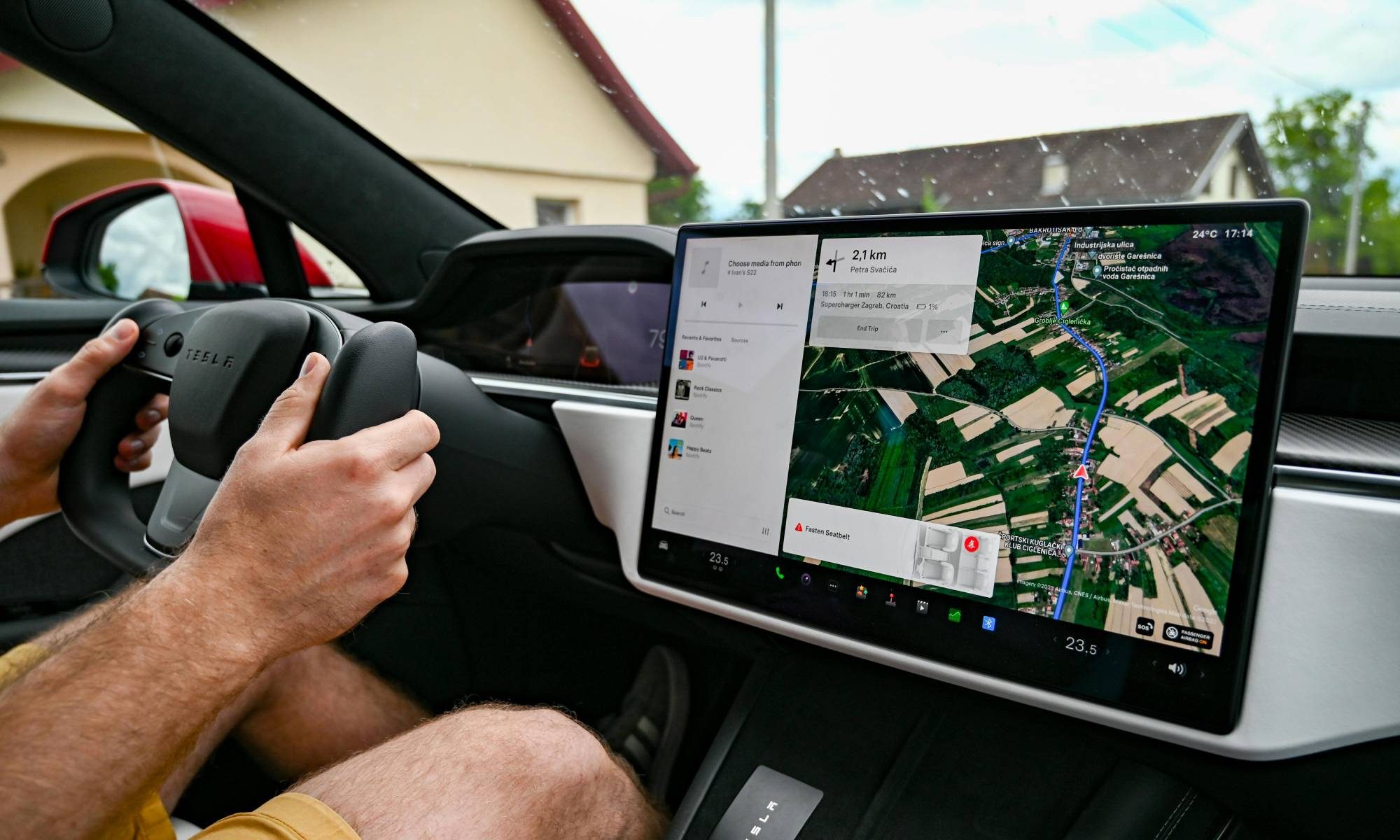
Ultimately, this forces a tough decision on buyers. Do you pay the monthly fee for safety and convenience, or do you drive a futuristic EV with archaic cruise control? Some might appreciate the flexibility of only subscribing during road trips, but for many, the idea of renting features in a car you already bought feels like a bitter pill to swallow. As Tesla pushes toward unsupervised driving, they are making it clear: the future of autonomy isn’t free, and it definitely isn’t a one-time purchase.