1. Home
  2. Cars
  3. Emerging Tech
  4. Mobile
  5. News

Uber wants flying taxis to soar above Los Angeles by 2020, with help from NASA

Add as a preferred source on Google

In the future, car traffic will have no effect on your taxi ride — at least, that is what Uber and NASA are counting on. On Wednesday, November 8, at the Web Summit in Lisbon, Portugal, Uber’s head of product Jeff Holden announced more details about Uber’s flying taxis program.

Holden said Los Angeles will be the third city Uber plans to use as a test site for its flying taxi project “Elevate” by 2020. Dallas and Dubai were the first two cities added as initial test sites for Uber’s flying taxi initiative in April. Holden also revealed Uber signed a Space Act Agreement with NASA in an effort to create a custom air traffic control system that would manage Uber’s fleet of low-flying aircrafts.

Recommended Videos

“[Los Angeles is] one of the most congested cities in the world today,” Holden said. “They essentially have no mass transit infrastructure. This type of approach allows us to very inexpensively deploy a mass transit method that actually doesn’t make traffic worse.”

Image used with permission by copyright holder

Uber also unveiled a concept video of how hailing a flying taxi would work. In a promotional video, a woman uses the Uber app to hail a flight on UberAir. Afterward, she enters a building and takes an elevator to the top floor labeled “Uber Skyport.” Once she’s reached the Skyport floor, she scans a QR code from her digital boarding pass on her phone to gain entry. She is accompanied by three other people in the aircraft with and there is an overhead display showing the flight path, elevation, speed, and arrival time.

Even if catching a flight becomes as easy as hailing a taxi, the UberAir fleet won’t be considered flying cars. Uber says the aircraft will be electric vertical take-off and landing vehicles (EVTOL). The EVTOL aircraft will possibly be autonomous and use distributed electric propulsion which will allow the vehicles to fly you around while making very little noise. But, these EVTOLs never hit the road, nor do they have an essential component of anything related to a car.

The tagline at the end of the promotion video reads “closer than you think.” With companies such as Air Bus and Boeing working on their own flying car fleet, Uber’s promise may be truer than you may believe.

Keith Nelson Jr.
Former Staff Writer, Entertainment
Keith Nelson Jr is a music/tech journalist making big pictures by connecting dots. Born and raised in Brooklyn, NY he…
Tesla’s arch rival has already won at charging tech. Now, it’s testing a self-driving breakthrough
Transportation, Vehicle, Car

BYD has made no secret of its ambition to build more of its own technology. That includes everything from batteries to electric motors, and now even the AI chips that power advanced driver assistance systems. But despite all that momentum, the company’s latest move suggests it’s not ready to cut ties with outside chipmakers just yet. Instead, BYD appears to be taking the practical route.

A smart detour before the destination

Read more
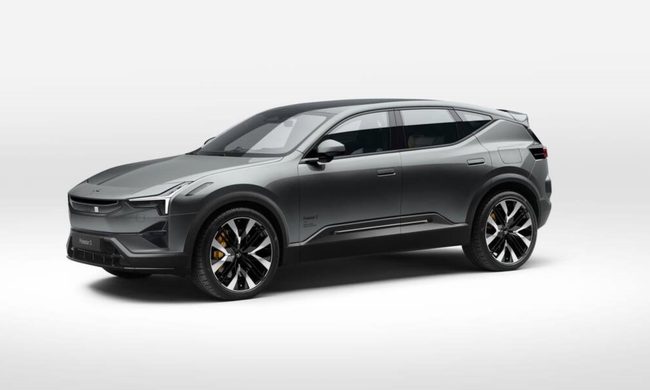
Polestar forced to exit the US market. It’s a shame we won’t see its refined design anymore
Boring EVs caught a break as Americans lose Polestar
polestar-3-ev

Polestar, the Swedish EV brand controlled by China’s Geely, has been denied authorization under the US Connected Vehicle Rule. As a result, it will not be able to sell vehicles in the US from the 2027 model year onward. The company is not disappearing from American roads overnight. Polestar says it will continue selling existing US inventory of the Polestar 3 and Polestar 4, and current owners will still have access to service support. But for future models, the door is effectively closing unless something changes.

Polestar 3

Read more
The Wild West era of robotaxis is starting to end
New global rules could replace patchwork regulation with stricter safety proof for driverless fleets.
Self driving car from Waymo

Robotaxi rules have entered their first global phase. A UN vehicle standards forum has adopted the first international framework for fully autonomous vehicles, giving driverless fleets a common safety baseline across major markets.

The move lands while robotaxis are expanding from test programs into a bigger commercial race. In the US and China, private fleets more than doubled in 2025 to 8,000 vehicles across more than two dozen major cities.

Read more