Volkswagen and Ford previously established an alliance focused on commercial vehicles, but the two automakers will also work together on electric cars, according to a new report. Following reports of an expanded partnership, Ford and VW confirmed that they will work together in these two areas of technology.
The agreement will allow Ford to use Volkswagen’s MEB platform for electric cars. MEB will be the basis for a family of electric Volkswagens, starting with the I.D. 3 hatchback, and eventually encompassing models like a crossover based on the I.D. Crozz concept, as well as a reborn electric version of the classic Microbus. When it comes to electric cars, MEB is one of VW’s most valuable assets. Ford will launch an MEB-based vehicle in 2023, according to a press release from the automaker, but U.S. sales haven’t been confirmed.
This is Ford’s second notable electric car partnership. The Detroit automaker recently announced a deal with startup Rivian. Ford will invest $500 million in Rivian, and use the startup’s “skateboard” platform to develop a future electric vehicle. Rivian’s platform was designed for a pickup truck and SUV, so it’s likely Ford will use it for similar purposes. This is a very different application from the smaller cars Volkswagen’s MEB platform was designed to underpin.
In addition to the model co-developed with Rivian, Ford plans to launch an all-electric version of its bestselling F-150 pickup truck, and a “Mustang inspired” electric crossover. Access to Volkswagen’s MEB platform would give Ford an easy way to develop electric passenger cars to go with these more rugged vehicles, but Ford’s current disinterest in selling cars in North America could mean those models never reach our shores.
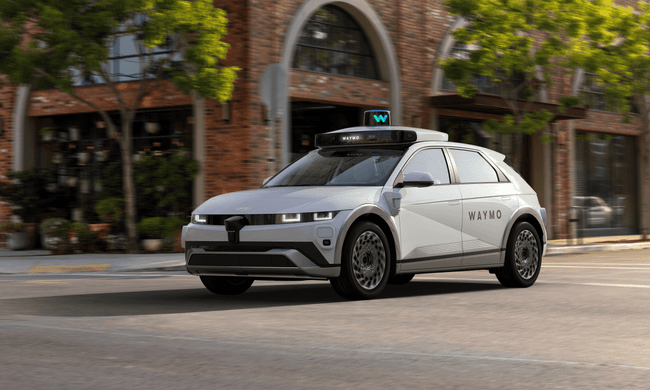
The second major component of the agreement is a Volkswagen investment in Argo A.I., the autonomous-driving tech startup already backed by Ford. The German automaker will contribute $2.6 billion, including $1 billion in funding and the creation of a $1.6 billion company called Autonomous Intelligent Driving (AID). Staffed by veterans of VW’s in-house self-driving car development program, AID will function as Argo A.I.’s European arm. Volkswagen will also purchase $500 million in Argo A.I. shares from Ford over three years. Ford previously announced that it would invest $1 billion in Argo A.I. Both Ford and VW want to use Argo A.I.’s autonomous-driving tech in their future production cars.
The Volkswagen and Ford partnership currently focuses on commercial vehicles. The two automakers previously said that Ford would develop medium-sized pickup trucks launching in 2022 for global markets. Ford will follow that with a large commercial van for Europe, while VW will develop a smaller van aimed at urban use.
Updated on July 12, 2019: Added confirmation of VW’s investment in Argo A.I. and Ford’s use of the VW MEB platform.