
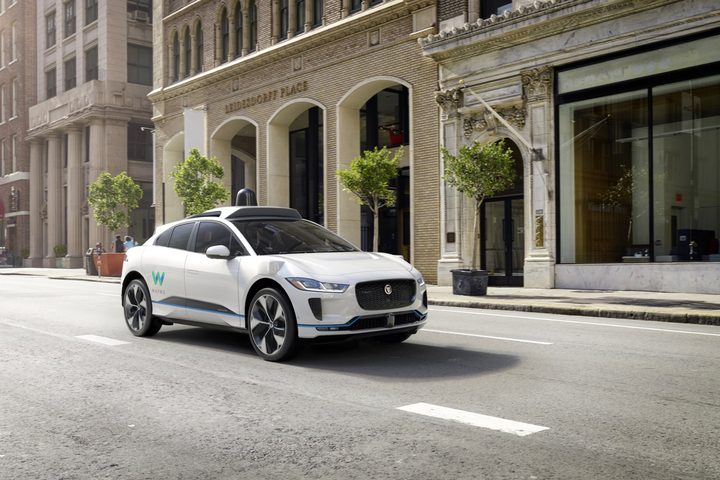
Waymo’s self-driving car program has reached a significant milestone. The prototypes in its fleet have collectively logged 10 million miles of testing on public roads. John Krafcik, the mastermind behind the program, believes Waymo, a sister company to Google under holding company Alphabet Inc., will make even greater leaps over the next 10 million miles — and reaching the 20-million-mile mark won’t take as long as it might sound.
“While we’ve made great strides thanks to these 10 million miles, the next 10 million will focus on turning our advanced technology into a service that people will use and love,” Krafcik wrote in a Medium post.
Waymo currently operates an early rider program in Phoenix, Arizona. The company analyzes the feedback it receives to fine-tune every aspect of the program, from the way riders interact with the app used to request a ride to the way its cars handle complex traffic conditions. Engineers are developing improved sensors and leveraging the power of artificial intelligence to make the ridesharing program accessible to more riders across the nation. One of the goals is to teach Waymo’s prototypes — which are based either on the Chrysler Pacifica Hybrid or the Jaguar I-Pace — to safely navigate heavy rain and snow.
Krafcik pointed out Waymo programs its cars to drive cautiously and courteously, but there are situations in which it’s necessary to drive more aggressively. Merging onto a busy freeway requires a certain degree of determination that the firm wants to teach its cars to exhibit without compromising user comfort. “We’re working on striking the balance between [caution and courtesy] and being assertive as we master maneuvers that are tough for everyone on the road,” the CEO explained.
Engineers are also taking steps to make the ridesharing service easier to use. They’re notably searching for ways to make pick-ups and drop-offs more convenient.
Krafcik didn’t predict how long it will take for Waymo’s fleet to drive an additional 10 million miles but the tech giant has picked up the pace in recent months. In July 2018, Waymo announced its cars were driving about 25,000 miles a day. The fleet crossed the eight million-mile mark about a month after it hit seven million miles, and Digital Trends reported it had doubled its mileage in just eight months. At this rate, it will take roughly 400 days for Waymo to reach 20 million miles.


