1. Home
  2. Cars
  3. Emerging Tech
  4. News

The UK’s Wayve brings its AI automated driving software to U.S. shores

Add as a preferred source on Google
wayve ai automated driving us driver assist2 1920x1152 1
Image used with permission by copyright holder

It might seem that the autonomous driving trend is moving at full speed and on its own accord, especially if you live in California.

Wayve, a UK startup that has received over $1 billion in funding, is now joining the crowded party by launching on-road testing of its AI learning system on the streets of San Francisco and the Bay Area.

The announcement comes just weeks after Tesla unveiled its Robotaxi at the Warner Bros Studios in Burbank, California. It was also in San Francisco that an accident last year forced General Motors’ robotaxi service Cruise to stop its operations. And it’s mostly in California that Waymo, the only functioning robotaxi service in the U.S., first deployed its fleet of self-driving cars.

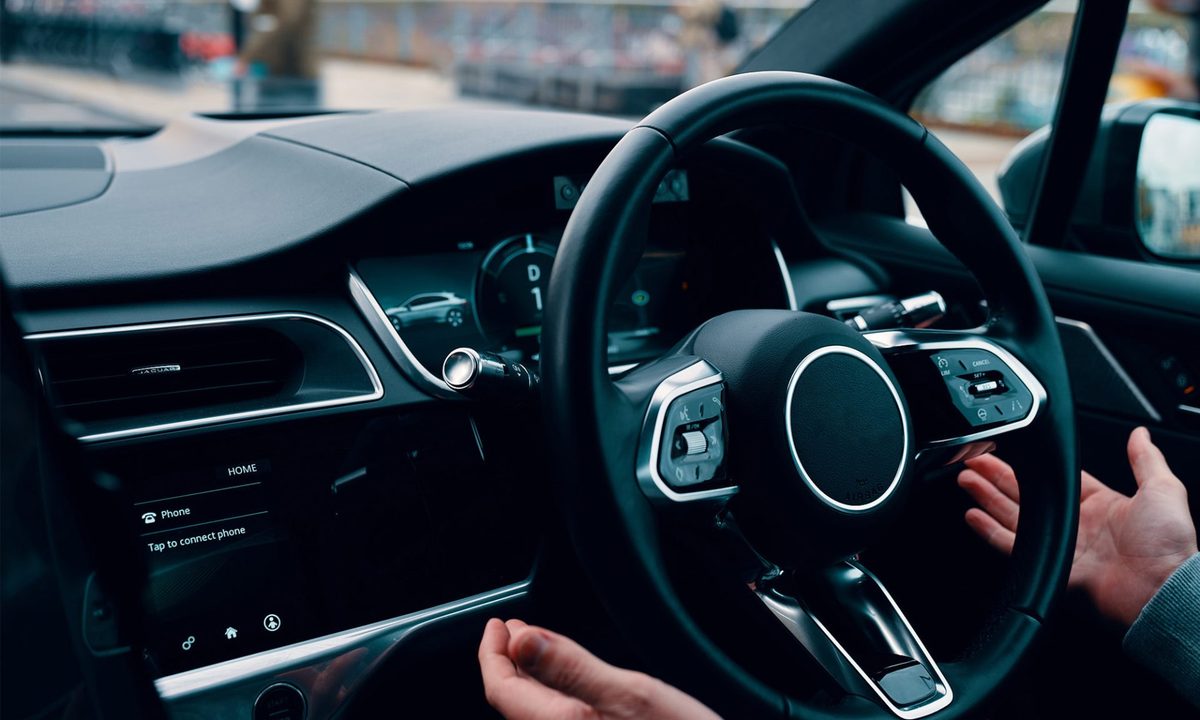
As part of its move, Wayve opened a new office in Silicon Valley to support its U.S. expansion and AI development. Similarly to Tesla’s Full-Self Driving (FSD) software, the company says it’s using AI to provide automakers with a full range of driver assistance and automation features.

“We are now testing our AI software in real-world environments across two continents,” said Alex Kendall, Wayve co-founder and CEO.

The company has already conducted tests on UK roads since 2018. It received a huge boost earlier this year when it raised over $1 billion in a move led by Softbank and joined by Microsoft and Nvidia. In August, Uber also said it would invest to help the development of Wayve’s technology.

Just like Tesla’s FSD, Wayve’s software provides an advanced driver assistance system that still requires driver supervision.

Before driverless vehicles can legally hit the road, they must first pass strict safety tests.

So far, Waymo’s technology, which relies on pre-mapped roads, sensors, cameras, radar, and lidar (a laser-light radar), is the only of its kind to have received the nod from U.S. regulators.

Nick Godt
Former Freelance reporter
Nick Godt has covered global business news on three continents for over 25 years.
Polestar forced to exit the US market. It’s a shame we won’t see its refined design anymore
Boring EVs caught a break as Americans lose Polestar
polestar-3-ev

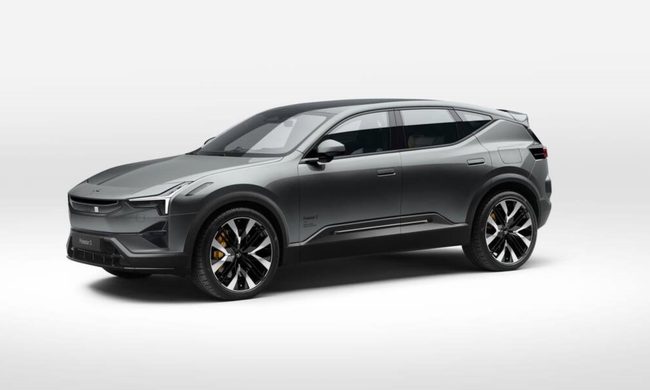
Polestar, the Swedish EV brand controlled by China’s Geely, has been denied authorization under the US Connected Vehicle Rule. As a result, it will not be able to sell vehicles in the US from the 2027 model year onward. The company is not disappearing from American roads overnight. Polestar says it will continue selling existing US inventory of the Polestar 3 and Polestar 4, and current owners will still have access to service support. But for future models, the door is effectively closing unless something changes.

Polestar 3

Read more
The Wild West era of robotaxis is starting to end
New global rules could replace patchwork regulation with stricter safety proof for driverless fleets.
Self driving car from Waymo

Robotaxi rules have entered their first global phase. A UN vehicle standards forum has adopted the first international framework for fully autonomous vehicles, giving driverless fleets a common safety baseline across major markets.

The move lands while robotaxis are expanding from test programs into a bigger commercial race. In the US and China, private fleets more than doubled in 2025 to 8,000 vehicles across more than two dozen major cities.

Read more
Google Meet finally lands on Android Auto, giving you one less excuse to skip a meeting
Android users can now join scheduled meetings and audio calls from their car's dashboard, catching up to what iPhone users have had for months.
Google Meet on Android Auto

Android Auto is finally getting Google Meet, months after the video conferencing app made its debut on Apple CarPlay. Android users can now pull up scheduled meetings and dial recent contacts straight from their car's display instead of reaching for their phone.

How it works behind the wheel

Read more