Computers aren’t the centerpiece of the Consumer Electronics Show, not only because of the rise of new technologies, but also because of a shift away from the show by many PC manufacturers. Almost all of the companies that make computers, or the software that runs on them, are now big organizations with massive press teams, and some even host conferences of their own.
Yet CES remains an important indicator of the PC’s path. The show often sets the tone for the following year, as the hardware revealed in Vegas usually takes months to appear and, in extreme cases, won’t show up in stores until the back-to-school buying season. Here are the five trends we picked up on this year – and how you can expect them to impact the desktops and laptops sold throughout 2014.
1080p becomes standard, 4K is the new frontier
LG’s stunning OLED 4K television was so impressive it nearly won our Best Of Show award, but it was far from the only 4K device we saw. Both Lenovo and Toshiba announced 4K laptops, Panasonic revealed a 4K ToughPad, and multiple companies showed off new 4K desktop monitors.

While the move towards 4K is not surprising, the speed at which manufacturers have jumped on the technology is. You could be forgiven for forgetting that, just a few years ago, 1080p was a rarity among laptops and small monitors. Now 1080p is simply an expected feature in all but the least expensive PCs. Ultra HD has become the new frontier for display quality.
Exploring this frontier remains expensive for consumers, but it will become gradually less so throughout the year. Adoption by multiple manufacturers means two things that are good for your wallet; volume and competition. Larger orders for 4K panels will send prices southward, and competition will force manufacturers to fight tooth-and-nail for the honor of listing the least expensive 4K laptop or monitor. The pieces will be in place to take 4K computing mainstream by the time next year’s CES opens its doors.
Going (almost) bezel-less
We fell in love with the LG Ultra PC, which won our Best Of Computing award, at first sight. Our initial lust was triggered by the display’s thin bezels, which are as thin as four millimeters. This simple but striking design touch made the laptop look far more modern than any competitor on the show floor.
Yet it would be wrong to suggest LG is the only company that cares about bezels. Many of the laptops we saw, including the Lenovo ThinkPad X1 Carbon and the Samsung ATIV Book 9, boasted remarkably little materials around their displays.

We expect thin-bezel design to become a trend in 2014, and not only because it looks good. Slimming the bezel also reduces the overall size of a system, which can make it lighter and more portable. Again, the LG Ultra PC provides a great example, as it weighs barely more than two pounds in spite of its 13.3-inch screen. Thin bezels may even kill off 11.6-inch and 12.1-inch laptops, because larger models with a sufficiently thin bezel are almost as small, yet offer a larger display.
Gesture controls are here, for better or worse
The decline of PC sales over the last year is no secret, and it’s ignited a palpable sense of desperation among some companies in the business. Intel, surprisingly, seemed the most frightened of all, and spent most of the show dispensing a smokescreen of big new ideas. Nowhere was the company’s fumbling attempt to regain control of the industry’s momentum more obvious than during its debut of the new RealSense 3D camera.
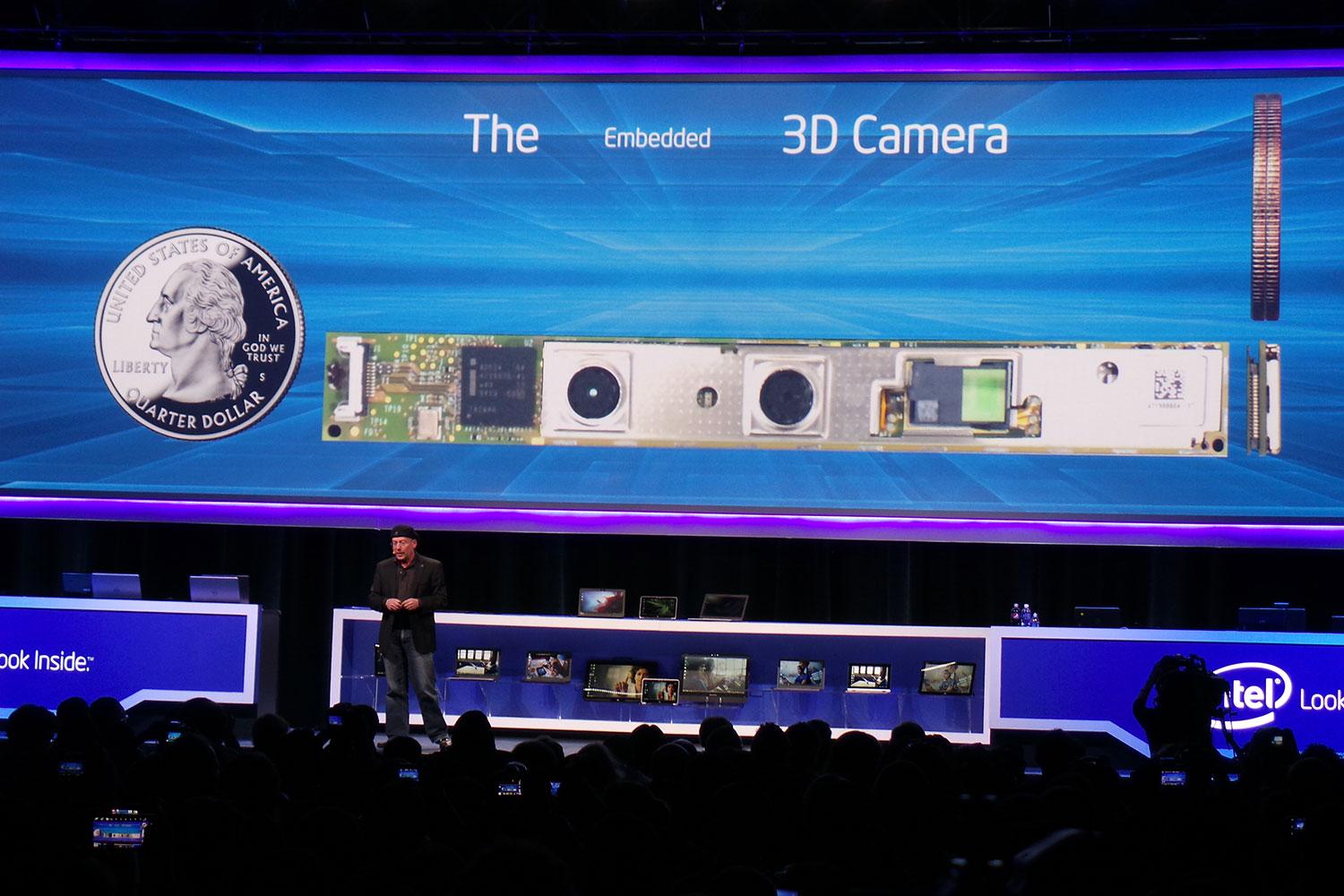
In theory, RealSense is a bold new technology that will allow users to interact with computers hands-free, and in three dimensions. In reality, it’s just an inaccurate and underwhelming 3D camera that can’t possibly live up to the promises made by its creators. Intel has declared that gesture control is coming mid-year, but that doesn’t mean it’s ready.
Intel wasn’t the only company getting into gestures, as Lenovo showed off its own gesture recognition software, making it the second manufacturer (the other being HP, which already places the Leap motion sensor in select models) to integrate gesture input. We expect that most major PC makers will jump on the bandwagon; whether consumers will care is another matter.
Integrating mobile with the PC
Another, more convincing feature shown by Lenovo at CES 2014, was the Aura interface with automatic smartphone detection. Demonstrated on the Horizon 2 table-top PC, Aura was able to detect an Android phone placed on the system’s touchscreen and then make photos and video stored on it accessible on the PC. This process took a matter of seconds and required little user interaction.

Lenovo’s not the only company looking to integrate mobile with PCs either. Samsung tackled the problem last year with an app called SideSync, which was available for demo with several PCs at the company’s booth.
And there’s no doubt more coming, at least until Windows integrates something similar. The “inconvenience” of connecting your phone to your PC to transfer data may seem like #firstworldproblems, but Apple’s iCloud and a variety of Wi-Fi sync apps for Android have already shown that this is a feature people want.
Windows has lost the plot
There were many things being talked about at CES 2014, but one major company was notably absent from the buzz; Microsoft. The company’s representatives, though present, were walled away in a private section of the Venetian hotel. A smart choice, really, as it prevents the public from walking up to ask “what’s new?”
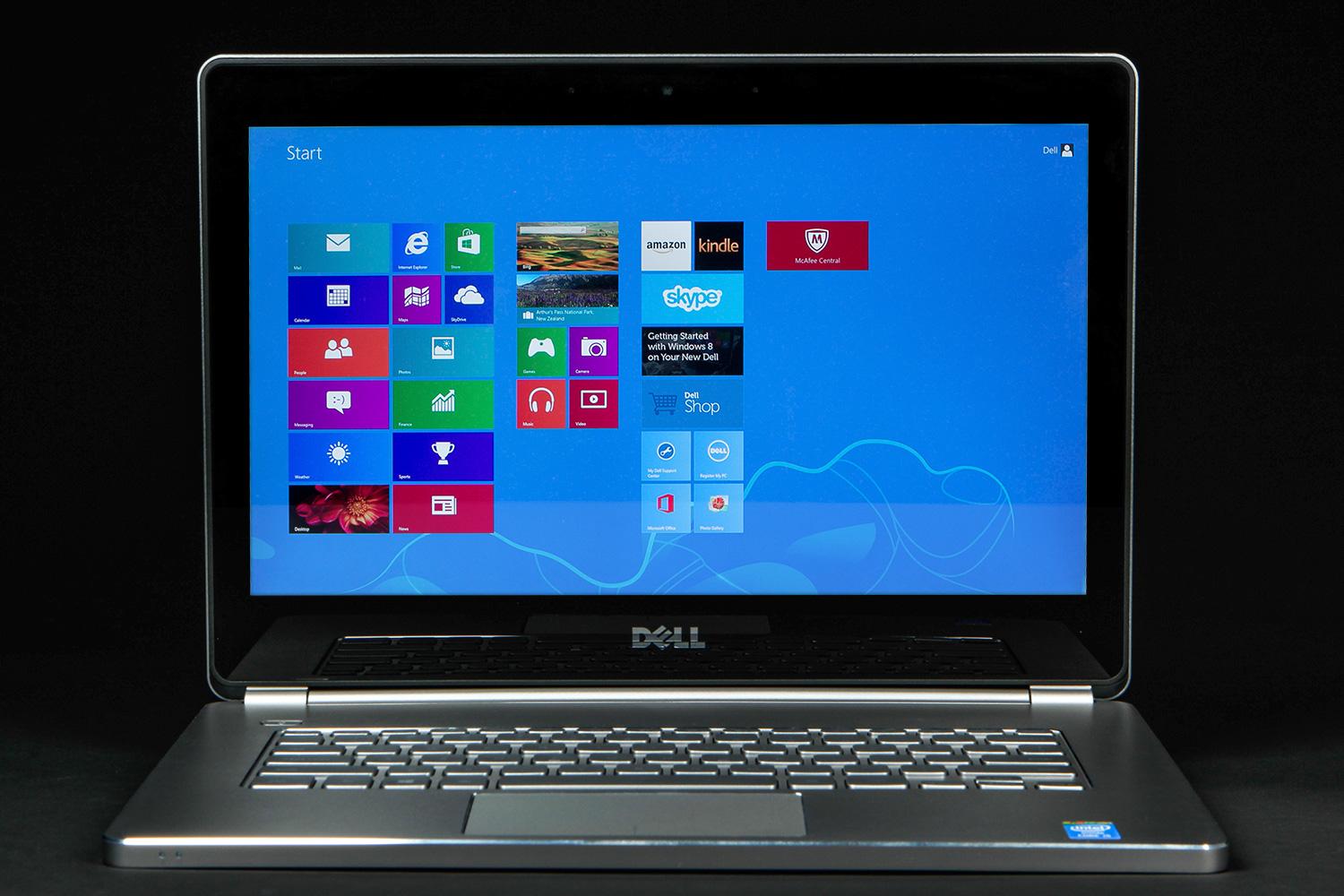
The answer, of course, would be “nothing.” The only operating system news at the show came from Intel’s reiteration that it can support Windows and Android on the same PC, a tidbit that isn’t new but is, finally, starting to result in some dual-boot retail systems. The fact that computer makers are reaching out to Android is itself indicative of Windows 8’s epic and on-going failure. Android isn’t much good on a PC, but manufacturers selling touchscreen computers have to do something.
Of course, Windows has had problems before. What’s different this time, though, is that Redmond’s failure has resulted in significant losses for both hardware and software companies. Windows was once the stable platform PCs grew upon, but now it’s a boat anchor holding them in place. New options like tablets, Android convertibles and Chromebooks are swooping in to take advantage of Microsoft’s weakness, and consumers will continue to flock to these alternatives throughout 2014, and it’ll be interesting to see whether Windows 9 could make up for and fix Win 8’s failings.
Conclusion
The tone set by the PC industry at CES 2014 is somewhat confused. New innovations like 4K displays, gesture controls and enhanced mobile integration show potential, but execution remains an issue, and the titans of computing (Intel and Microsoft) either gave PCs the cold shoulder or ignored the show completely. There’s room for new competitors in both hardware and software to challenge the old guard; but will they be successful? We’ll have to wait and see.
Image Credit: Matt Safford/Popular Science