  1. Home
  2. Computing
  3. Mobile
  4. Virtual Reality
  5. Wearables
  6. News

Acer’s focus grows with a new smartwatch, VR headset, and 360 camera

Add as a preferred source on Google

Acer’s announcement-packed Next@Acer event included a slew of products ranging from gaming computers to slim laptops, with a varying set of release dates. A few don’t quite fit into any other major product releases, instead focusing on emerging and developing areas of technology with novel additions to the concept.

First up, the Acer Leap Ware takes the fitness smartwatch and refines it with a couple of key features that play well as a team. Instead of Android Wear, Acer developed its own smartwatch software, built on a MediaTek MT2523 chipset with an MT2511 for heart rate sensing. With a screen built from Corning Gorilla Glass and an IPX7 water resistance rating, users will not have to worry about an unexpected rainstorm or accidental damage, and a built-in LED helps for those who do not take their phone on a run. Acer also provides social features through the Liquid Life app, where users can share their workouts and battle for coins in the Liquid Life marketplace. The Leap Ware will hit shelves in North American in July, starting at $139.

Recommended Videos

Next up, two products with less clear release dates. The first is the Acer Holo 360, a 360-degree camera that also makes phone calls. It has 4G built right in and a small screen, which allows for quick viewing, editing, and sharing, all without a smartphone.

Acer also announced that it’s working with Microsoft on the mixed reality headset units promised for Windows Holographic, and that development kits are already in capable hands. No word on when either of those products will find their way into users’ homes, or how much they will cost when they do.
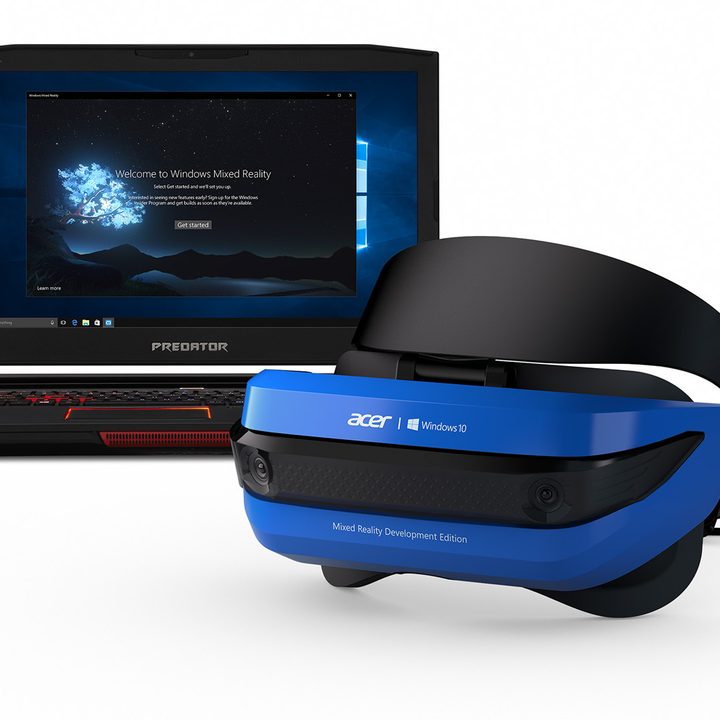
Image used with permission by copyright holder

Acer continues to find new and intriguing ways to reach into different product categories. We have been waiting for mixed reality headsets in particular for quite some time, so any sign of progress is appreciated. That said, Acer’s focus continues to fall squarely on computers, which made up the bulk of the content at this year’s press conference.

Brad Bourque
Brad Bourque is a native Portlander, devout nerd, and craft beer enthusiast. He studied creative writing at Willamette…
Brave’s new Container feature is a lifesaver for anyone juggling multiple accounts
With this feature, you won't need to open three different browsers
Brave browser 3D logo

Brave has added Containers to its desktop browser, giving users a built-in way to keep different accounts, sessions, and browsing activity separate. The feature is available in Brave 1.92 for Windows, macOS, and Linux, and is rolling out in phases over the next few days.

Containers have been a highly requested feature, especially for users who regularly switch between work, personal, developer, or creator accounts. Once enabled, they let users open tabs in separate spaces where cookies and site storage are not shared outside that container.

Read more
Intel may bring back older desktop CPUs because DDR5 is getting too expensive
Older Intel Core CPUs from 10th to 14th Gen may get a second life
Intel Core i5-12400F box sitting in front of a gaming PC.

Intel may be preparing an unusual response to the ongoing memory crunch. According to Chinese outlet ITHome, citing ChannelGate, the company’s latest production plan includes restarting production of 13th-gen and 14th-gen Core processors.

The move is expected to increase supply across Intel’s 10th, 12th, 13th, and 14th Gen CPU families, especially in mainland China. For DIY PC builders, the timing is important. DDR5 memory prices have climbed sharply, making newer platforms harder to justify for anyone trying to build an affordable gaming PC.

Read more
Amazon wants to design in-house chips for Kindles, Fire TV, and Echo speakers
Apple did it first. Amazon is doing it now, starting with 40 million chips a year and a partner most people have never heard of.
Amazon Kindle Scribe dark mode featured image.

Apple's decision to design its own chips reshaped the consumer electronics industry. Amazon may be about to make the same call, just about two decades later.

Supply chain analyst Ming-Chi Kuo reports that Amazon is preparing to shift away from externally sourced processors for its consumer electronics lineup, marking what he describes as the company's first major processor procurement change in 20 years. The transition is expected to begin in 2027.

Read more