  1. Home
  2. Computing
  3. News

AI fake news detectors are not as good as you think

A new study shows that AI fake news detectors have some serious blind spots.

Add as a preferred source on Google
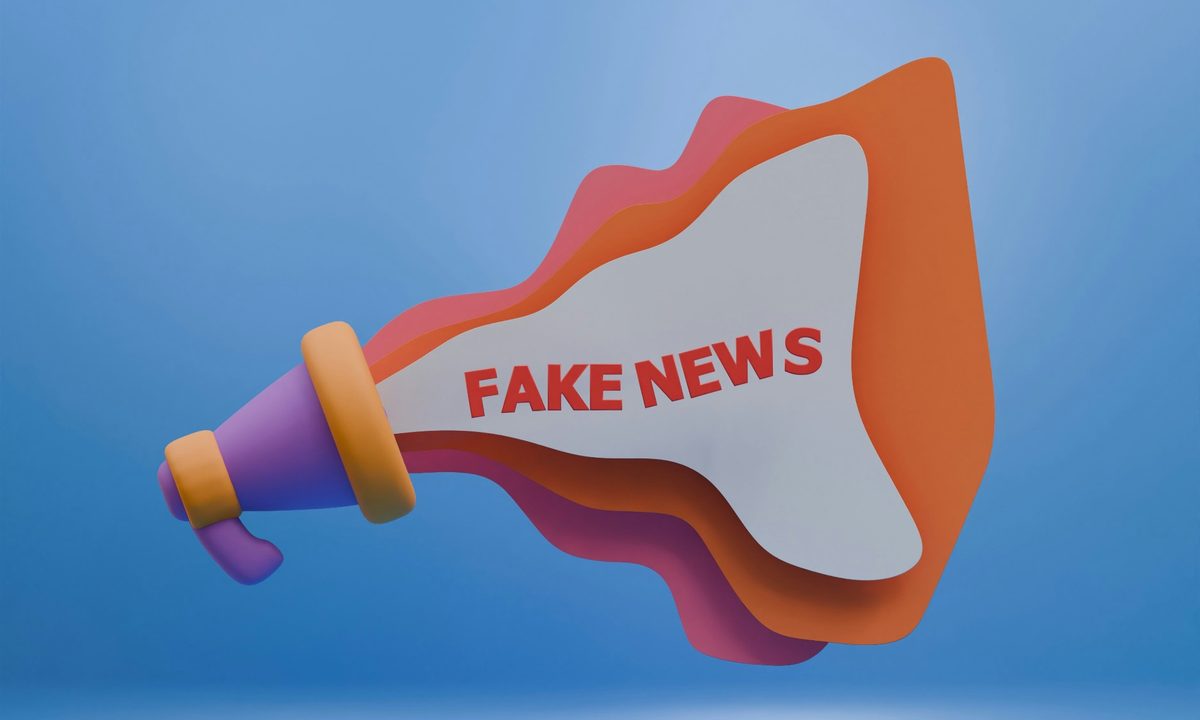
graphics showing a loudspeaker spilling fake news
Hartono Creative Studio / Unsplash

Tech giants like Meta, Google, and X are investing heavily in AI tools designed to detect fake news. It sounds reassuring, but according to a new study from the Université de Montréal, these tools have some serious drawbacks hiding behind impressive-sounding accuracy numbers.

Doctoral researcher Dorsaf Sallami examined AI fake news detection systems and found that they don’t actually fact-check anything. They calculate probabilities based on their training data. Think of it less like a journalist verifying a story and more like a mirror reflecting whatever it is shown, including the same biases and blind spots.

Recommended Videos

According to Dorsaf Sallami, a system that scores 95% accuracy in a lab setting can still fail in the real world, and that gap is a serious problem.

The bias problem nobody is talking about

Beyond accuracy, Sallami found that many of these systems carry embedded biases that largely go unnoticed. Some models are more likely to flag women as sources of misinformation. Others are biased against non-Western sources or reproduce political prejudices.

There’s also a deeper issue with how these systems are trained. They rely on labels from fact-checking organizations, many of which lack transparency and some of which are for-profit businesses. The entire system is built on a shaky foundation.

Add to that the rise of tools like ChatGPT that make fake content easier to produce than ever, and detection systems trained even a few months ago can quickly become obsolete.

A better approach

Sallami’s solution is Aletheia, a browser extension that explains why content might be suspect rather than just saying whether it is true or false. In tests, it achieved 85% reliability, outperforming many existing tools. What makes it different is its philosophy. Instead of handing you a verdict and expecting you to trust it, Aletheia shows its work. 
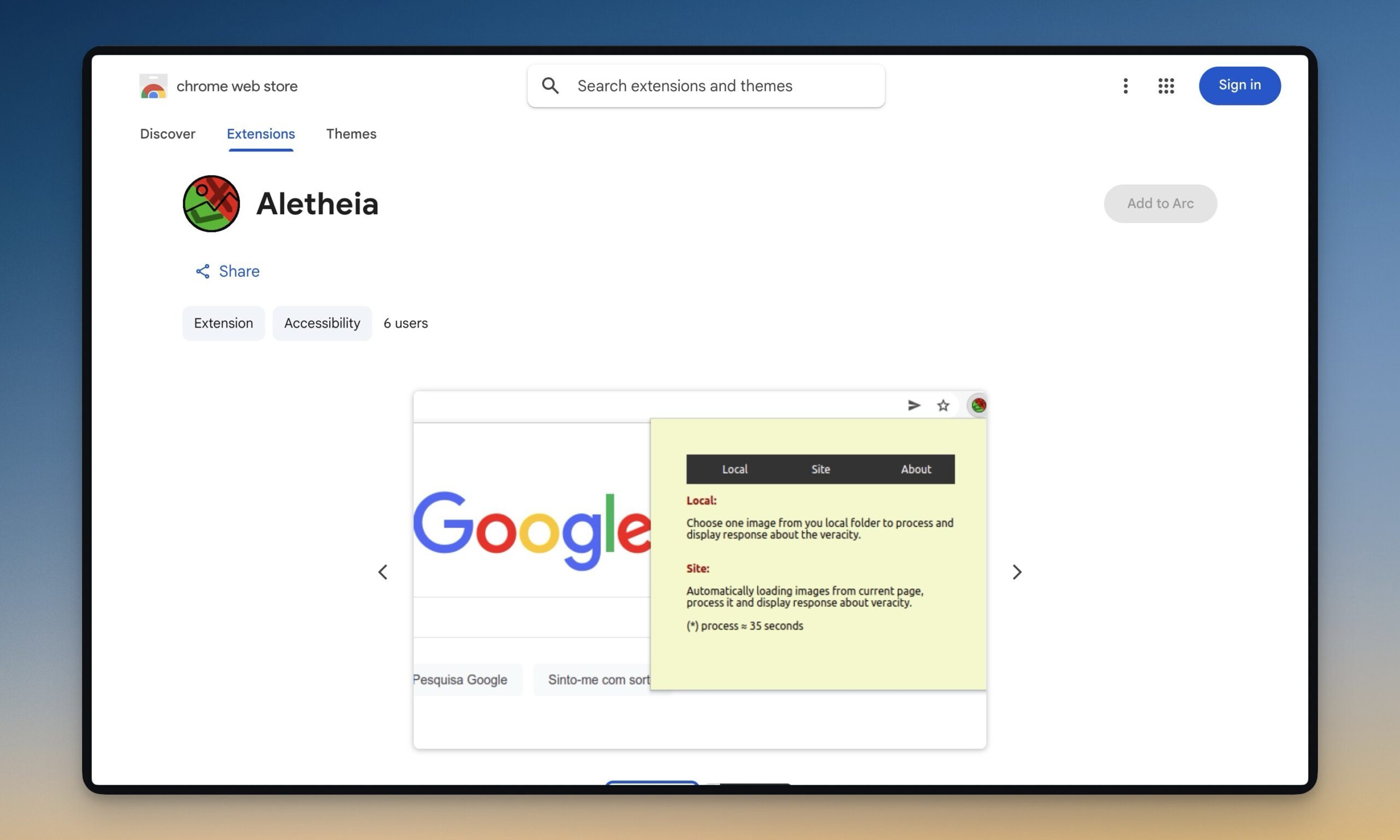
It pulls evidence from available online sources, presents it in plain language, and lets users make the final decision. It even includes a live feed of recent fact checks and a community forum where users can share and discuss findings. The takeaway is simple: AI should assist your judgment, not replace it.

Rachit Agarwal
Rachit is a seasoned tech journalist with over seven years of experience covering the consumer technology landscape.
Research shows educational institutes must not put too much faith in AI text detectors
A UF study shows these tools are so unreliable that the entire evidentiary basis for claims about AI-generated academic writing may need to be reconsidered from scratch.
Man using ChatGPT on a laptop

Here’s an uncomfortable thought for every academic institution currently using AI detectors to police student and researcher submissions: the tools don't work as reliably as institutions assume. 

A paper presented at this week’s 2026 IEEE Symposium on Security and Privacy by researchers at the University of Florida concludes that commercially available AI-generated text detectors are “poorly suited for deployment in academic or high-stakes contexts.”

Read more
AI may have just won a literary prize. My heart weeps seeing it poison our love for books.
updated book and AI photo

I had a hard time processing this news. As someone who has been deeply in love with stories since childhood and who grew up on the works of Arthur Conan Doyle, Terry Pratchett, J.R.R. Tolkien, and other such venerable authors, seeing an AI-written story win a prestigious writing award is hard to digest. 

If you are unaware, the winners for the Commonwealth Short Story Prize for 2026 were announced, and three of the five winning regional stories have been found to be entirely or partially written by AI. Or at least that seems to be the consensus among readers. As a reader and an amateur fiction writer, this hurt me deeper than any other tale of AI corroding our lives.

Read more
Canva and Adobe are coming to Gemini, and they want to make everything chatty
Adobe and Canva are plugging into Google’s assistant, betting that creative work starts with a prompt, not an app icon
Art, Collage, Photography

Canva and Adobe are moving deeper into Google Gemini, giving the assistant a bigger role before users ever open a design app.

Adobe says its "Adobe for creativity" connector is coming to Gemini in the coming weeks, giving users a way to describe tasks and send them through Adobe tools for imaging, design, and video. Canva is already rolling out its Connected App for Gemini in select English-language markets, with full availability coming soon.

Read more