1. Home
  2. Computing
  3. News

Windows 11 wants to run like a MacBook Neo, starting with memory efficiency

Microsoft is reducing RAM usage to make 8GB systems more viable

Add as a preferred source on Google
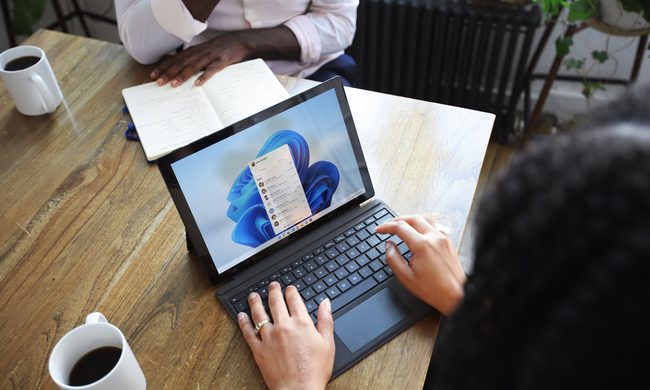
Person sitting and using an HP computer with Windows 11.
Microsoft

Microsoft is finally turning its attention to one of Windows 11’s most persistent complaints: performance, especially on lower-end machines. As part of its commitment to Windows quality, the company says it’s working to reduce resource usage, improve responsiveness, and optimize memory efficiency across the OS. The goal is simple: make Windows feel faster and more reliable, even on modest hardware. And that last part matters more than ever.

Why is Microsoft focusing on memory now?

The fact of the matter is that the industry is changing, and Windows risks falling behind. Over the past couple of years, Apple has shown that 8GB of RAM can actually be enough for everyday tasks on devices like the M1 MacBook Air and the recent MacBook Neo, thanks to aggressive optimization and unified memory architecture. In fact, according to Tom’s Guide’s testing, macOS can use significantly less RAM than Windows for the same workload.

Meanwhile, Windows laptops have traditionally relied on brute force, like more RAM, more background caching, and more processes, to maintain performance. That approach is starting to crack, especially as RAM prices rise and manufacturers look to ship more affordable machines. If Windows 11 can’t run smoothly on 8GB systems, it risks making budget laptops feel outdated before they even ship.

What is Microsoft actually changing in Windows 11?

At a system level, Microsoft is trying to make Windows less “heavy.” The company says it is reducing the baseline memory footprint of Windows, freeing up more RAM for apps and improving overall responsiveness. This should also help with faster app launches, smoother navigation, and better performance in everyday tasks like file browsing.

There are also improvements coming to core components like File Explorer, which will see faster load times, smoother navigation, and more reliable file operations, all part of a broader push to make Windows feel snappier. Microsoft is also planning to reduce latency in everyday interactions, including the Start menu, by moving more core parts of Windows to WinUI 3, which should make the interface feel more responsive.

Recommended Videos

Whether this is enough to truly match Apple’s level of optimization is still up in the air. But if Microsoft nails it, we could be looking at a new wave of affordable Windows laptops that don’t feel like a compromise, and finally give those 8GB MacBooks some real competition.

Varun Mirchandani
Varun is an experienced technology journalist and editor with over eight years in consumer tech media. His work spans…
Microsoft is fixing a Windows 11 search issue that has probably troubled you a dozen times
Bing might finally stop showing up before your local files in Windows Search
A man sits, using a laptop running the Windows 11 operating system.

Windows 11 has plenty of annoyances baked into the operating system, but I've often found Search to be among the most frustrating. You use it to find an installed app or a file saved somewhere on your PC, and Windows appears to show the right result.

Then you click it, and Microsoft Edge opens a Bing search page instead. It is a small issue, but it makes Windows Search unreliable for basic local searches. Now, in the latest insider experimental build, Microsoft seems to be addressing this issue.

Read more
AI is turbocharging “wizards” on 4Chan who take orders to nudify images of women
A new ISD analysis and WIRED reporting show how 4chan users request, produce, praise, and spread nonconsensual AI nudes of women
photo editing

4chan has become a staging ground for AI image abuse, with anonymous users asking editors to turn ordinary photos of women into synthetic sexual images without consent.

The Institute for Strategic Dialogue reviewed 7,616 English-language posts from December 2025 to March 2026 and found that 2,927 included language tied to nudification or image manipulation. WIRED adds the human detail, describing a request-and-reward culture where people making the fakes are treated as skilled operators.

Read more
AMD’s Ryzen AI Max 400 chip offers 192GB of memory, but getting your hands on one is another story
AMD's most memory-dense x86 chip ever arrives at the worst possible moment for DRAM supply.
Ryzen AI Max 400

AMD announced the Ryzen AI Max 400 series, and the headline number is genuinely staggering: 192GB of unified memory in a chip small enough to fit inside a mini PC. 

Not much has changed from the last generation chip, but even so, if you’re all for running large AI models locally, the AI Max 400 is definitely worth checking out. 

Read more