  1. Home
  2. Computing
  3. News

With no plans for merging operating systems, Apple opts to combine apps instead

Add as a preferred source on Google
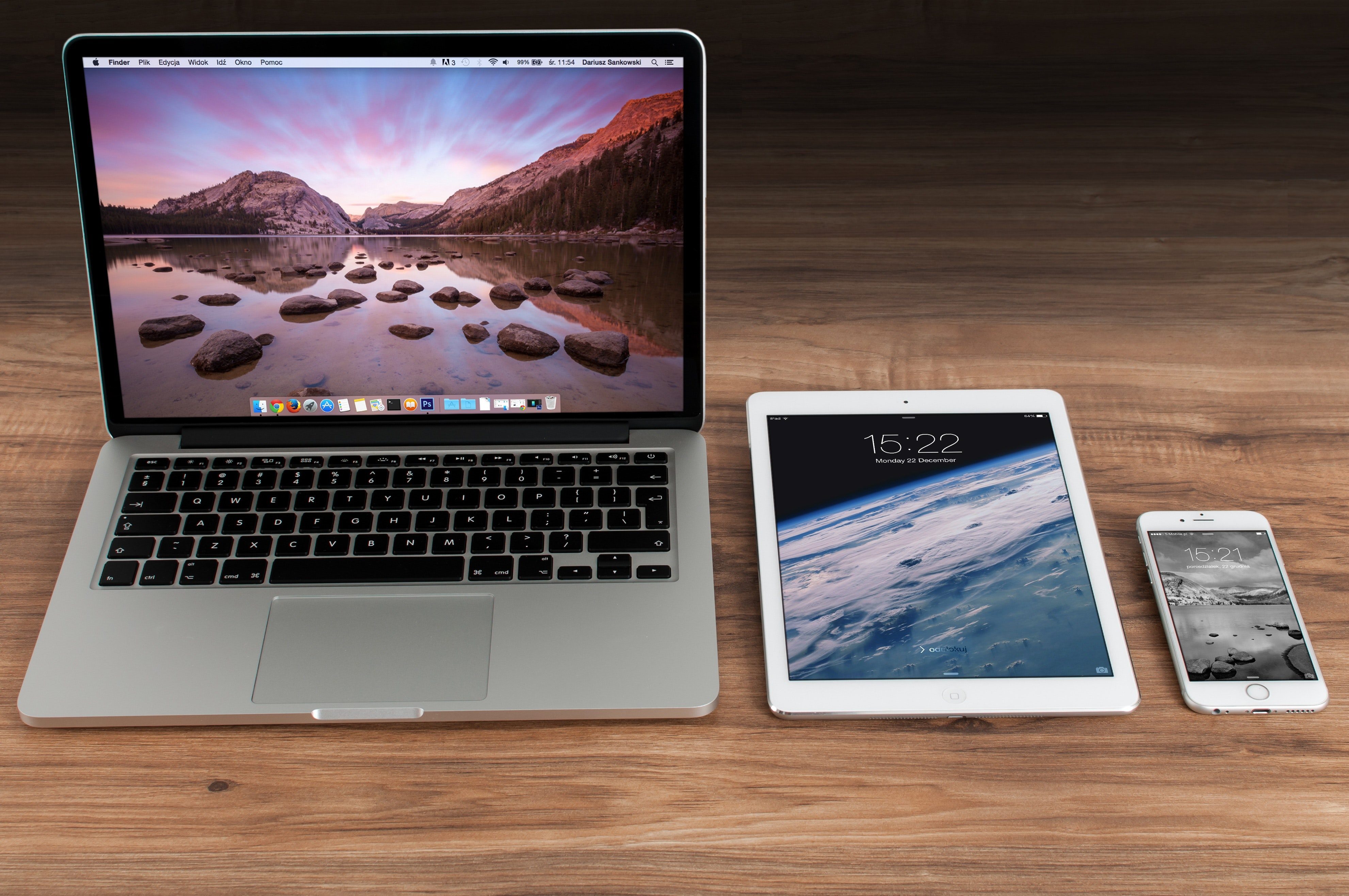
Apple products stock photo
FirmBee/Pixabay.com/Pexels

App developers hoping to create the next big, must-have app for Apple product users will soon find it a bit easier to do so.

According to a recent report by Bloomberg, Apple is working toward combining apps built for its iPhones, Macs, and iPads in an effort to stimulate the development of new apps and services.

Recommended Videos

Codenamed “Marzipan,” Apple’s multi-platform app integration initiative is expected to be completed by 2021 and will begin as early as June 2019 with the debut of a new software development kit (SDK).

With the release of the new SDK, app developers should be able to submit iOS and Mac versions of their apps to their respective app stores without having to rewrite the code for each version. The release of the SDK is expected during Apple’s annual Worldwide Developers Conference.

Apple also plans to expand the SDK in 2020, to allow for the conversion of iPhone apps into Mac-ready apps.

By 2021, the Marzipan initiative is projected to finally do away with separate app store submissions completely. Instead Apple will opt to allow developers to simply merge their separate iPhone/iPad/Mac app versions into a single app that will be compatible with all three Apple devices. This merged app will be referred to as a “single binary.”

It is worth mentioning, however, that though Apple plans to combine its apps, the technology company has already emphatically stated, as reported by CNET, that it will not merge the iOS and MacOS operating systems.

As The Verge notes, even though Apple isn’t going as far as what Microsoft tried to accomplish with its Universal Windows Platform initiative, Apple’s Marzipan endeavor still looks similar to Microsoft’s universal apps, even without trying to merge its own divergent operating systems.

The intent to create streamlined single-version apps for multiple devices is where the similarities end between the two companies’ apps-based initiatives.

In fact, while Microsoft’s universal apps seem doomed to obscurity, Apple’s Marzipan initiative might succeed where the Universal Windows apps have seemingly failed, mostly because Apple has a successful flagship smartphone with a devoted following, while Microsoft still struggles in the smartphone market.

Anita George
Anita George has been writing for Digital Trends' Computing section since 2018. So for almost six years, Anita has written…
How to find archived emails in Gmail and return them to your inbox
Archived emails in Gmail are easier to find than you think—once you know where Google hides them
Gmail icon on a screen.

If you’re looking to clean up your Gmail inbox, but you don’t want to delete anything permanently, then choosing the archive option is your best bet. Whenever you archive an email, it is removed from your inbox folder while still remaining accessible. Here’s how to access any emails you have archived previously, as well as how to move such messages back to your regular inbox for fast access.

Read more
Gemini Live gets a minimalist app redesign that lets you do more
Gemini Live just got easier and faster to use
google-gemini

Google is testing a new redesign for its Gemini Live experience on Android, aiming to make interactions with its AI assistant more seamless and less intrusive. According to a 9To5Google report, the update moves away from the current full-screen interface and instead integrates Gemini Live directly into the main app view, signalling a shift toward a more practical, everyday usage model.

A Shift Away From Fullscreen AI

Read more
AI’s chip hunger could keep memory prices painfully high for years
Memory shortages may haunt your next phone, laptop, and GPU for years
Crucial Memory and SSD

While recent reports claimed that memory prices may not fall till 2027, it seems like the memory chip crunch isn't a short-term headache. And that's bad news for anyone hoping phone, laptop, and GPU prices will get cheaper again soon.

Reuters reports that SK Group chairman Chey Tae-won said the global chip wafer shortage is likely to last until 2030, with artificial intelligence demand continuing to outpace the supply. Chey said the current shortage could remain above 20%, largely because AI systems require huge amounts of high-bandwidth memory and therefore burn through a lot of wafers.

Read more