  1. Home
  2. Computing
  3. News

Digital Trends may earn a commission when you buy through links on our site. Why trust us?

Apple’s next wave of Macs might keep you waiting for longer, and you can thank AI for that

Supply chain pressure hits Apple’s upcoming lineup.

Add as a preferred source on Google
macbook
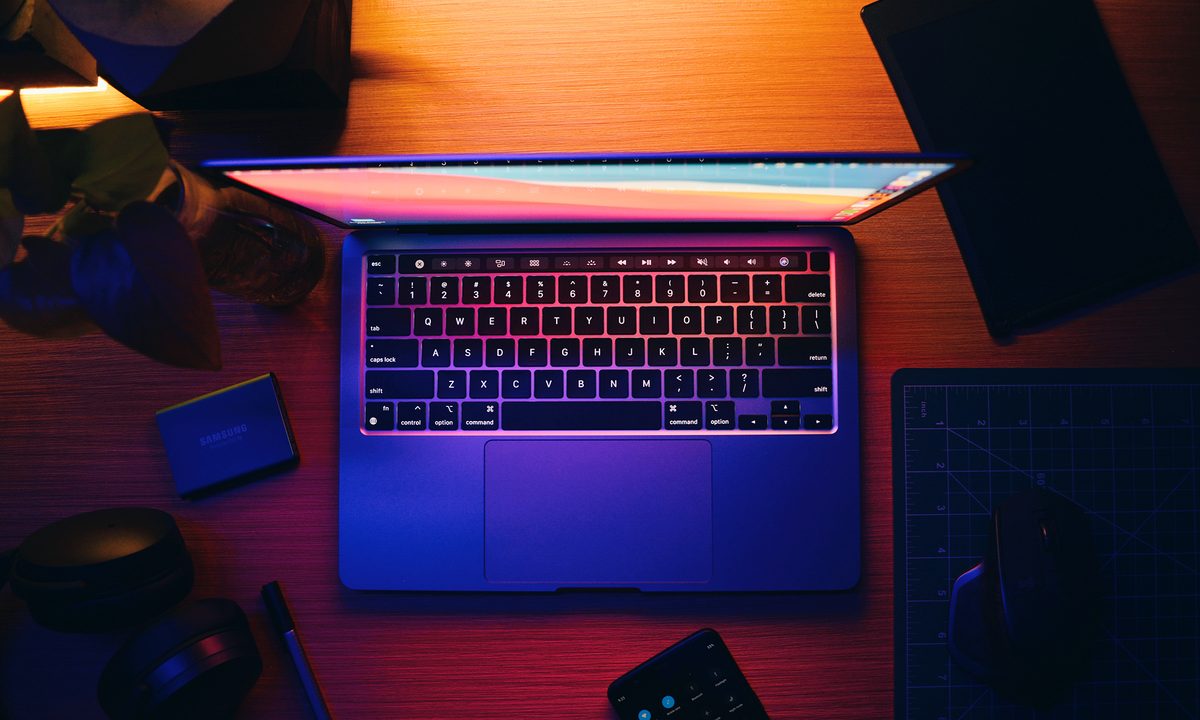
Karthikeya GS / Unsplash

Having recently launched the MacBook Neo as well as the M5 MacBook Air, Apple’s next-gen Macs were supposed to ride the company’s recent momentum. But now, there’s a new roadblock. And surprisingly, it’s not design, chips, or software. It’s memory. And yes, AI is a big reason why.

Apple’s next Macs might be delayed

According to Mark Gurman at Bloomberg, industry-wide memory shortages could push back Apple’s upcoming Mac launches, including the next-gen Mac Studio and a redesigned touch-screen MacBook Pro. The Mac Studio refresh, which was originally expected around mid-2026, may now be delayed until as late as October.

The situation isn’t just theoretical either. Apple is already seeing delays with its current memory-heavy machines, which makes launching even more demanding next-gen hardware a tricky move. Internally, there’s concern that releasing new Macs without a stable supply could lead to limited availability right out of the gate, which is something Apple typically tries hard to avoid.

The reason is simple: current memory-heavy models are already facing shipment delays, and newer machines with even higher requirements are getting caught in the same bottleneck. And this is where AI enters the picture. The industry’s massive push toward AI workloads, such as data centers, GPUs, and high-performance computing, has created a surge in demand for advanced memory. That demand is now squeezing supply across the board, including consumer devices like Macs.

This isn’t just an Apple problem, though

Zoom out, and this isn’t Apple dropping the ball. It’s a supply chain getting stretched thin. AI servers and enterprise hardware are gobbling up high-bandwidth memory, leaving less room for everything else. For Apple, the timing is particularly awkward. The Mac business has been gaining traction again, and the last thing the company wants is to delay major upgrades due to component shortages. But at the same time, launching with constrained supply is arguably worse.
The bigger picture here is pretty clear. AI isn’t just changing software, but it’s reshaping hardware priorities, too.

Varun Mirchandani
Varun is an experienced technology journalist and editor with over eight years in consumer tech media. His work spans…
Asus reveals ROG Strix XG129C, a tiny secondary monitor chasing Elgato’s gamer lunch
The secondary display category has been waiting for a product that combines a proper screen, real color accuracy, and gaming ecosystem integration in one tidy package.
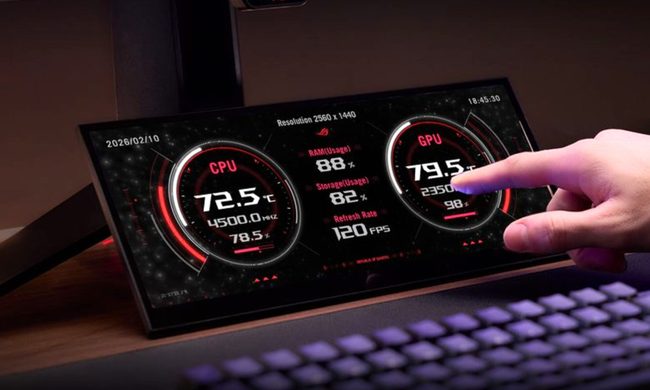
Strix XG129C secondary display.

If you’ve ever wished your work desk had a dedicated screen for reviewing your system’s performance, chat windows, or streaming controls, so that you don’t have to disturb your main monitor, Asus has heard you. 

The ROG Strix XG129C is a 12.3-inch secondary display with a touchscreen, designed to sit beneath your primary monitor and handle everything that could be a distraction on your main screen, and it costs $199. 

Read more
Intel’s turnaround is one for the ages, without having much to show for it
Wall Street is betting big on Intel before the results arrive
Logo

Intel’s comeback has become one of the market’s biggest surprises. Its stock has risen nearly 490% over the past year, pushing the company back into record territory and reviving confidence in a chipmaker many had written off.

The problem is that Intel still has little product success to justify that excitement.

Read more
Apple’s Continuity features are so good, they make Windows and Android feel incomplete
Android and Windows try, but Apple's ecosystem is on a whole different level.
Mac iPad iPhone with blurred background

Windows and Android platforms have been trying to catch up to Apple's ecosystem. And honestly, in some areas, they have succeeded. But replicating a feature here and there is very different from pulling off what Apple has built. The seamless, almost invisible way all of Apple's devices work together is genuinely hard to replicate.

Apple calls these Continuity features. You can use these features to seamlessly transition from one device to another, unlock devices without entering passwords, transfer files, and much more. 

Read more