  1. Home
  2. Computing
  3. News

As Apple pushes AI in software, the RAM crisis caught up and your gadgets are feeling old

iOS 27 shows where Apple’s AI roadmap is heading, and why 8GB devices are already losing ground.

Add as a preferred source on Google
Computer, Electronics, Tablet Computer
Apple

Apple’s next big AI divide is starting to look less like a software cutoff and more like a memory cutoff. The iOS 27 requirements for Apple’s strongest on-device AI model suggest some devices built for Apple Intelligence won’t run the most capable version locally.

That puts iPhone 17 Pro and iPhone Air in a different class from older Apple Intelligence-ready hardware. Apple has trained buyers to expect long device lifespans, but AI is making the spec sheet harder to ignore again, especially if you’ve been treating RAM as a background detail.

Why is RAM suddenly the dividing line

The key detail is memory. Apple’s strongest on-device AI model for iOS 27 needs at least 12GB of RAM on supported iPads and Macs, with iPhone 17 Pro and iPhone Air named for iPhone support.
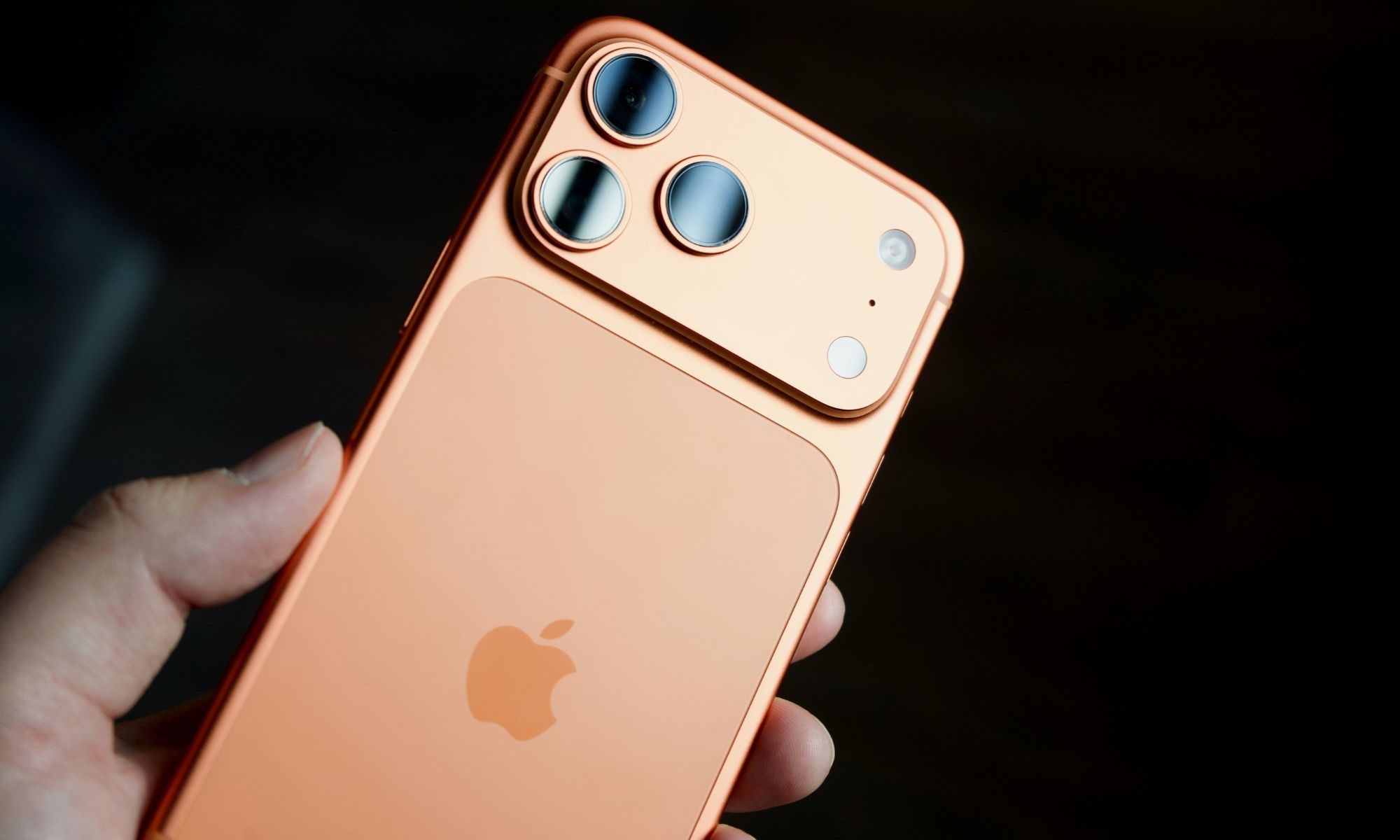
That leaves many current Apple Intelligence devices in an awkward middle ground. An 8GB device may still get plenty of AI features, but the heaviest local model could sit outside its reach.

Recommended Videos

For users, the upgrade math changes fast. Processor speed still counts, but RAM is becoming the quieter spec that helps decide whether a device feels ready for Apple’s next AI wave.

What happens when AI moves local

A device can support Apple Intelligence and still miss the best on-device model. That gap shapes the experience, since local processing is tied to the speed, privacy, and hardware-first feel Apple has emphasized around AI.

Private Cloud Compute gives Apple a way to support more devices without putting every task on the device itself. Still, it creates a practical split between what runs on your gadget and what needs help from Apple’s servers.
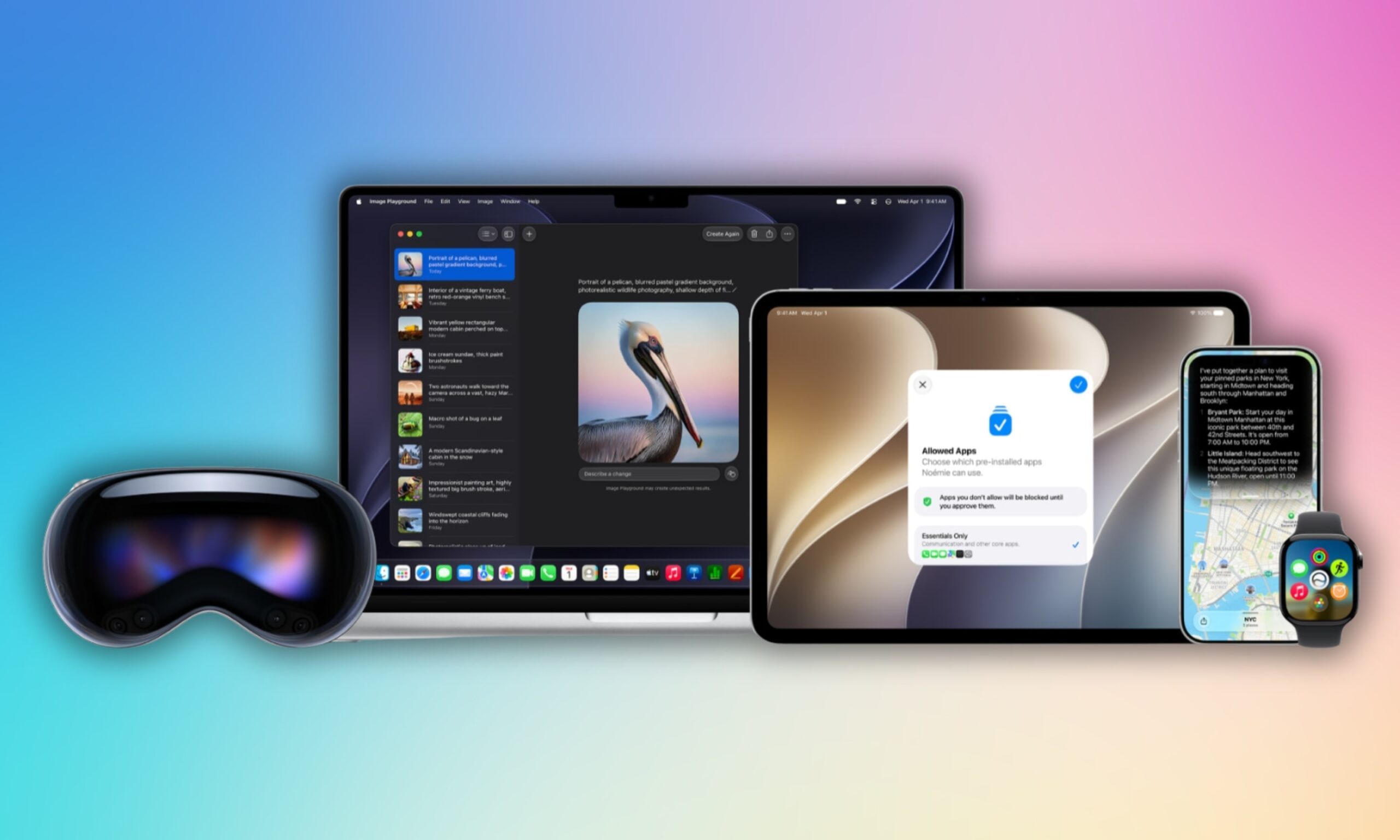
That’s where 8GB devices start to feel older than their age. They won’t suddenly become useless, but they may stop feeling like the safest bet for whatever Apple adds next.

Why should your next upgrade depend on memory

The practical takeaway is straightforward. If Apple’s AI roadmap matters to you, RAM deserves more attention than it used to.

You’ll want to treat memory as a long-term AI spec, not just a multitasking spec. That means checking RAM alongside chip generation, especially on iPad and Mac, and watching whether more iPhones move beyond 8GB by default.

The next devices Apple ships with more memory will say a lot about where iPhone, iPad, and Mac AI is headed. For now, Apple Intelligence support alone doesn’t tell you the whole story.


Paulo Vargas
Paulo Vargas is an English major turned reporter turned technical writer, with a career that has always circled back to…
Claude’s Sonnet 5 is built to do more on its own and cost you less
Better than its predecessor, nearly as good as the flagship, and meaningfully cheaper than both.
Art, Floral Design, Graphics

Every major AI lab is racing to prove its models can work autonomously with minimal hand-holding; we’re now seeing pricing emerge as the next battleground. 

Anthropic just fired its latest shot, Claude Sonnet 5, a model the company says performs nearly as well as its flagship Opus 4.8 at a fraction of the cost.

Read more
Apple Creator Studio adds AI tools across Final Cut Pro, Logic Pro and Pixelmator Pro
Final Cut Pro gets AI captions, Auto Mask and better Pixelmator Pro workflows in Creator Studio update
Computer Hardware, Electronics, Hardware

Apple has introduced a major update to Apple Creator Studio, adding new AI features, deeper Pixelmator Pro integration, and workflow upgrades across Final Cut Pro, Logic Pro, Keynote, Pages, Numbers, Motion, Compressor, Freeform, and Final Cut Camera.

The update makes Creator Studio more useful across Mac, iPad, and iPhone, especially for people who move between video editing, image editing, presentations, documents, spreadsheets, and music production.

Read more
AI browsers like Perplexity Comet can be tricked into spilling your password through BioShocking exploit
Six AI browsers were found leaking saved passwords and many of them haven't fixed it yet.
MacBook Air in hand, Comet browser loaded—let’s see what Perplexity’s AI can really do

Security researchers just found a strange way to trick AI browsers into handing over your passwords. They managed to trick AI browser agents into exposing sensitive data like saved passwords, session cookies, and private tokens by disguising the theft as part of a harmless "game."

The technique is called BioShocking, named after the popular video game BioShock, where a brainwashed character is manipulated into believing a false reality. Once an AI browser falls for the same trick, it stops following its own safety rules entirely.

Read more