  1. Home
  2. Computing
  3. Legacy Archives

Asus PQ321 31.5-inch 4K monitor available for pre-order for the low, low price of $3,500

Add as a preferred source on Google
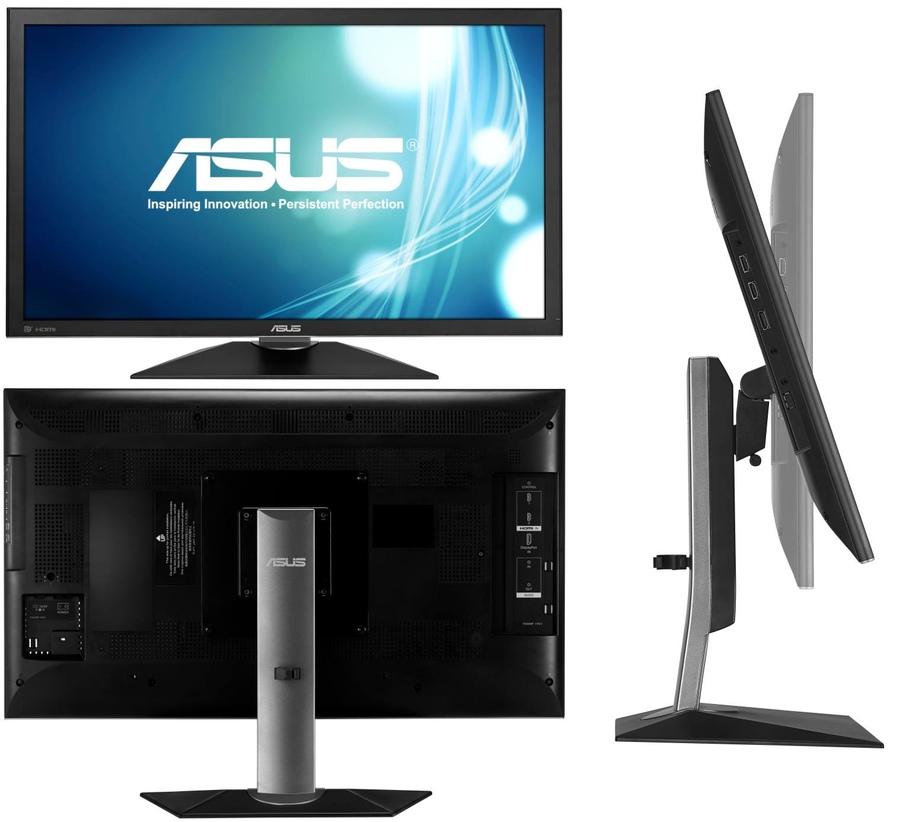
AsusPQ321Monitor3ViewLarge
Image used with permission by copyright holder

You may recall seeing a crazy-high resolution Asus-branded PQ321 monitor unveiled at CES 2013. The 31.5-inch monitor’s 4K resolution offers some amazingly crisp, smooth, colorful, and clear images, and this technology is poised to take off in the near future. There are already some television manufacturers (Sony and Sharp) that are peddling 4K resolution big screens to the general public, and we did see an interesting 4K tablet pop up via Panasonic.

Unfortunately, it may be some time before we see products, software, and designs that use 4K resolution to its full capacity. But if you’re one of those early adopters who just has to have the latest tech or is jumping for joy at the prospect of 4K capabilities, you’ll be happy to know that the Asus PQ321 is finally available for pre-order. This news is coming from a variety of retail websites, including Newegg, Amazon, and Tiger Direct. According to both Amazon and Newegg, the Asus PQ321 should begin shipping on July 16.

Recommended Videos

For anyone who’s unfamiliar, the basic stats for the PQ321 includes a 176-degree wide viewing angle (tiltable up and down), a 4K resolution of 3840 x 2160, and a specialized Indium Gallium Zinc Oxide (IGZO) display. The only downside for this unit so far is the rather hefty price tag. If you want to get your hands on this device, it’ll set you back around $3,500.

The Asus PQ321 is one of the first major steps in what may become the “4K resolution standard,” and while most of the focus has been pointed towards televisions, it will be interesting to see if more computer manufacturers begin to adapt towards what seems like a new and exciting turn in the future of visual technology.

Russ Boswell
Former Digital Trends Contributor
Russ Boswell is an aspiring video game and technology journalist from Colorado. He's been an avid gamer since he was old…
Microsoft Edge is about to get more frequent updates, but don’t expect more features
Starting with Edge 152 on August 27, Microsoft is cutting its release cycle in half, with smaller but more frequent updates for Stable channel users.
Microsoft Edge illustration official

Microsoft is accelerating updates to its Edge browser, switching from a monthly release schedule to a biweekly one. The change takes effect with Edge 152, due on August 27, and puts the browser on the same cadence as Google Chrome.

More updates, not more features

Read more
What makes a laptop good for both work and entertainment?
Computer, Electronics, Laptop

This post is brought to you in paid partnership with HP.

The HP OmniBook X Flip is designed as an all‑day AI PC that adapts seamlessly from productivity to entertainment without switching devices.

Read more
Your Windows 11 PC can now natively run AI workloads, even if it lacks the Copilot+ badge
Windows 11 laptop on a table

For the better part of a year, Microsoft has been telling us that the future of AI on Windows belongs to Copilot+ PCs. If you wanted Microsoft’s most advanced local AI features, you needed a machine with a dedicated Neural Processing Unit (NPU). That was the deal. Now, Microsoft appears to be rewriting the rules.

According to updated documentation, Windows 11’s local Language Model APIs can now run on non-Copilot+ PCs, provided they have an Nvidia GeForce RTX 30-series GPU (or newer) with at least 6GB of VRAM. On the surface, this sounds like a developer-focused update. In reality, it could be one of the most significant shifts in Microsoft’s AI PC strategy since Copilot+ PCs launched last year. More importantly, it raises a question that has been lingering ever since the AI PC era began: Did we really need NPUs for all of this in the first place?

Read more